Hamza Sajjad
Introduction: Why Certain Human Foods Are Dangerous for Pugs
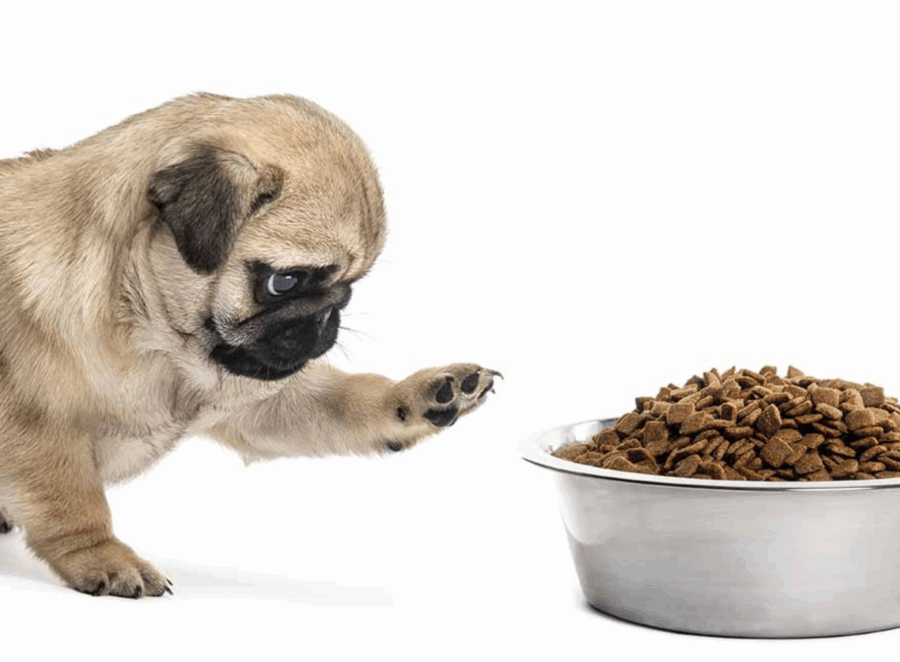
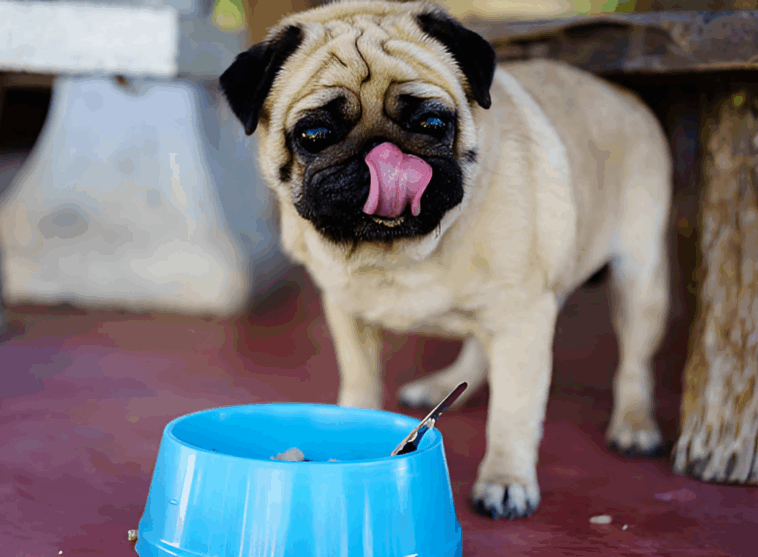
Pugs are adorable, affectionate, and curious dogs, but their unique physiology makes them particularly vulnerable to certain human foods. Their compact size, brachycephalic (flat-faced) structure, and sensitive digestive systems mean that even small amounts of toxic foods can cause severe health issues—ranging from gastrointestinal distress to life-threatening poisoning.
As a responsible pug owner, knowing which foods to avoid is crucial for your pet’s well-being. This comprehensive guide covers every toxic food for pugs, the science behind their dangers, symptoms of poisoning, and emergency actions to take. By the end, you’ll be fully equipped to protect your pug from accidental ingestion of harmful foods.
Chocolate: A Deadly Treat for Pugs
Why Is Chocolate Toxic?
Chocolate contains theobromine and caffeine, two methylxanthines that pugs cannot metabolize efficiently. Dark chocolate and baking chocolate are the most dangerous due to their high concentration of these compounds.
Symptoms of Chocolate Poisoning
-
Vomiting & diarrhea
-
Rapid breathing & increased heart rate
-
Seizures & muscle tremors
-
Death (in severe cases)
What to Do If Your Pug Eats Chocolate?
-
Induce vomiting (only if instructed by a vet).
-
Activated charcoal may help absorb toxins.
-
Rush to the vet immediately—delays can be fatal.
Grapes & Raisins: Kidney Failure Risk
Why Are Grapes and Raisins Toxic?
The exact toxin is unknown, but even small amounts can cause acute kidney failure in pugs.
Symptoms of Grape/Raisin Toxicity
-
Lethargy & weakness
-
Loss of appetite
-
Decreased urination (sign of kidney damage)
Emergency Response
-
Do NOT wait for symptoms—seek vet help immediately.
-
IV fluids may be required to prevent kidney shutdown.
Xylitol: The Silent Killer in Sugar-Free Products
Where Is Xylitol Found?
-
Sugar-free gum & candies
-
Peanut butter (check labels!)
-
Baked goods & toothpaste
Why Is Xylitol Deadly?
Xylitol triggers a massive insulin release, leading to hypoglycemia (low blood sugar) and liver failure.
Symptoms of Xylitol Poisoning
-
Weakness & collapse
-
Seizures
-
Jaundice (yellow gums/eyes)
Action Steps
-
Rush to an emergency vet—time is critical.
-
Monitor blood sugar levels to prevent coma.
Onions & Garlic: Hidden Dangers in Human Food
Why Are Allium Plants Toxic?
Onions, garlic, leeks, and chives contain thiosulfates, which destroy red blood cells, leading to hemolytic anemia.
Symptoms of Onion/Garlic Toxicity
-
Pale gums
-
Weakness & rapid breathing
-
Dark urine (blood breakdown)
Treatment Protocol
-
Blood transfusion may be needed in severe cases.
-
Avoid any foods containing onion/garlic powder.
Alcohol: Extremely Dangerous for Pugs
Why Is Alcohol Harmful?
Pugs’ small bodies cannot process alcohol, leading to respiratory failure, coma, or death.
Symptoms of Alcohol Poisoning
-
Disorientation & vomiting
-
Seizures
-
Slow breathing
Emergency Measures
-
Never induce vomiting (risk of aspiration).
-
Immediate vet care is mandatory.
Avocado: A Surprising Threat
Why Is Avocado Risky?
-
Persin (a fungicidal toxin) can cause heart issues.
-
Pit hazard: Choking or intestinal blockage.
Symptoms of Avocado Toxicity
-
Diarrhea & vomiting
-
Difficulty breathing (in severe cases)
Prevention Tip
-
Keep guacamole & avocado away from your pug.
Caffeine: More Dangerous Than You Think
Sources of Caffeine
-
Coffee grounds
-
Tea bags
-
Energy drinks
Why Is Caffeine Lethal?
Stimulates the nervous system, leading to cardiac arrest.
Emergency Action
-
Vet intervention is necessary immediately.
Macadamia Nuts: A Lesser-Known Toxin
Why Are Macadamia Nuts Toxic?
Causes muscle weakness, tremors, and hyperthermia.
Symptoms
-
Inability to walk
-
Swollen limbs
Treatment
-
Supportive care (IV fluids, pain management).
Bones & Fat Trimmings: Hidden Risks
Why Are Cooked Bones Dangerous?
-
Splintering risk: Can puncture intestines.
-
Pancreatitis: High-fat foods cause inflammation.
Safe Alternatives
-
Raw bones (supervised only).
-
Vet-approved chew toys.
Final Thoughts: Keeping Your Pug Safe
Pugs are prone to obesity and digestive issues, so feeding them a balanced, vet-approved diet is essential. Always check ingredient labels, avoid table scraps, and educate family members about toxic foods.
Key Takeaways:
Chocolate, grapes, xylitol, onions, alcohol, and caffeine are TOP dangers.
Symptoms appear rapidly—act fast!
Prevention is better than cure—keep harmful foods out of reach.
By following this guide, you’ll ensure your pug stays happy, healthy, and safe from toxic human foods.