Hamza Sajjad
Why Do Pugs Bark Excessively?
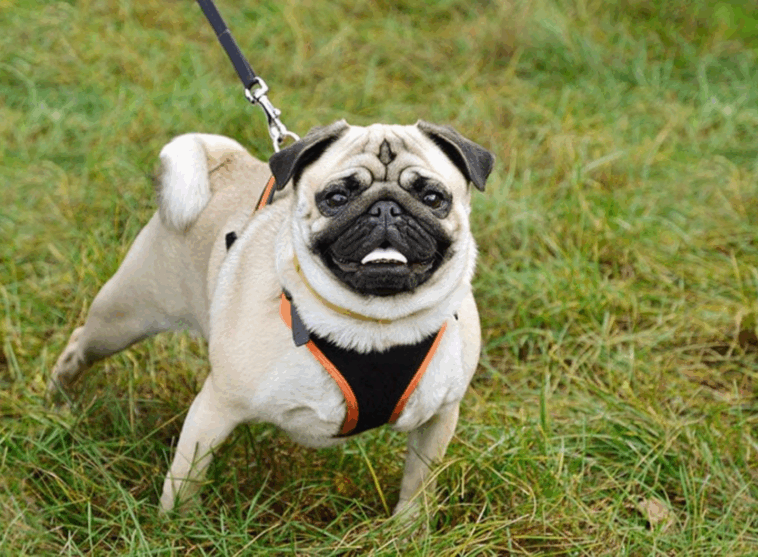
Before fixing the problem, you must understand why your Pug barks so much. Common triggers include:
Attention-Seeking Behavior
Pugs are social dogs and may bark to get your attention, especially if they feel ignored.
Boredom & Lack of Stimulation
A bored Pug will bark to release pent-up energy. Without enough exercise or mental stimulation, they become restless.
Separation Anxiety
Pugs form strong bonds with owners. If left alone for long periods, they may bark due to stress.
Territorial Barking
Pugs are naturally alert and may bark at strangers, other animals, or unusual noises.
Fear or Stress
Loud noises (thunder, fireworks), new environments, or unfamiliar people can trigger fearful barking.
Medical Issues
Pain, hearing loss, or cognitive decline (common in senior Pugs) can increase vocalization.
Pro Tip: Observe when and why your Pug barks to tailor the right solution.
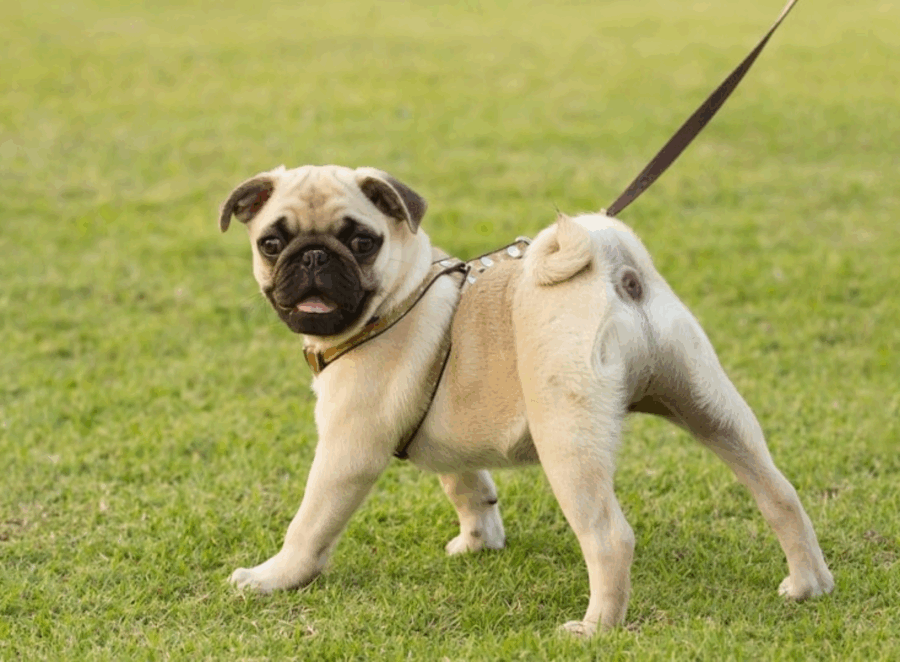
How to Stop Your Pug from Barking: 7 Proven Methods
1. Remove the Trigger (If Possible)
-
If your Pug barks at passersby, close curtains or move them to a quieter room.
-
For doorbell barking, train them to stay calm using desensitization techniques.
2. Teach the “Quiet” Command
-
Wait for your Pug to bark.
-
Say “Quiet” in a firm (but calm) tone.
-
When they stop barking, reward immediately with a treat.
-
Repeat until they associate silence with rewards.
Pro Tip: Use a clicker for faster reinforcement.
3. Provide Enough Exercise & Mental Stimulation
-
Daily walks (20-30 mins) to burn energy.
-
Interactive toys (puzzle feeders, chew toys) to keep them occupied.
-
Training sessions (5-10 mins daily) to engage their mind.
4. Ignore Attention-Seeking Barking
-
If your Pug barks for attention, do not look, talk, or touch them.
-
Reward only when they’re quiet to reinforce good behavior.
5. Use Positive Reinforcement Training
-
Reward silence with treats, praise, or playtime.
-
Avoid yelling—it can worsen anxiety and barking.
6. Address Separation Anxiety
-
Gradually increase alone time (start with 5 mins, then extend).
-
Leave comfort items (a worn shirt, calming toys).
-
Consider doggy daycare or a pet sitter if needed.
7. Consult a Vet or Trainer
-
If barking persists, rule out medical issues.
-
A professional dog trainer can help with severe cases.
What NOT to Do When Training Your Pug to Stop Barking
Don’t yell – It reinforces barking as a way to communicate.
Avoid shock collars – They cause fear and worsen anxiety.
Don’t punish after the fact – Dogs don’t understand delayed discipline.
Final Thoughts: Consistency is Key
Stopping excessive barking in Pugs requires patience, consistency, and positive reinforcement. By identifying the root cause and applying the right training methods, you can significantly reduce your Pug’s barking in just a few weeks.
Need faster results? Try combining exercise, mental stimulation, and the “Quiet” command for the best outcome.
FAQs About Pug Barking
Q: Do Pugs bark a lot compared to other breeds?
A: Pugs bark moderately, but their stubbornness can make it seem excessive if not trained early.
Q: Can a bark collar stop my Pug from barking?
A: Not recommended—positive reinforcement works better without causing stress.
Q: How long does it take to train a Pug to stop barking?
A: With daily training, you may see improvement in 2-4 weeks.
Take Action Today!
Follow these steps, stay consistent, and your Pug will become quieter and happier. Share this guide if you found it helpful, and let us know your progress in the comments!
🔹 Want more Pug training tips? Subscribe for exclusive dog behavior guides!