Hamza Sajjad
Introduction: Why Socializing Your Pug Puppy is Crucial
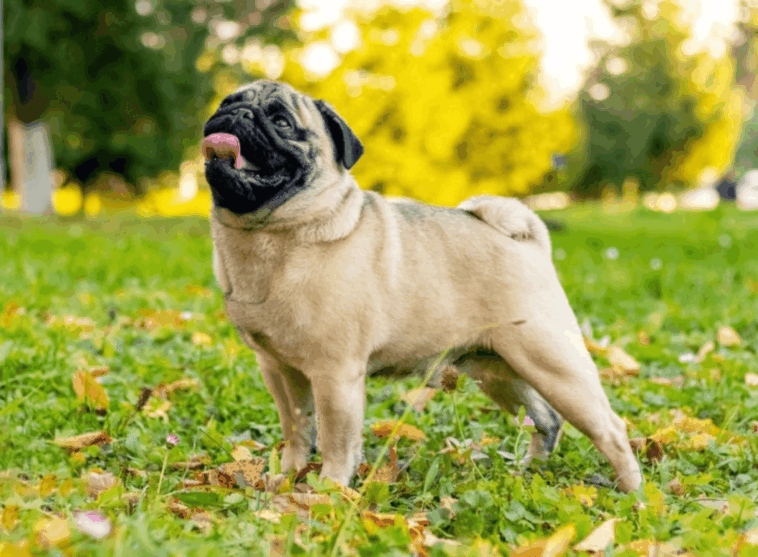
Socializing a Pug puppy is one of the most important steps in ensuring they grow into a confident, friendly, and well-behaved adult dog. Pugs, known for their affectionate and playful nature, thrive on human interaction but can develop anxiety or aggression if not properly socialized. This comprehensive guide covers every aspect of Pug puppy socialization, from early exposure to advanced training techniques, ensuring your furry friend becomes a happy, well-adjusted companion.
Understanding Puppy Socialization: The Critical Window
What is the Socialization Period?
Puppies have a critical socialization window between 3 to 14 weeks of age. During this time, they are most receptive to new experiences, people, and environments. Missing this window can lead to fearfulness, aggression, or anxiety in adulthood.
Why Pugs Need Extra Socialization
-
Brachycephalic (flat-faced) breeds like Pugs can be more sensitive to stress.
-
Their people-oriented nature means they crave interaction but can develop separation anxiety if not properly exposed to different situations.
Step-by-Step Guide to Socializing Your Pug Puppy
Early Exposure (3-12 Weeks)
Introduce New People
-
-
Let your Pug link up men, women, children, and chief in Direct settings.
-
Reward calm behavior with treats and praise.
Encourage Positive Encounters with Other Dogs
-
Arrange playdates with vaccinated, friendly dogs.
-
Avoid dog parks until full vaccination (around 16 weeks).
-
Expose to Different Environments
-
Take short trips to pet-friendly stores, parks, and busy streets.
-
Use a puppy carrier or stroller if they get overwhelmed.
-
-
-
Handling & Desensitization
-
Touch paws, ears, and mouth daily to prepare for grooming and vet visits.
-
Introduce brushes, nail clippers, and baths early to prevent fear.
-
Sound Desensitization
-
Play recordings of thunder, traffic, vacuums, and fireworks at low volumes, gradually increasing while rewarding calm behavior.
Advanced Socialization Techniques (4-6 Months)
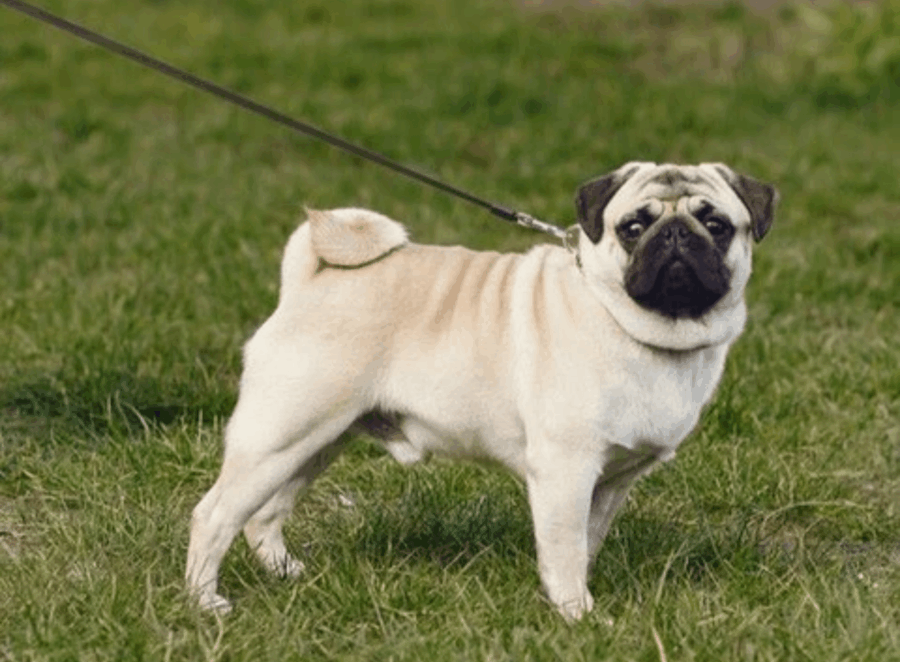
Leash Training & Public Outings
-
Practice walking in different terrains (grass, pavement, sand).
-
Visit outdoor cafes, farmers’ markets, and training classes.
Preventing Small Dog Syndrome
-
Pugs can develop “small dog syndrome” (barking, nipping, or dominance).
-
Avoid excessive coddling—reward only calm, polite behavior.
Obedience Training for Confidence
-
Teach basic commands (sit, stay, come) using positive reinforcement.
-
Enroll in puppy kindergarten for structured socialization.
Common Socialization Mistakes to Avoid
Delaying Socialization – Waiting too long increases fear responses.
Overwhelming Your Puppy – Flooding them with too much too soon can backfire.
Ignoring Negative Reactions – Always comfort and redirect fearful behavior.
Troubleshooting: What If My Pug Puppy is Fearful?
-
Slow Exposure Therapy: Gradually reintroduce triggers at a comfortable pace.
-
Consult a Trainer: If aggression or extreme fear persists, seek professional help.
Conclusion: A Well-Socialized Pug is a Happy Pug
Proper socialization ensures your Pug grows into a confident, friendly, and adaptable companion. By following this step-by-step guide, you’ll prevent behavioral issues and strengthen your bond. Start early, stay consistent, and make every experience positive!
Boost Your Pug’s Social Skills Today!
Share this guide with fellow Pug lovers and help raise well-adjusted, happy Pugs everywhere!