Hamza Sajjad
Introduction
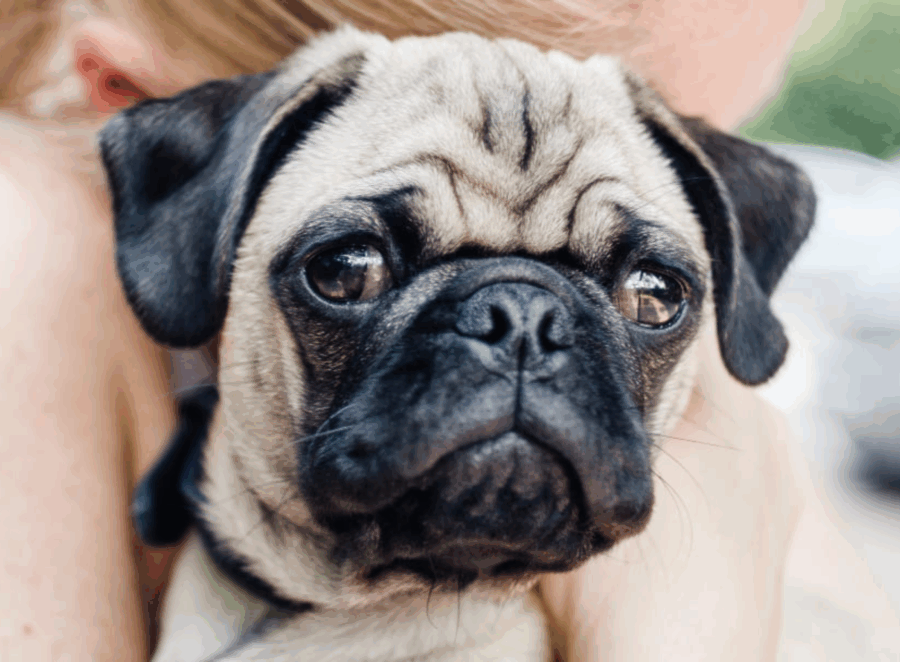
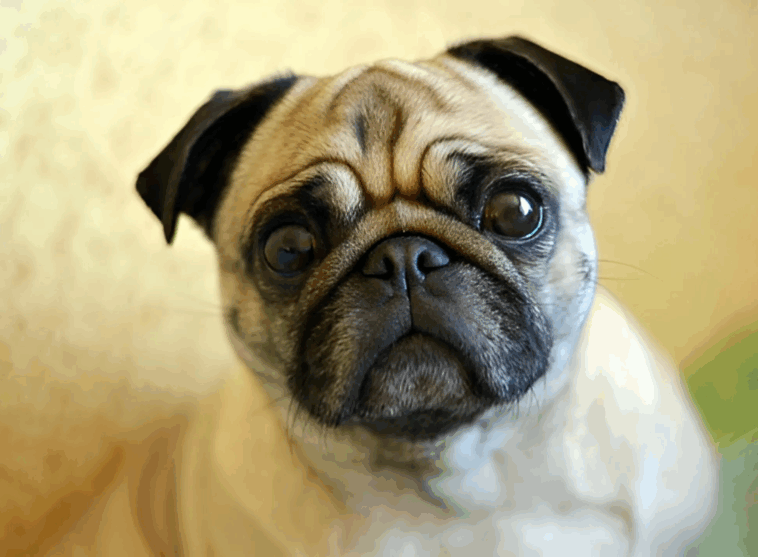
How to Know When Your Pug Is in Pain: Pugs are adorable, affectionate companions, but their unique physiology makes them prone to health issues that can cause discomfort or pain. Recognizing when your pug is in pain is crucial for their well-being, as they often hide their suffering due to their stoic nature. This comprehensive guide will help you identify subtle and overt signs of pain in your pug, understand potential causes, and take immediate action to ensure their comfort and health.
Why It’s Hard to Tell If a Pug Is in Pain
Pugs, like many dogs, have evolved to conceal pain—a survival instinct from their wild ancestors. Additionally, their expressive faces and playful demeanor can mask underlying discomfort. Owners must be vigilant and look for behavioral, physical, and vocal cues that indicate distress.
Common Causes of Pain in Pugs
Before identifying pain symptoms, it’s essential to understand what might be causing it:
-
Brachycephalic Syndrome – Breathing difficulties due to their flat faces.
-
Hip Dysplasia & Joint Issues – Common in pugs due to their compact build.
-
Intervertebral Disc Disease (IVDD) – Spinal issues leading to nerve pain.
-
Dental Problems – Overcrowded teeth and gum disease.
-
Eye Injuries – Protruding eyes (exophthalmos) make them prone to ulcers.
-
Skin Infections – Wrinkles can harbor bacteria, causing irritation.
-
Digestive Issues – Food allergies or bloating (GDV).
Signs Your Pug Is in Pain
1. Behavioral Changes
-
Lethargy & Reduced Activity – A usually energetic pug becoming sluggish.
-
Hiding or Avoiding Interaction – Seeking solitude when normally social.
-
Aggression or Irritability – Snapping when touched in painful areas.
-
Excessive Licking or Chewing – Focusing on a specific body part.
2. Physical Symptoms
-
Limping or Difficulty Moving – Indicates joint or muscle pain.
-
Changes in Posture – Hunched back (sign of abdominal or spinal pain).
-
Shallow or Labored Breathing – Common in brachycephalic pugs.
-
Weight Loss or Loss of Appetite – May signal chronic pain or illness.
3. Vocalizations
-
Whimpering, Whining, or Groaning – Unusual sounds when moving or resting.
-
Excessive Panting – Even when not hot or exercising.
4. Facial & Eye Indicators
-
Squinting or Red Eyes – Possible corneal ulcers or glaucoma.
-
Excessive Tearing or Discharge – Eye irritation or infection.
5. Changes in Grooming Habits
-
Matted Fur or Poor Coat Condition – Pain may prevent self-grooming.
-
Bad Breath or Drooling – Dental disease can cause severe discomfort
How to Help a Pug in Pain
1. Immediate Steps
-
Check for Visible Injuries – Swelling, cuts, or heat in joints.
-
Provide a Comfortable Resting Area – Soft bedding to ease joint pain.
-
Avoid Forcing Movement – Let them rest if they resist walking.
2. Veterinary Care
-
Schedule an Exam – Rule out fractures, infections, or organ issues.
-
Diagnostic Tests – X-rays, bloodwork, or ultrasounds if needed.
-
Pain Management – Vet may prescribe NSAIDs, opioids, or supplements.
3. Home Care & Prevention
-
Weight Management – Excess weight strains joints.
-
Joint Supplements – Glucosamine & chondroitin for arthritis.
-
Regular Dental Cleanings – Prevent periodontal disease.
-
Wrinkle Cleaning – Avoid skin infections with gentle wipes.
When to Seek Emergency Care
Some symptoms require urgent attention:
✔ Sudden Paralysis or Inability to Stand (IVDD risk)
✔ Bloated Abdomen with Retching (Sign of GDV—life-threatening)
✔ Non-stop Crying or Severe Agitation
✔ Seizures or Collapse
Final Thoughts: Being a Proactive Pug Owner
Pugs rely on their owners to detect pain early. By understanding their subtle cues and acting swiftly, you can prevent prolonged suffering and serious complications. Regular vet visits, a balanced diet, and attentive care will keep your pug happy and pain-free for years.