Hamza Sajjad

Introduction
Bringing a new pet into your home is exciting but introducing that new pet to your existing pug requires thoughtful planning, patience, and a deep understanding of dog behavior. If you’re wondering how to introduce a pug to a new pet, you’re in the right place. Pugs, known for their affectionate and sociable personalities, can bond well with other pets—but only if introductions are managed correctly.
In this detailed guide, we’ll cover step-by-step methods, common pitfalls, expert-backed strategies, and behavior cues that will help you create a smooth, stress-free introduction process. Whether your new pet is a dog, cat, or even a smaller animal like a rabbit, this guide will optimize your chances of a successful long-term relationship between your pug and their new companion.
Why It’s Crucial to Introduce a Pug to a New Pet the Right Way
Pugs are emotionally sensitive and often territorial. A poor introduction can lead to:
-
Long-term behavioral issues (like aggression or anxiety)
-
Regressive behaviors in your pug (potty accidents, barking, etc.)
-
Stress and trauma for the new pet
-
An unharmonious household
Proper introduction techniques protect the physical and emotional health of both animals and help establish the foundation for a loving, cohabitating relationship.
Step-by-Step Guide: How to Introduce a Pug to a New Pet
1. Understand Your Pug’s Personality and Triggers
Before making introductions, observe your pug’s:
-
Temperament: Is your pug calm or reactive?
-
Past interactions: Has your pug lived with other pets before?
-
Triggers: What causes barking, anxiety, or aggression?
Knowing these things in advance helps you anticipate problems and plan accordingly.
2. Prepare Your Home Environment
Create separate safe spaces for each animal. This allows both pets to:
-
Adjust to each other’s scent
-
Have a personal territory for comfort
-
Avoid immediate forced interactions
Use baby gates, crates, and pet barriers strategically to manage interactions gradually.
3. Scent and Scent Exchange
Pugs rely heavily on their sense of smell. Start the introduction process by exchanging bedding or toys between the pug and the new pet. Let them smell each other’s scent before they ever meet.
You can also:
-
Rub a cloth on the new pet and place it near your pug’s favorite resting area
-
Monitor how your pug reacts: calm sniffing = good, barking or marking = caution
4. The First Visual Introduction
Use a leashed, controlled setting for the first face-to-face meeting:
-
Keep your pug on a loose leash
-
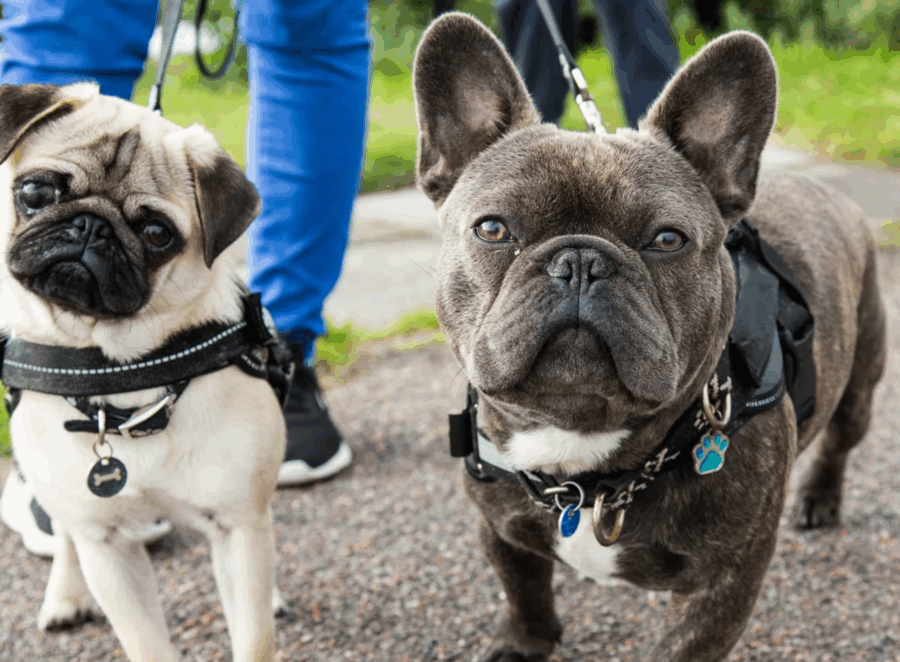
Have a helper handle the new pet (also on a leash, if it’s a dog)
-
Keep the meeting brief and neutral: 2–5 minutes at most
-
Use positive reinforcement (treats and praise) for calm behavior
Avoid forcing interaction. If either pet shows growling, lunging, or high stress, separate immediately and try again later with shorter exposure.
5. Gradual Increase in Contact Time
Over the next few days:
-
Increase visual contact duration
-
Allow sniffing through a gate or playpen
-
Begin parallel walks (if the new pet is a dog)
Monitor body language closely:
-
Relaxed tail, soft eyes = good
-
Raised hackles, rigid posture = warning signs
6. Off-Leash Interaction (Supervised Only)
Once both pets show relaxed behavior:
-
Allow off-leash time in a neutral area
-
Keep sessions short and supervised
-
Have treats ready to reinforce calm behavior
For pug-cat introductions:
-
Ensure the cat has escape options and vertical spaces
-
Never force physical contact; let curiosity build slowly
7. Establishing Long-Term Harmony
Once initial introductions are successful:
-
Feed pets in separate spaces to avoid resource guarding
-
Provide individual attention to avoid jealousy
-
Maintain consistent routines to reduce stress
Don’t leave them alone together unsupervised until you’re 100% confident in their behavior.

Introducing a Pug to Specific Types of Pets
Instigate a Pug to Another Dog
-
Match energy levels. A high-energy breed might overwhelm a pug.
-
Watch for dominance signals. Pugs are small but confident.
-
Use parallel walks and shared play to build companionship.
Introducing a Pug to a Cat
-
Pugs are naturally curious, not predatory.
-
Ensure your pug doesn’t chase.
-
Use tall perches to give the cat control of space.
Introducing a Pug to a Small Animal
-
Supervise all interactions closely.
-
Keep the pug leashed until calm behavior is consistent.
-
Never allow rough play or barking around small pets.
Common Mistakes to Avoid When Introducing a Pug to a New Pet
-
Skipping scent introduction: This step is vital for a pug’s comfort.
-
Rushing the timeline: It may take days to weeks for full integration.
-
Neglecting training: A pug with no basic obedience will be harder to control.
-
Ignoring stress signs: Shaking, pacing, or hiding indicate your pug is overwhelmed.
Final Thoughts: Your Pug’s Comfort Comes First
When learning how to introduce a pug to a new pet, remember that every pug is different. While many will adapt quickly, some need extra time, reassurance, and structure.
Always go at your pug’s pace, stay observant, and prioritize emotional safety over speed. The goal isn’t just cohabitation—it’s building a loving inter-species bond that will last for years.
FAQ: How to Introduce a Pug to a New Pet
Q: How long does it take for a pug to accept a new pet?
A: It varies. Some pugs adapt within days; others may take weeks. Watch for relaxed body language and signs of acceptance.
Q: Can pugs live peacefully with cats?
A: Yes, most pugs do well with cats if introduced gradually and respectfully.
Q: What if my pug becomes aggressive?
A: Separate immediately. Consult a certified dog trainer or behaviorist for professional help.