Hamza Sajjad
Introduction
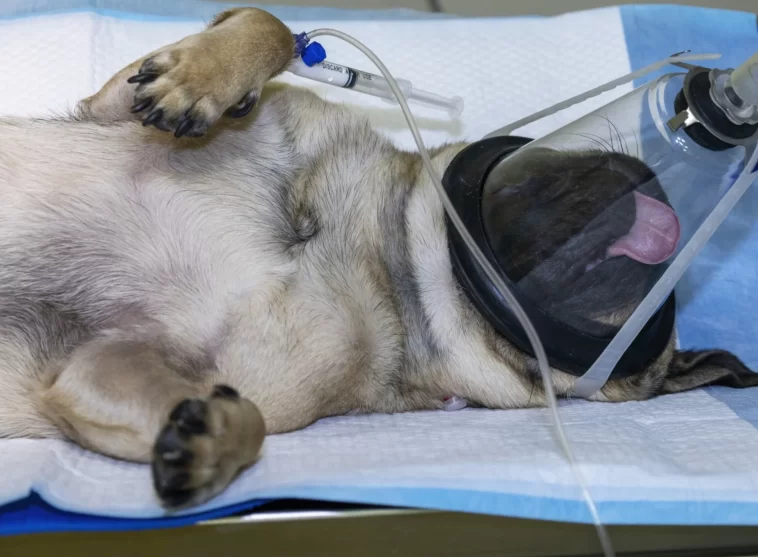
If your pug has recently undergone surgery, you’re likely feeling a mix of relief and concern. Post-operative care is crucial for ensuring a smooth recovery and preventing complications. Pugs, with their unique brachycephalic (flat-faced) anatomy, require extra attention after surgery due to their susceptibility to breathing difficulties, infections, and mobility issues.
This comprehensive guide covers every aspect of post-surgery pug care, from pain management and wound care to diet adjustments and emotional support. By following these expert-backed steps, you can speed up your pug’s recovery and help them return to their playful selves as quickly as possible.
Immediate Post-Surgery Care (First 24-48 Hours)
A. Monitoring Vital Signs
After surgery, your pug may still be groggy from anesthesia. Watch for:
-
Breathing difficulties (common in pugs due to their short snouts)
-
Pale gums or excessive panting (signs of distress)
-
Vomiting or nausea (anesthesia side effects)
B. Keeping Them Comfortable
-
Provide a warm, quiet space away from noise and other pets.
-
Use a soft orthopedic bed to reduce pressure on joints.
-
Limit movement to prevent strain on stitches.
C. Hydration & Feeding
-
Offer small amounts of water to prevent dehydration.
-
Start with bland food (boiled chicken & rice) if vomiting occurs.
-
Follow vet-recommended feeding schedules if a special diet is prescribed.
Managing Pain & Discomfort
A. Administering Medications
-
Pain relievers (e.g., Carprofen, Gabapentin) as prescribed.
-
Antibiotics to prevent infection.
-
Anti-inflammatory drugs if swelling occurs.
⚠️ Never give human painkillers (e.g., Ibuprofen, Tylenol)—they are toxic to dogs.
B. Using Cold & Heat Therapy
-
Ice packs (wrapped in a towel) can reduce swelling in the first 48 hours.
-
Warm compresses help with muscle stiffness after the initial healing phase.
C. Recognizing Signs of Pain
-
Whining, restlessness, or aggression
-
Licking or biting at the incision site
-
Loss of appetite or lethargy
Wound Care & Preventing Infections
A. Keeping the Incision Clean
-
Check the wound daily for redness, swelling, or discharge.
-
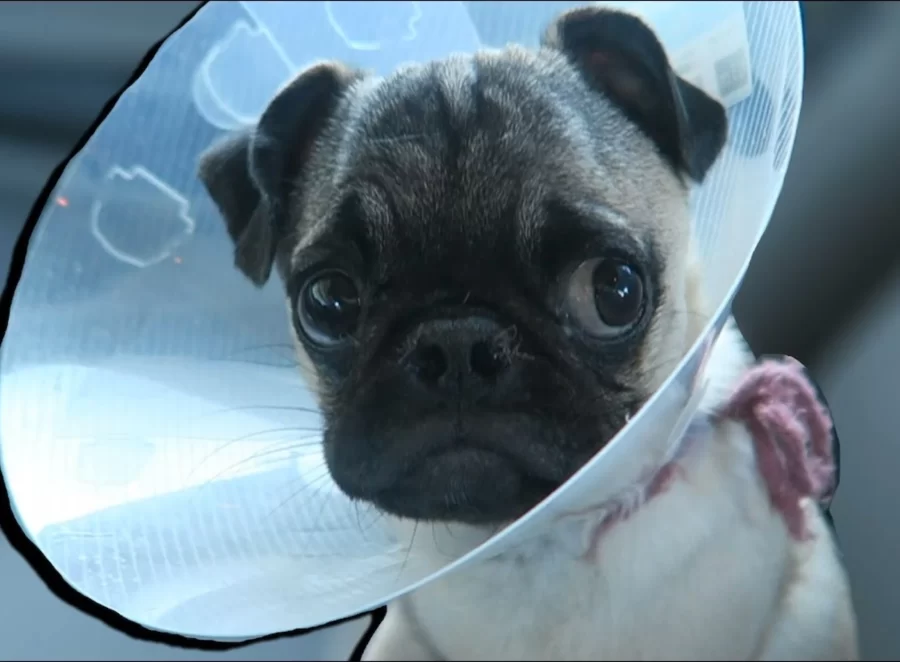
Use an Elizabethan collar (cone) to prevent licking/chewing.
-
Avoid baths until the vet approves (usually 10-14 days post-op).
B. Signs of Infection to Watch For
-
Pus or foul-smelling discharge
-
Excessive swelling or heat around the wound
-
Fever (normal temp: 101-102.5°F; above 103°F is dangerous)
C. When to Call the Vet
-
Sudden bleeding from the incision
-
Signs of severe pain or distress
-
Refusal to eat/drink for over 24 hours
Restricted Activity & Safe Mobility
A. Limiting Movement
-
No running, jumping, or stairs for at least 2 weeks.
-
Use a harness instead of a collar to avoid neck strain.
-
Short, supervised leash walks only (no off-leash play).
B. Helping Your Pug Move Comfortably
-
Lift them gently when needed (especially after orthopedic surgery).
-
Provide non-slip mats to prevent falls on slippery floors.
-
Consider a doggy stroller for outdoor stimulation without exertion.
Nutrition for Faster Healing
A. Best Post-Surgery Foods
-
High-protein diet (lean meats, eggs) for tissue repair.
-
Omega-3 fatty acids (fish oil) to reduce inflammation.
-
Probiotics to support digestion if antibiotics are given.
B. Foods to Avoid
-
Fatty or spicy foods (can upset the stomach).
-
Hard treats (risk of choking if still drowsy).
-
Excessive carbs (can lead to weight gain during inactivity).
C. Hydration Tips
-
Add low-sodium broth to encourage drinking.
-
Use a shallow water bowl for easier access.
Emotional Support & Mental Stimulation
A. Reducing Anxiety
-
Stay nearby to reassure your pug.
-
Use calming aids (Adaptil diffusers, anxiety wraps).
-
Soft music or white noise can help with relaxation.
B. Keeping Their Mind Active
-
Puzzle toys with soft treats (to prevent boredom).
-
Gentle training exercises (if approved by the vet).
-
Short, positive interactions to lift their spirits.
Follow-Up Vet Visits & Long-Term Care
-
Schedule a 7-10 day post-op checkup for stitch removal (if needed).
-
Ask about physical therapy for joint/muscle recovery.
-
Monitor weight to prevent obesity during reduced activity.
Final Thoughts: Ensuring a Smooth Recovery
Helping your pug recover after surgery requires patience, vigilance, and lots of love. By following these detailed care steps, you can minimize complications and speed up healing. Remember, every pug heals at their own pace—stay in close contact with your vet and adjust care as needed.
Pro Tip: Document your pug’s recovery progress with photos and notes to share with your vet during follow-ups.