Hamza Sajjad
Introduction: Why Pug Breathing Problems Need Immediate Attention
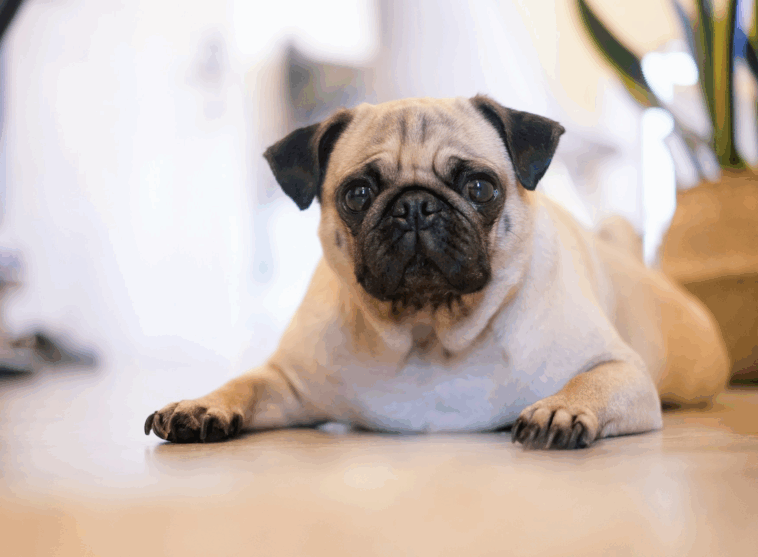
Pugs are adorable, affectionate companions, but their unique facial structure makes them prone to breathing difficulties. Their short noses (brachycephalic anatomy) often lead to Brachycephalic Obstructive Airway Syndrome (BOAS), causing labored breathing, snoring, and even life-threatening complications.
If your pug struggles to breathe, this comprehensive guide will provide proven solutions to enhance their respiratory health. From home remedies to veterinary treatments, we’ll cover every aspect to ensure your pug lives a happier, healthier life.
Understanding Why Pugs Struggle to Breathe
Brachycephalic Anatomy: The Root Cause
Pugs have shortened skulls, leading to:
-
Stenotic Nares (narrow nostrils)
-
Elongated Soft Palate (blocking the airway)
-
Hypoplastic Trachea (narrow windpipe)
These structural issues restrict airflow, making breathing harder—especially in hot or humid weather.
Common Breathing Problems in Pugs
-
BOAS (Brachycephalic Obstructive Airway Syndrome)
-
Reverse Sneezing (spasms due to irritation)
-
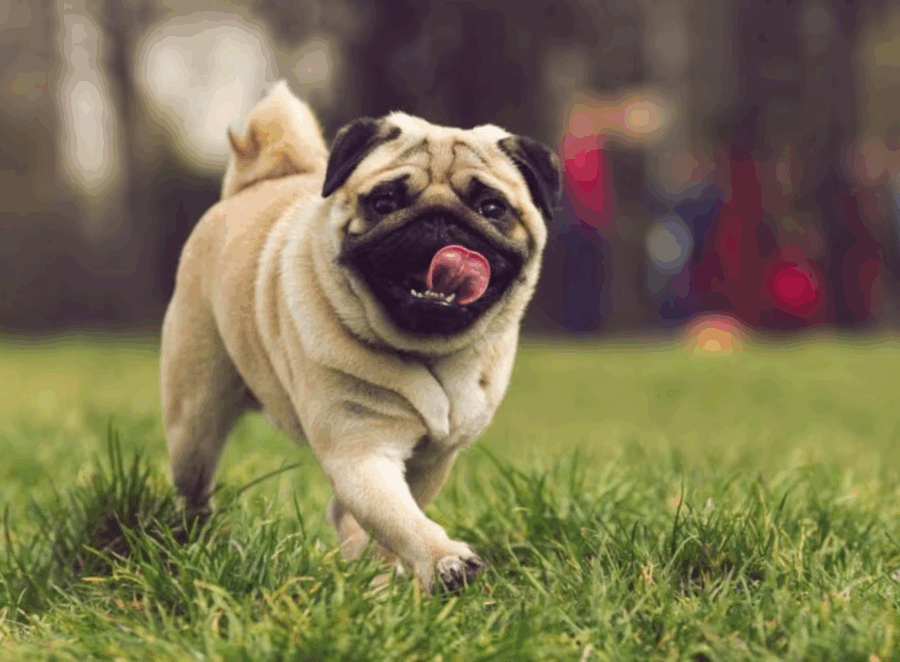
Heatstroke & Overheating (due to poor panting efficiency)
-
Sleep Apnea (pauses in breathing during sleep)
Recognizing these signs early can prevent severe complications.
How to Help Your Pug Breathe Better: 7 Proven Strategies
Maintain a Healthy Weight
Excess fat worsens breathing by putting pressure on the airway.
-
Feed a balanced, portion-controlled diet.
-
Avoid high-calorie treats; opt for low-fat snacks.
-
Regular weigh-ins at the vet.
Use a Harness Instead of a Collar
Collars press on the trachea, making breathing harder. A no-pull harness reduces throat pressure.
Keep Your Pug Cool & Hydrated
Pugs overheat quickly due to inefficient panting.
-
Always provide fresh, cool water.
-
Avoid walks in peak heat (early morning/late evening best).
-
Use cooling mats or air conditioning in summer.
Improve Air Quality at Home
-
Air purifiers reduce dust and allergens.
-
Avoid smoke, strong perfumes, or chemical fumes.
-
Humidifiers help if the air is too dry.
Elevate Their Sleeping Position
A slightly raised bed (with head support) helps open airways and reduces snoring.
Surgical Options for Severe Cases
If your pug has severe BOAS, consult a vet about:
-
Stenotic Nares Surgery (widening nostrils)
-
Soft Palate Resection (shortening the palate)
-
Laryngeal Saccules Removal (if tissue blocks airflow)
Regular Vet Checkups & Breathing Exercises
-
Annual vet visits to monitor respiratory health.
-
Gentle exercise (short walks, swimming) to strengthen lungs.
-
Avoid strenuous play that causes heavy panting.
Emergency Signs: When to Rush to the Vet
Seek immediate veterinary care if your pug shows:
-
Blue or purple gums (lack of oxygen)
-
Extreme wheezing or gasping
-
Collapsing or fainting
-
Excessive drooling with distress
These could indicate respiratory failure—a life-threatening emergency.
Long-Term Care for a Pug with Breathing Issues
-
Avoid stress & overexcitement (triggers heavy breathing).
-
Monitor for allergies (pollen, dust mites).
-
Consider pet insurance for potential surgeries.
Final Thoughts: A Breath of Fresh Air for Your Pug
Helping your pug breathe better requires proactive care, lifestyle adjustments, and veterinary support. By following these steps, you can significantly improve their quality of life and prevent dangerous complications.