Hamza Sajjad
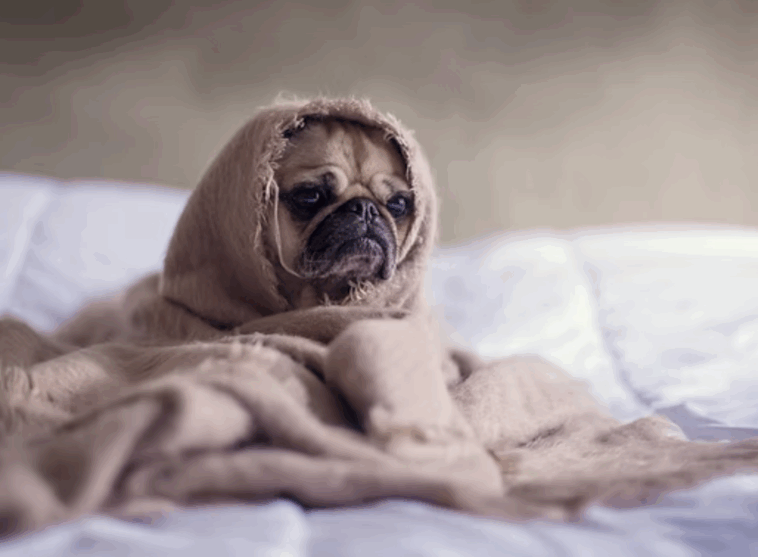
Introduction: Understanding Pug Separation Anxiety
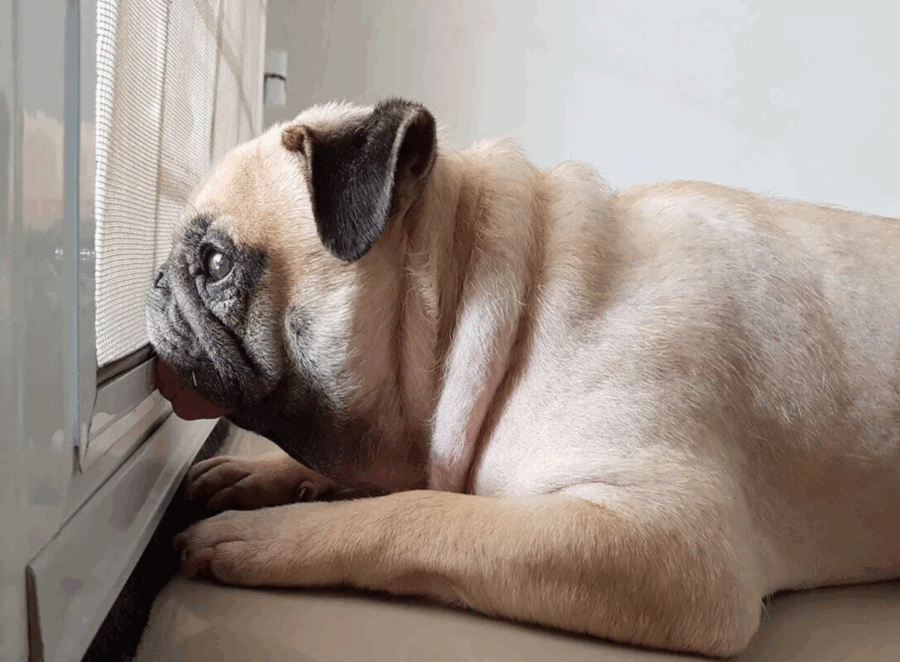
Pugs are affectionate, loyal, and highly social dogs that thrive on human companionship. However, their deep attachment to their owners can lead to severe separation anxiety when left alone. This condition can result in destructive behavior, excessive barking, and even health issues if not addressed properly.
In this comprehensive guide, we’ll explore the root causes of pug separation anxiety, proven strategies to manage it, and expert-backed solutions to ensure your pug stays calm and happy—even when you’re not around.
What Causes Separation Anxiety in Pugs?
Pugs are brachycephalic (short-nosed) dogs with a strong need for attention. Their anxiety stems from several factors:
-
Genetic Predisposition – Pugs were bred as companion dogs, making them prone to distress when alone.
-
Lack of Early Training – Puppies not acclimated to solitude may develop anxiety.
-
Sudden Routine Changes – Moving homes, a new work schedule, or losing a family member can trigger stress.
-
Past Trauma – Rescue pugs with abandonment history are more susceptible.
Signs Your Pug Has Separation Anxiety
-
Excessive barking or howling
-
Destructive chewing (doors, furniture, shoes)
-
Pacing or restlessness
-
House soiling (even if potty-trained)
-
Excessive drooling or panting
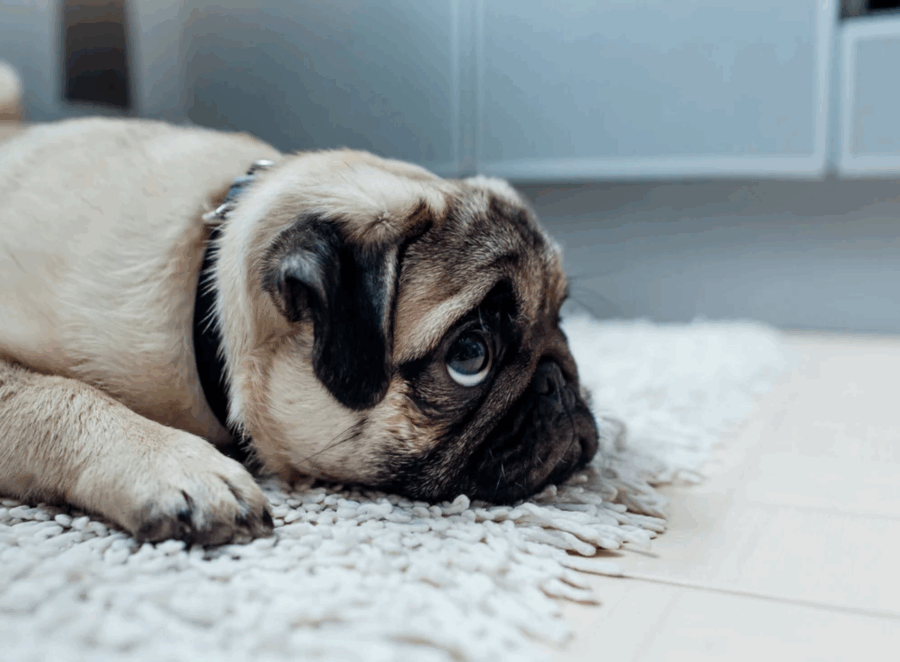
Proven Strategies to Manage Pug Separation Anxiety
1. Gradual Desensitization Training
The most effective long-term solution is systematic desensitization:
-
Start Small – Leave your pug alone for 5 minutes, then return before anxiety kicks in.
-
Increase Duration Slowly – Extend alone time in increments (10, 20, 30 minutes).
-
Use Positive Reinforcement – Reward calm behavior with treats and praise.
Pro Tip: Avoid emotional goodbyes—keep departures and arrivals low-key.
2. Create a Safe & Comfortable Space
-
Use a Crate or Playpen – A cozy den-like area can provide security.
-
Leave Familiar Scents – An unwashed shirt with your smell can soothe them.
-
White Noise or Calming Music – Soft background noise masks outside sounds.
3. Interactive Toys & Mental Stimulation
Boredom worsens anxiety. Keep your pug engaged with:
-
Puzzle Toys (Kong toys stuffed with peanut butter)
-
Chew Toys (Durable rubber toys to distract them)
-
Food Dispensers (Slows eating and provides entertainment)
4. Exercise & Routine
A tired pug is a calm pug. Ensure:
-
Daily Walks (At least 30 minutes)
-
Play Sessions (Fetch, tug-of-war)
-
Structured Routine (Feeding, walks, and alone time at consistent times)
5. Calming Aids & Supplements
For severe cases, consider:
-
Adaptil Diffusers (Mimics calming pheromones)
-
CBD Oil for Dogs (Reduces anxiety—consult a vet first)
-
Prescription Medication (For extreme cases, under veterinary guidance)
What NOT to Do When Dealing with Pug Separation Anxiety
Don’t Punish Your Pug – Yelling reinforces fear.
Avoid Long Goodbyes – Dramatic exits increase stress.
Don’t Leave Them Completely Isolated – Use pet cameras to check in.
When to Seek Professional Help
If your pug’s anxiety leads to:
-
Self-harm (excessive licking, scratching)
-
Refusal to eat
-
Extreme panic attacks
Consult a veterinarian or certified dog behaviorist for tailored solutions.
Final Thoughts: A Happy Pug is a Calm Pug
Managing pug separation anxiety requires patience, consistency, and love. By implementing gradual training, mental stimulation, and calming techniques, you can help your pug feel secure—even when you’re away.
Want More Pug Care Tips? Subscribe for expert advice on keeping your pug happy and anxiety-free!