Hamza Sajjad
Introduction: Understanding Your Picky Eater Pug
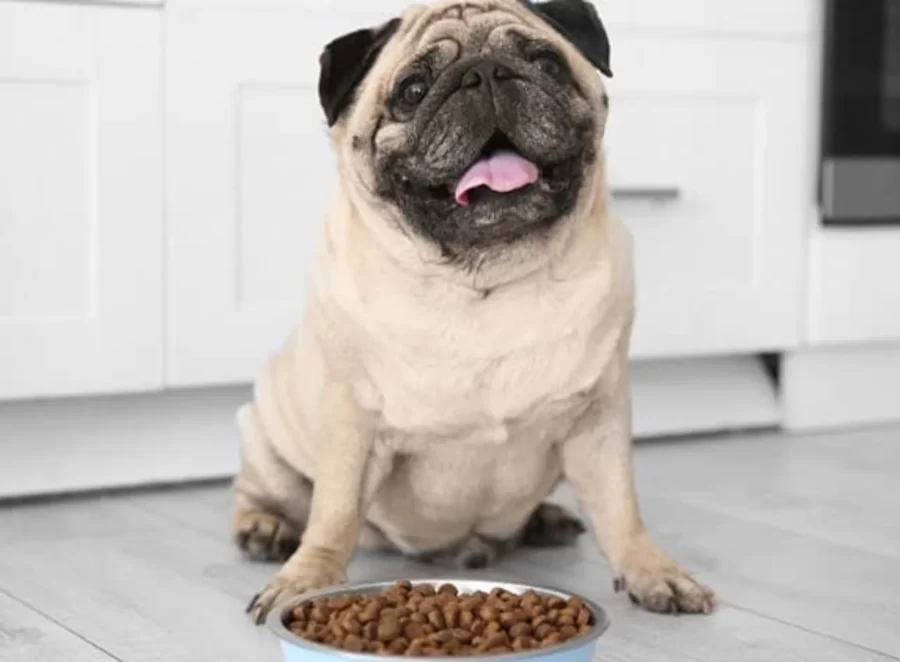
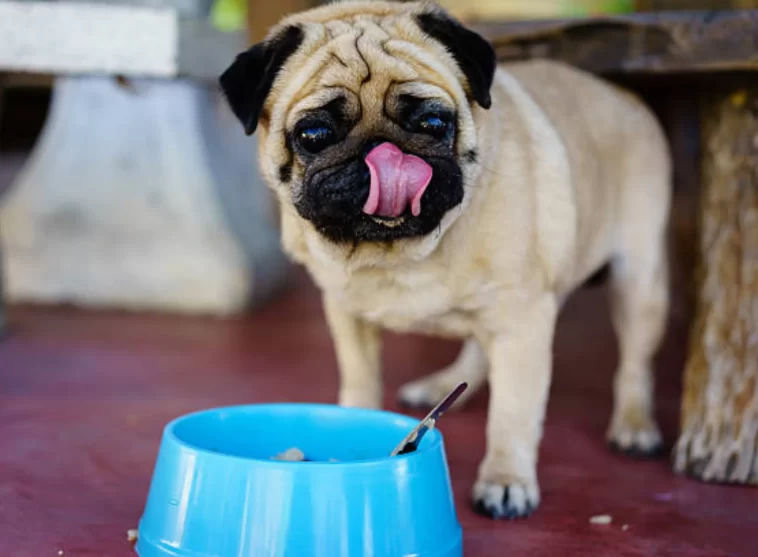
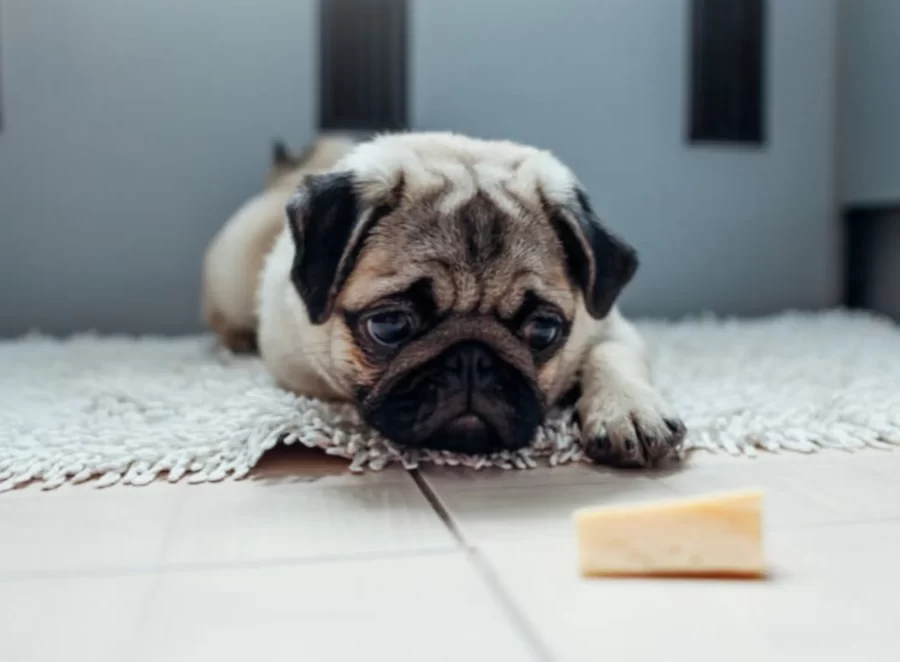
Pugs are adorable, affectionate, and full of personality but they can also be incredibly stubborn when it comes to food. If your pug turns up their nose at mealtime, you’re not alone. Many pug owners struggle with picky eating habits that can lead to nutritional deficiencies, weight loss, and frustration.
In this comprehensive guide, we’ll explore why pugs become picky eaters, how to encourage healthy eating habits, and proven strategies to make mealtime enjoyable for your furry friend. Whether your pug is a fussy puppy or a senior with changing tastes, these expert-backed tips will help you solve picky eating for good.
Why Is My Pug a Picky Eater? Common Causes
Before fixing the problem, it’s essential to understand why your pug refuses food. Here are the top reasons:
1. Breed-Specific Traits
Pugs are known for their strong-willed personalities and sensitive digestive systems. Their short snouts (brachycephalic structure) can make chewing difficult, leading to food aversion.
2. Health Issues
Underlying conditions like dental problems, allergies, or gastrointestinal disorders can cause loss of appetite. If your pug suddenly stops eating, consult a vet.
3. Spoiled by Treats & Human Food
If you frequently give table scraps or too many treats, your pug may hold out for “better” food instead of their kibble.
4. Boredom with the Same Food
Pugs, like humans, can get tired of eating the same meal daily. Rotating flavors and textures can help.
5. Stress & Environmental Factors
Changes in routine, new pets, or loud noises can make pugs anxious, reducing their appetite.
How to Handle a Picky Eater Pug: 10 Proven Solutions
1. Rule Out Medical Problems First
Before assuming it’s behavioral, schedule a vet checkup to rule out:
-
Dental pain
-
Digestive issues (e.g., acid reflux)
-
Parasites
2. Stick to a Feeding Schedule
Free-feeding (leaving food out all day) encourages pickiness. Instead:
-
Offer meals at fixed times (e.g., 8 AM and 6 PM)
-
Remove uneaten food after 20 minutes
This teaches your pug to eat when food is available.
3. Upgrade Their Food Quality
Low-quality kibble with fillers (corn, soy, artificial flavors) can turn pugs off. Switch to:
-
High-protein, grain-free options
-
Wet food or fresh-cooked meals (more enticing smells)
-
Limited-ingredient diets (for sensitive stomachs)
4. Add Food Toppers for Appeal
Enhance kibble with:
-
Warm bone broth (no onions!)
-
Pumpkin puree (digestive aid)
-
A sprinkle of grated cheese or boiled chicken
5. Use Puzzle Feeders & Slow Bowls
Pugs love mental stimulation. Interactive feeders make eating fun and prevent gulping.
6. Avoid Too Many Treats
Limit treats to 10% of daily calories and use them for training—not as meal replacements.
7. Try Hand-Feeding for Bonding
Some pugs respond well to hand-fed meals, strengthening trust and encouraging eating.
8. Warm Up Their Food
Heating wet food or kibble (with a splash of water) enhances aroma, making it more appealing.
9. Be Patient & Avoid Force-Feeding
Never force-feed or punish your pug—this increases stress. Stay calm and consistent.
10. Consider a Vet-Prescribed Appetite Stimulant
If all else fails, your vet may recommend safe appetite boosters like:
-
Cyproheptadine (for allergies)
-
Mirtazapine (for weight gain)
What NOT to Do with a Picky Pug
-
Don’t give in to begging—it reinforces picky behavior.
-
Avoid sudden diet changes—transition food gradually over 7-10 days.
-
Never skip vet checks—persistent refusal to eat could signal illness.
Final Thoughts: Winning the Picky Eater Battle
Dealing with a picky pug can be frustrating, but with patience, consistency, and the right strategies, you can help your dog develop better eating habits. Start by eliminating health concerns, then experiment with food upgrades, toppers, and feeding routines.
Remember—every pug is different. What works for one may not work for another, so stay adaptable. With time, your pug will learn to enjoy mealtime again!