Dr. Huzaifa Shayan (Veterinarian/ Deep Researcher)

The Calculation of Dog Healthy Weights.
A lot of dog owners do not notice that their pet is becoming over-weight until it is time to move slower, lacks strength, or a doctor swings into action & Got Dog’s Healthy Weight. Weight gain is progressive thus it is not easily noticed. However, one of the best things to do to enhance the lives of your dog is to keep it healthy in order to increase its lifelong, mobility and well being.
It is not a difficult task to determine the healthy weight of your dog, however, it does not mean you need to check some number on a scale. This guide will step-by-step show you how to calculate the steps used, validated by the vets, to find the optimal weight of your dog and some strategies to change its weight either way.
Why Your Dog’s Healthy Weight Matters
A minimal increase in weight can have huge consequences on the dogs. The additional weight burdens the joints and organs causing issues that include:
- Joint pain and arthritis
- Weakness and physical impairment.
- Breathing difficulty
- Increased risk of diabetes
- Heart strain
- Shorter lifespan
Healthy weight dogs will last longer and have fewer issues with their health as they age.
It is not to make a skinny dog; it is to make a powerful, energetic, and in-shape dog that is at ease with its movement.
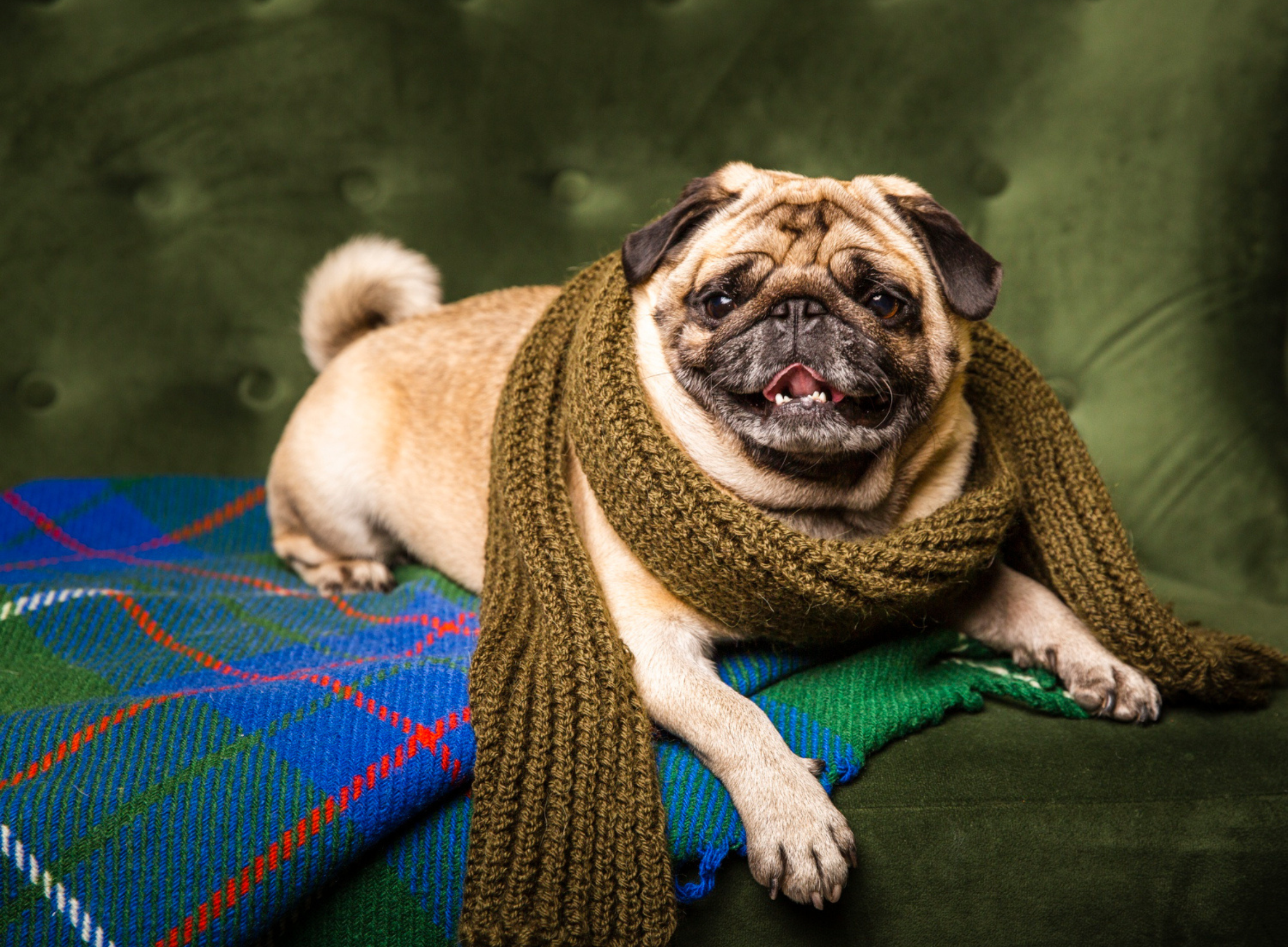
The first step is to start with Breed Standards.
To help provide an approximate situating of where your dog should be, breed weight ranges provide that.
Some of the popular breed ranges:
- Pug: 6–8 kg (14–18 lbs)
- Beagle: 9–14 kg (20–30 lbs)
- Labrador Retriever: 25–36 kg (55–80 lbs)
- German Shepherd: 23–41 kg (50–90 lbs)
Nevertheless, breed charts cannot be considered as reliable due to differences in:
- Height and bone size
- Muscle mass
- Gender
- Activity level
- Genetic background
Dogs of the same breed may be different in terms of their healthy weight. Body condition is more critical than breed charts help to create expectations.
Step 2: Body Condition score (BCS)
The Body Condition Score system is used to examine dogs by the veterinarians. This test is easy to conduct at home.
Typically the scale would be between 1 and 9:
- 1–3: Underweight
- 4–5: Ideal weight
- 6–7: Over-weight
- 8–9: Massive
Rib Check – Healthy Weight
Rub your hands on ribcage of dog.
- Ideal: Ribs do not need to be pressed hard to feel.
- Over-weight: The ribs are hard to palpate.
- Underweight: Ribs are prominent or sharp.
Waist Check (View from Above) – Healthy Weight
Look at your dog from above.
- Ideal Waist exposes rib cage.
- Over-weight: Body is either oval or straight.
- Underweight: Waist appears to be very slender.
Tummy Tuck (Side View) – Healthy Weight
Look at your dog from the side.
- Normal: Belly inclination towards the hind legs.
- Over-weight: Belly appears to be flat or hanging.
- Underweight: Belly stiffly curled upwards.
Thick coats do make a dog appear thinner than it actually is and therefore, always touch and not just look.
Step 3: weigh Your Dog in the Right Way.
The monitoring of weight allows the early identification of weight gain.
For Small Dogs – Healthy Weight
- Weigh yourself.
- Hold your dog and weigh again.
- Subtract your own weight.
For Large Dogs – Healthy Weight
Use scales at:
- Veterinary clinics
- Pet stores
- Grooming centers
- Maximum scale of homes where necessary.
Keep a monthly record of the weight of your dog. It is more crucial to observe trends than to read once.
Step 4: Estimate Ideal / Healthy Weight
In the case of an over-weight dog, you can determine the target weight of the healthy dog.
Approximate guide:
- BCS 6: About 10% over-weight
- BCS 7: About 20% over-weight
- BCS 8: About 30% over-weight
- BCS 9: 40% or more over-weight
Example:
In case your dog is 20% over-weight with the weight of 30 kg:
30 ÷ 1.20 = 25 kg estimated ideal weight
This gives the weight management a realistic objective.
Step 5: Muscle Condition Evaluation.
Also, muscle and not only fat is essential to healthy weight.
Check for:
- Strong hind legs
- Easy getting up from lying position.
- Easy walking and use of stairs.
- Normal activity levels
Senior dogs can lose muscle and gain fat thus exercising is also relevant even to older pets.
The activities that maintain good muscles involve:
- Daily walks
- Gentle uphill walking
- Swimming
- Fetch and active play
Step 6: Review Feeding Habits
Majority of dog weight issues begin with feeding habits as opposed to insufficient exercise.
Sources of common calories which are overlooked by their owners:
- Table scraps
- Frequent treats
- Extra food after begging
- Keeping food on throughout the day.
- Several family members taking snacks.
Even such little extras as a day are a whole meal in themselves. The improved feeding habits involve:
- Measuring food portions
- Feeding scheduled meals
- As training treats, make use of kibble.
- Consuming snacks that are low in calories such as carrots or cucumbers.
It is important that there is consistency, rather than strictness now and then.
Common Mistakes Owners Make – Healthy Weight
- Estimating the quantity of food rather than quantifying.
- Emotional rewards such as the use of treats.
- Denying the progressive weight gain.
- Cutting food too suddenly
- Routine inconsistency (in feeding).
- Daily habits though small result in weight problems in the long run.
Tricks to Healthy weight
- Divide meals into puzzle feeders in order to slow down the eating.
- Add brief additional walks as opposed to infrequent long walks.
- Playing in bad weather in a house.
- Track weight monthly.
- Raise or lower portions depending on age or change in activity of dogs.
- Little changes are made on a regular basis and this helps to avoid large issues in the future.
- Symptoms of your dog being higher weight.
Watch for:
- Fatigue during short walks
- Difficulty breathing following insignificant action.
- Stair climbing or jumping Problems with climbing up stairs or jumping.
- Loss of waist shape
- Less interest in playing
- Increased sleeping
Sometimes the activity levels decrease even before the weight gain occurs.
Frequently asked Questions (FAQs)
What is the frequency of weighing the dog?
Monthly weighing is effective on majority of dogs.
Is it possible to cut down on food at once?
Minimise as much as possible and maximise action.
Are there breeds which are likely to gain weight?
Yes. Labradors, Pugs, Beagles, Dachshunds and Cocker Spaniels tend to put on weight too easily.
Are fewer calories required by indoor dogs?
That is normally yes, because they do not consume as many calories.
Do dogs with the neuter operation gain weight easier?
The metabolism is frequently low and thus the portions of food might require a change.
Practical Reminder Style
The calculation of the healthy weight of your dog is not just using a scale. Condition of the body, level of activity, muscle tone and feeding habits are all contributory factors.
Key takeaways:
- Bodies Check body condition regularly.
- Monitor weight trends.
- Portions of food should be measured.
- Make lifestyle changes in regard to feeding.
- Encourage daily activity.
A dog with a healthy weight moves easily, is able to remain active longer and has a better life. One of the most significant and easy to maintain methods of ensuring that your dog has a healthy future is by keeping it fit.