Hamza Sajjad
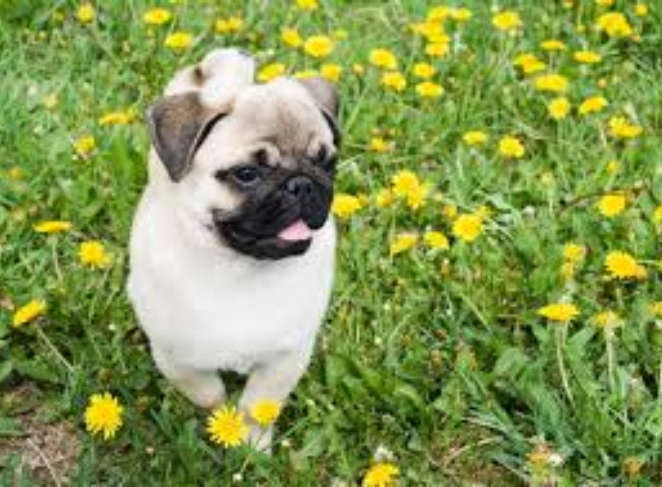
Housebreaking A Stubborn Pug
Housebreaking a stubborn pug can be a very rewarding and challenging experience for any dog owner. Pugs are full of playfulness and have a strong will, which makes them resistant to the standard techniques of potty training. Nevertheless, proper strategies, consistency, and patience will help you in training your Pug to attend to a dependable bathroom regimen.
This is such a complete guide, and it discusses all aspects of housebreaking the bad-tempered Pug, such as:
- Pug Behavior Analysis: Reasons Pugs Do Not Wish to be Trained.
- Essential Supplies: Tools to have a successful game.
- Step-by-step: Training plan key methods that are effective.
- The Usual Errors: Not to Do Avedna that Hinder Progress.
- Tip #1: Troubleshooting Tips – fixer problems Rx.
And in completing this guide, you will be able to have a properly housebroken Pug and a stress-free house.
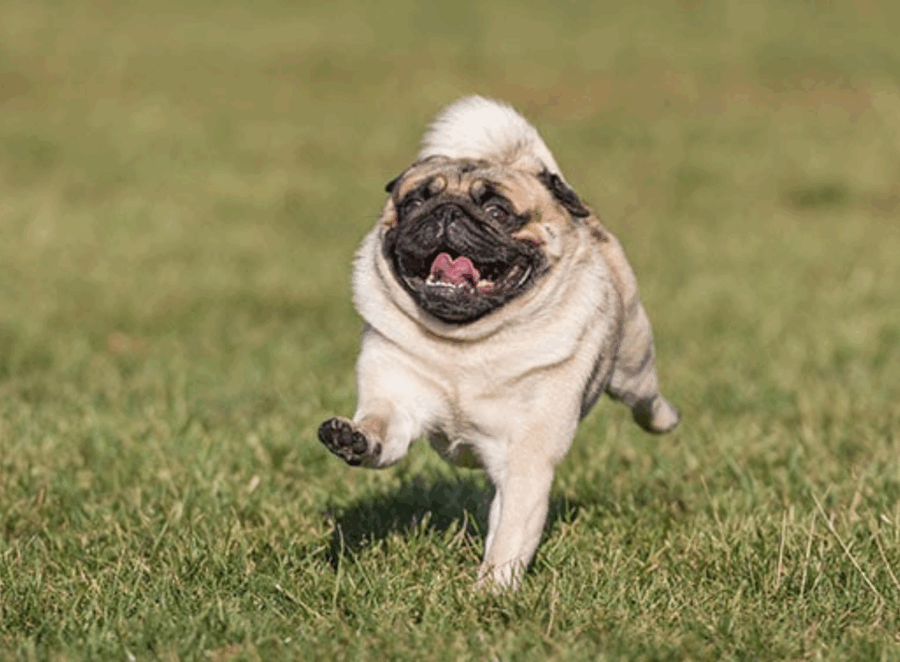
Why Are Pugs So Hard to Housebreak?
Pugs are omnivores, smart, but stubborn, and therefore infamously hard to potty train. These are some of the main reasons:
- Short Attention Spans – Likely to get distracted in the training.
- Tiny Bladders – Have to keep going to the bathroom.
- Stubborn StreakSteer clear of this, and it may disregard commands without getting encouraged.
- Weather Sensitivity – Dislike going outdoors when it is cold or raining.
Being aware of these challenges can guide the way you use them to achieve better results.
Essential Supplies for Housebreaking a Stubborn Pug
Before you get into the work, you will need to prepare these tools that you cannot do without:
- High-Value: Treats, e.g., small meat bits – Instant reward.
- Crate or Playpen: Assist with confinement-training.
- Enzyme Cleaner: Removes odors so that it does not curtail repeat accidents.
- Potty Bells: Teaches your Pug to speak when they have to go.
- Always on Time: Essential to help establish new patterns.
Step-by-Step Housebreaking Plan for Stubborn Pugs
1. Figure out a Rigid Schedule
Put your Pug out:
- First thing in the morning
- After meals
- After naps
- After every 2-3 hours
- Immediately before going to bed
2. Apply Crate Training
- Dogs do not litter their sleeping zone.
- Use a crate that is only the size of comfort.
- As they get used to it, slowly increase crate time.
3. Reward Success Right Away
- When your pug gets outside, praise and treat right away.
- Use the same command every time, such as “Go potty,” to reinforce the behavior.
4. Watch, Tie Down When Not Training
- Use baby gates, crib railings, or playpens to restrict little freedoms.
- Keep an eye out for sniffing, circling, or whining; they’re about to go.
5. Clean Accidents Completely
- Use an enzyme cleaner to eliminate the smell.
- Steer clear of heavy chemical cleaners ( ammonia smell is like urine to dogs).
Common Housebreaking Mistakes to Avoid
- Beating Accidents: Inspires fear & not advancement.
- Irregular Schedule: Confuses Your Pug.
- Free Roaming Too Early: Causing secretive accidents.
- Not Heeding Cues: Ignoring signs and signals slows up the training.
Troubleshooting Persistent Problems
My Pug won’t go out!
- Attempt to take them further to get them moving.
- Transition with the use of pee pads when the weather is a problem.
When I bring my Pug into the house, he goes and urinates!
- Make outdoor play last until they run out.
- Eliminate medical problems or UTIs with a vet visit.
I had trained my Pug, and it regressed!
- Put the routine back.
- Check the existence of stressors (new pets, change in schedules).
Final Tips for Long-Term Success
- Stay Patient & Consistent: Let’s face it, pugs learn on their tempo.
- Only Ever Use Positive Reinforcement: Yelling doesn’t work.
- Accolade Small Goals: Progress is slow.
Conclusion: A Well-Trained Pug Is Possible!
Training Housebreaking the mulish Pug is going to need commitment, the proper methods, and patience. With just this step-by-step guide, you will turn your Pug into a well-behaved companion.
All right, here goes. Save this guide to follow up and check in on your progress in the comments!