Hamza Sajjad

Introduction: The Enduring Charm of the Pug
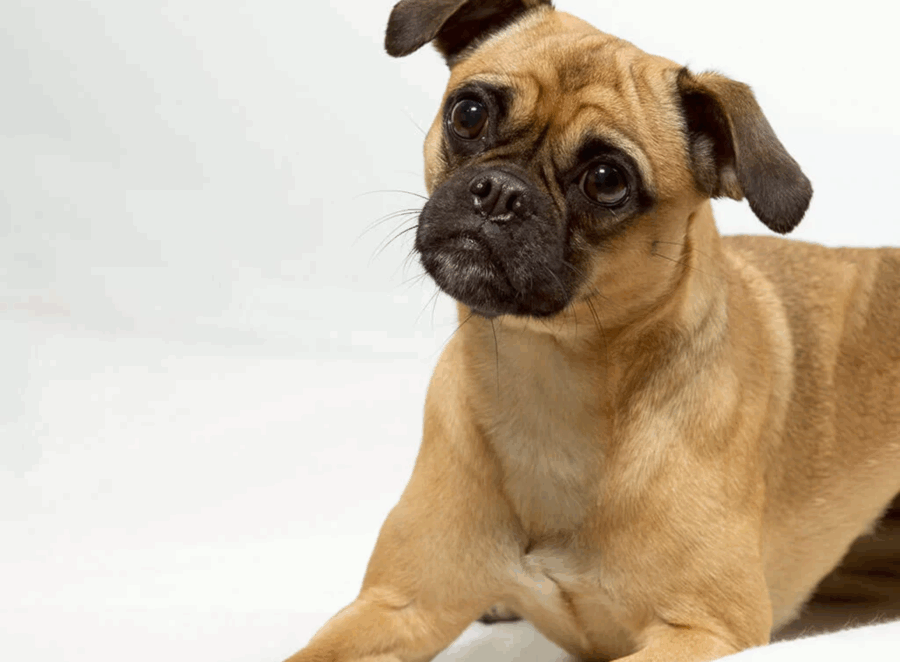
Among the most popular and recognizable types of dogs in the world, the pug breed of pugs rightfully takes the top place with its wrinkled face, expressive eyes, and playful character. However, behind the cute outlook is the history of centuries, continents, and even royal courts. This article brings to the fore the history of the Pug breed, including its antiquity, cultural values attributed to it, and its transformation to be the adorable pet that we have today.
Being a Pug or a soon-to-be one or a history lover in general, this detailed guide will offer you thought-provoking information concerning the history of such a breed, its use in various societies, and reasons why it has, up to date, attracted sheer followers around the globe.
Chapter 1: Ancient Origins – The Pug’s Beginnings in China
1.1 The Pug’s Connection to Imperial China
The history of pug dates back well into the history of ancient China, when they were domesticated as companion animals to the Chinese emperors of the dynasty of Shang (1600-1046 BCE). These were small, square-faced dogs, which were highly prized and sometimes even led the life of luxury, even being guarded by soldiers.
Royal Puckers: Pugs were only found in the imperial court, and only nobles owned a pug.
Symbolism: Their wrinkles, especially the so-called prince mark (a vertical wrinkle that looks like the character of Chinese word prince), had a sacred nature.
1.2 The Buddhist Monks’ Role
Buddhist monks in Tibet also raised the pugs and they were kept as lapdogs and temple buddies. They were very devoted and loving in character making them suitable to monastic life.
Chapter 2: The Pug’s Journey to Europe
2.1 Dutch Traders and the Pug’s Arrival in Europe
By the 16th century, the movable trade of Dutch took Pugs to Europe and it was soon a status marker under the European aristocracy.
House of orange: Pugs were made the royal dog of the family of House of Orange in Netherlands because one of the species barked and stopped an assassination attempt on Prince William of Orange.
Pugs were popular in Royal Courts: Marie Antoinette and Josephine Bonaparte both favored pugs, furthering their status as a black lapdog.
2.2 Art and Culture of Pugs
In European painting and sculpture pugs were often depicted as symbols of affluence and elegance. Pugs were depicted by the famous painters such as Goya and William Hogarth.
Chapter 3: The Pug in Modern Times
3.1 Victorian Era and Standardization of Breeds
In the day of the Victorian era (1837-1901), Pugs gained popularity among the circles of British elite. The Kennel Club was established in 1873, and breed standards were established.
Two Pug Breeds: The silver-fawn (Willoughby) and the apricot-fawn (Morrison) lines inspired the modern Pugs.
Arrival in America: Pugs came to America in the 19 century and were accepted by the American Kennel Club (AKC) in 1885.
3.2 The Pug Today: A Worldwide Phenomenon
Pugs are now in the top 30 of the most popular dog breeds over the world. They are very playful and affectionate pets, therefore ideal pets in families.
Pop Culture Impact: Pugs appear in films (e.g., “Men in Black”), and well-known Pugs such as Doug the Pug have millions of followers on social media.
Health and Care: Breeders have become modern enough to pay attention to respiratory health because they are brachycephalic (flat-faced).
Conclusion: The Pug’s Timeless Legacy
The history of the Pug breed fills the gap between imperial China and the contemporary home, its universal charm represented. Being royal or cultural icon, or a favorite pet, the life path of the Pug is as special as their nature.
The Importance of This to Pug Lovers
Knowledge about history of the Pug intercalates to the relationship between the owners and pets. Remembering their past, we secure a healthier, happier future of this awesome breed.
Does anyone want to know more about how to care for a pug and train, and some fun facts? Watch out for our forthcoming articles and improve your Pug knowledge now