Hamza Sajjad
Introduction: Pugs as the Ultimate Royal Companions
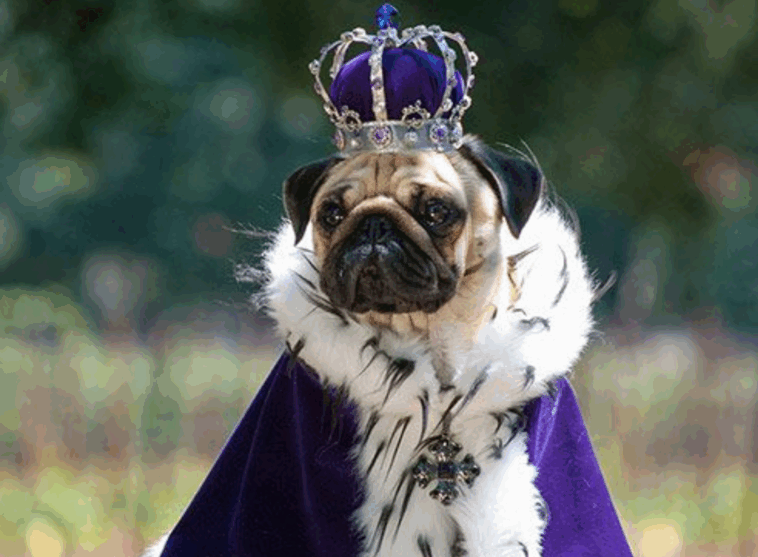
Pugs have long been associated with nobility, luxury, and royal favor. Their wrinkled faces, expressive eyes, and playful personalities made them the darlings of emperors, queens, and aristocrats throughout history. From ancient Chinese dynasties to European monarchies, pugs were more than just pets—they were status symbols, loyal confidants, and even political icons.
In this in-depth exploration, we uncover the fascinating journey of pugs in royal courts, their cultural significance, and why they remain one of the most beloved dog breeds today.
The Origins of Pugs: From Ancient China to the World
Pugs in the Chinese Imperial Court
Pugs trace their lineage back to ancient China, where they were bred as companions for royalty during the Shang Dynasty (1600-1046 BCE). Favored by emperors, these small, flat-faced dogs were known as “Lo-Chiang-Sze” or “Foo Dogs” and were considered sacred.
-
Exclusive Breeding: Only the imperial family and high-ranking officials were allowed to own pugs.
-
Luxury Treatment: They lived in lavish palaces, often guarded by soldiers.
-
Symbolism: Their wrinkles were believed to form the Chinese character for “prince” (王), enhancing their royal status.
Spread to Tibet and Buddhist Monasteries
Pugs also found favor in Tibetan Buddhist monasteries, where monks kept them as companions. Their compact size and affectionate nature made them ideal indoor pets.
Pugs in European Royalty: A Symbol of Power and Prestige
Pugs in the Dutch Royal House of Orange
These Dogsgained European prominence in the 16th century when Dutch traders brought them from China. They became the official dog of the House of Orange after a pug named Pompey saved William the Silent from assassins by barking at intruders.
-
War Mascots: Pugs accompanied soldiers into battle, symbolizing loyalty.
-
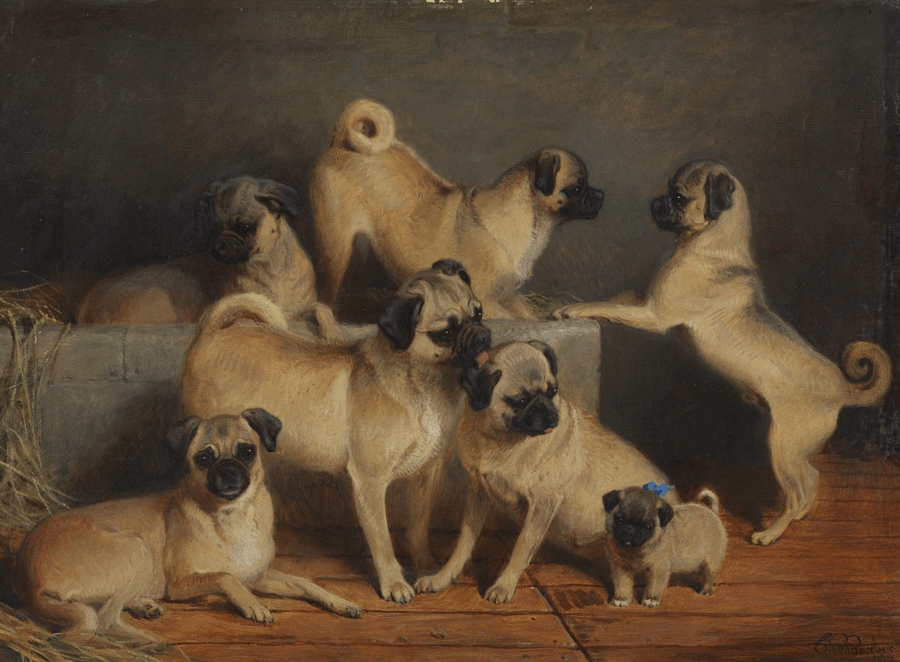
Royal Portraits: They were frequently painted alongside monarchs, reinforcing their elite status.
Pugs in the Court of Napoleon’s Josephine
In France, Empress Josephine Bonaparte had a beloved pug named “Fortune”, who reportedly bit Napoleon on their wedding night for trying to share the bed.
-
Messenger Dogs: Pugs carried secret notes between Josephine and Napoleon during her imprisonment.
-
Fashion Icons: They wore jeweled collars and were seen as the height of sophistication.
Queen Victoria’s Pug Obsession
Queen Victoria of England was a passionate pug enthusiast, breeding and owning many throughout her reign.
-
Selective Breeding: She refined the breed, favoring the fawn-colored pug we recognize today.
-
Public Adoration: Her pugs appeared in royal portraits, making them fashionable among British elites.
Pugs as Political and Cultural Symbols
The Pug in Art and Heraldry
-
Paintings: Pugs featured in works by Goya, Hogarth, and William Hogarth, symbolizing wealth and refinement.
-
Coat of Arms: The House of Orange included pugs in their heraldry, cementing their noble association.
Pugs in Secret Societies
The Order of the Pug, an 18th-century Masonic-like group, used pugs as symbols of loyalty and trust. Initiates had to wear dog collars and kiss a pug’s backside as part of rituals.
What Made Pugs So Beloved by Royalty?
Personality Traits Fit for Kings
-
Loyalty: Pugs form deep bonds with their owners, making them ideal royal companions.
-
Adaptability: Their small size allowed them to thrive in palace environments.
-
Entertaining Nature: Their playful antics provided amusement in royal courts.
Exclusivity and Status
Owning a pug was a mark of wealth and privilege, as they were rare and expensive to import.
The Modern Pug: From Royalty to Internet Stardom
Though no longer exclusive to royalty, pugs remain one of the most popular breeds worldwide. Their charming personalities and photogenic faces have made them social media sensations, continuing their legacy as beloved companions.
Pugs in Pop Culture
-
Movies & TV: Famous pugs include Frank from “Men in Black” and Percy from “Pocahontas.”
-
Internet Fame: Viral pug accounts like Doug the Pug have millions of followers.
Conclusion: The Enduring Legacy of Royal Pugs
From the imperial courts of ancient China to the royal palaces of Europe, pugs have served not just as companions, but as enduring symbols of status, devotion, and opulence. Their journey through history proves why they remain adored today.
Want to own a piece of royal history? Consider adopting a pug and experience the charm that captivated kings and queens for centuries!