Hamza Sajjad
Introduction
Seasonal changes bring shifts in temperature, humidity, and environmental conditions that directly impact your pet’s skin, coat, and overall health. Proper grooming during these transitions is essential to prevent shedding problems, skin irritations, and discomfort. Whether you have a dog, cat, or another furry companion, this comprehensive guide covers proven grooming tips during seasonal changes to keep your pet looking and feeling their best.
Why Seasonal Grooming Matters
Pets adapt to weather changes, but their coats and skin need extra care to stay healthy. Seasonal shedding, dry skin, allergies, and parasite risks increase during transitions between spring, summer, fall, and winter. A well-structured grooming routine helps:
✔ Reduce excessive shedding
✔ Prevent matting and tangles
✔ Maintain healthy skin and coat
✔ Detect early signs of skin conditions
✔ Improve comfort and hygiene
Now, let’s dive into season-specific grooming strategies.
Spring Grooming: Managing Shedding & Allergies
Spring triggers heavy shedding as pets lose their winter undercoat. Follow these steps:
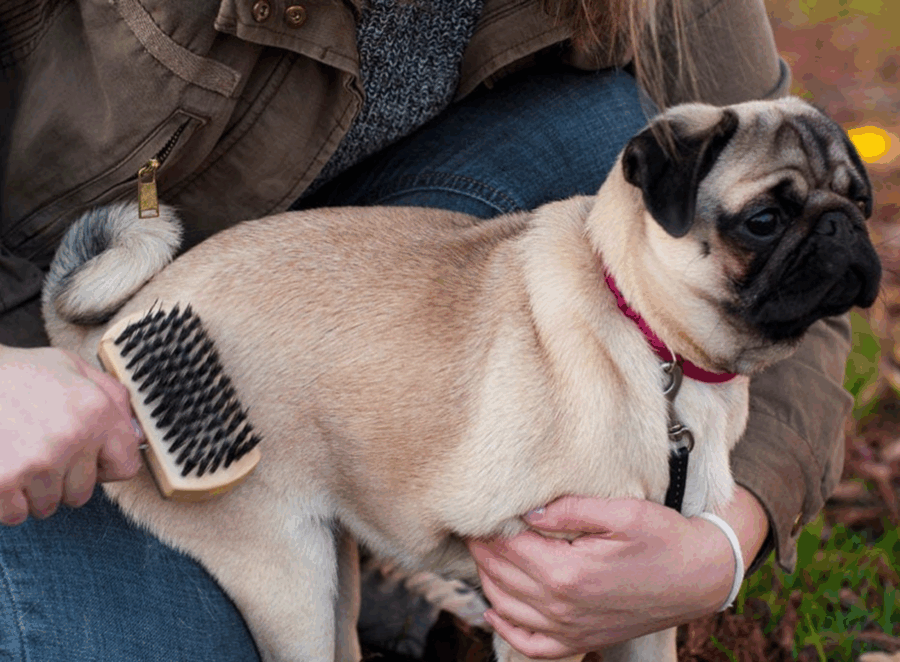
Brushing & De-Shedding Techniques
-
Use an undercoat rake or deshedding tool (e.g., Furminator) for thick-coated breeds.
-
Brush 2-3 times weekly to remove loose fur and prevent matting.
-
Short-haired pets benefit from a rubber grooming mitt.
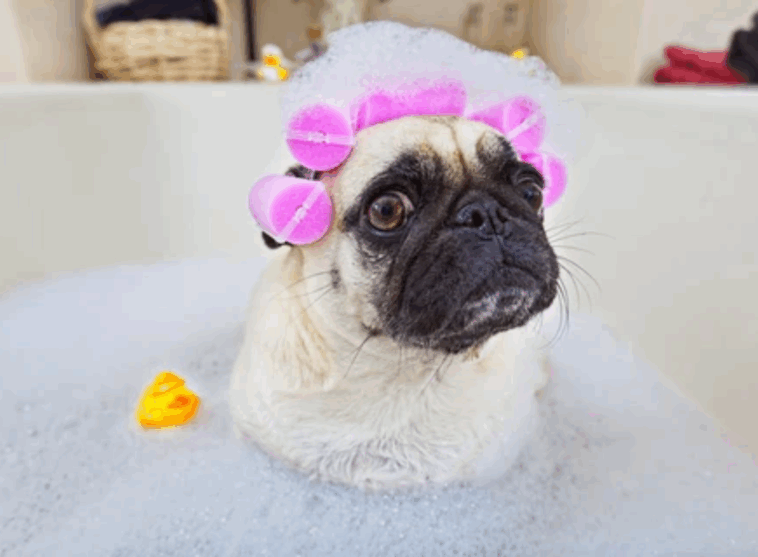
Bathing & Skin Care
-
Bathe with a hypoallergenic shampoo to soothe spring allergies.
-
Rinse thoroughly—leftover shampoo can cause irritation.
-
Apply a pet-safe conditioner to retain moisture.
Pest Prevention
-
Check for fleas and ticks after outdoor activities.
-
Use vet-approved flea treatments and natural repellents (e.g., neem oil).
Summer Grooming: Heat & Hydration Focus
Hot weather demands cooling grooming techniques:
Coat Trimming (But Not Too Short!)
-
Trim long-haired breeds (e.g., Golden Retrievers) to improve airflow.
-
Avoid shaving double-coated breeds (Huskies, Malamutes)—their coat insulates against heat.
Paw & Pad Protection
-
Hot pavement burns paws—walk pets early morning or late evening.
-
Apply pet-safe paw balm to prevent cracks.
Hydration & Skin Care
-
Bathe with oatmeal shampoo to relieve heat rashes.
-
Keep pets hydrated—add water-rich foods (cucumber, watermelon) to their diet.
Fall Grooming: Preparing for Cooler Weather
As temperatures drop, focus on coat and skin maintenance:
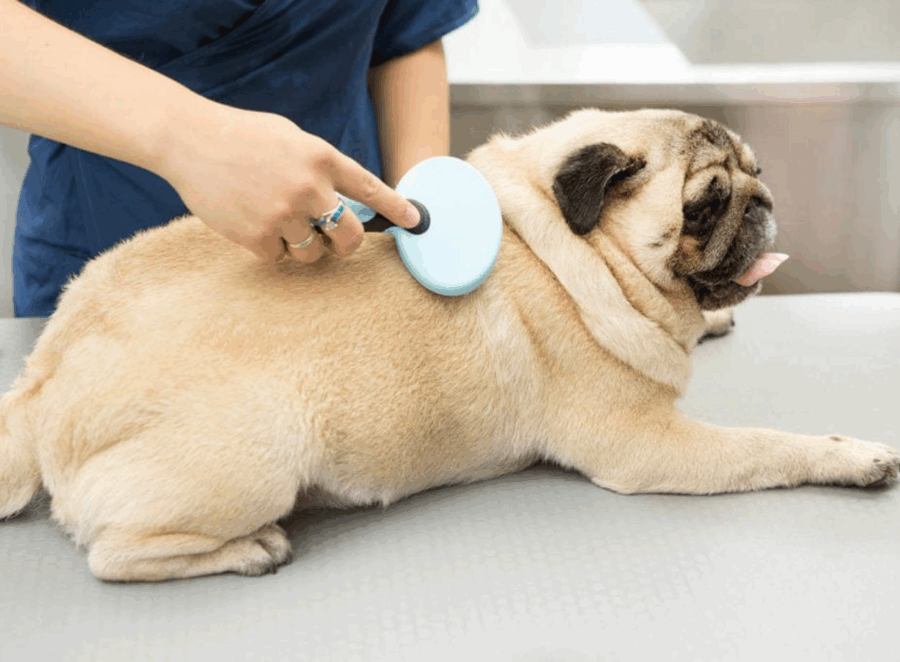
Brushing & Detangling
-
Remove dead hair to allow new winter growth.
-
Use a slicker brush for detangling.
Moisturizing Dry Skin
-
Switch to a moisturizing shampoo to combat fall dryness.
-
Add fish oil supplements for a healthier coat.
Paw Care After Summer Damage
-
Trim excess fur between toes to prevent ice buildup in winter.
-
Check for cracked pads and apply healing balm.
Winter Grooming: Protecting Against Cold & Dryness
Winter brings chapped skin and static fur:
Limit Baths to Prevent Dryness
-
Bathe once a month using hydrating shampoos.
-
Use lukewarm water—hot water strips natural oils.
Paw Protection from Salt & Ice
-
Wipe paws after walks to remove de-icing chemicals.
-
Use pet-safe booties in extreme cold.
Indoor Humidity & Skin Care
-
Run a humidifier to combat dry air.
-
Brush regularly to distribute natural oils.
Bonus: Year-Round Grooming Essentials
Nail Trimming – Prevents overgrowth and joint issues.
Ear Cleaning – Prevents infections, especially in floppy-eared breeds.
Dental Care – Brush teeth weekly to avoid plaque buildup.
Final Thoughts: A Well-Groomed Pet is a Happy Pet!
Adapting your grooming routine to seasonal changes ensures your pet stays comfortable, healthy, and stylish year-round. By following these proven grooming tips, you’ll minimize shedding, prevent skin issues, and keep your furry friend in top shape.
Want more expert pet care advice? Subscribe to our newsletter for the latest grooming trends and health tips!