Hamza Sajjad
Breeding for Health and Happiness: The Ethics of Bringing Pugs into the World
The pug’s adorable snort and playful personality have won hearts globally, but what lies behind the wrinkly surface is a breed fighting life-threatening health issues. Ethical breeding of pugs is not just a practice; it is an essential undertaking towards the future health of the breed. It requires a philosophy that values health, temperament, and longevity over profit or excessive physical characteristics, seeking to retain what we cherish about pugs while making sure they live healthy, pleasant lives.
The Core Principle: Health Above All Else
The single biggest ethical issue in pug breeding is their brachycephalic (flat-faced) anatomy. It is the underlying cause of Brachycephalic Obstructive Airway Syndrome (BOAS), which can cause a lifetime of respiratory struggle. The very first responsibility of an ethical breeder is to reduce this.
Health Testing is Non-Negotiable: Good breeders never breed any dog without thorough health clearances. For pugs, these include:
BOAS Testing: Your vet administers a unique respiratory function test to grade the airway of the dog. Only the highest scored ones ought to be bred.
OFA/PennHIP Evaluations: These X-rays screen for hip dysplasia, which is a popular joint problem.
Ophthalmologist Evaluation: Eye issues such as corneal ulcers and dry eye are prone in pugs. A certified veterinary ophthalmologist must evaluate their eyes.
DNA Testing: Breeders need to test for genetic diseases such as Pug Dog Encephalitis (PDE) and Degenerative Myelopathy (DM) in order to prevent passing these lethal illnesses on to their puppies.
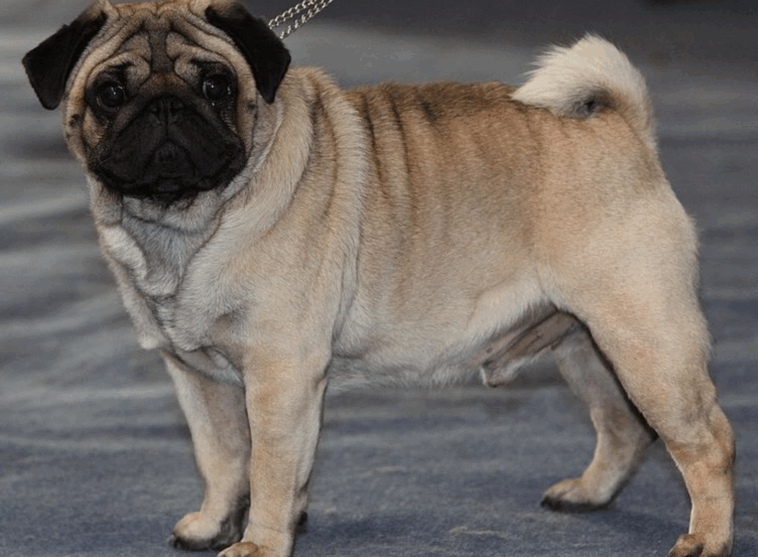
Choosing Healthier Traits: This is the most contentious but most important area. Responsible breeders consciously choose for dogs with more extended muzzles, broader nostrils, less deeply set eyes, and extended palates. It may result in their dogs being slightly less “extreme” than the show ring type, but they can breathe, see, and live much better.

The Ethical Breeder’s Pledge: More Than Genetics
Ethical breeding involves a lot more than the physical process. It is an indication of a strong commitment to all life created.
Temperament and Socialization: Pugs are famous for their even, affectionate, and playful nature. Responsible breeders care for the puppies in their own home, rather than a lone kennel, where they are touched every day and subjected to domestic sounds and visual stimuli. This initial socialization is key to creating well-balanced companions.
Transparency and Education: A sign of a responsible breeder is extreme openness.
- They will invite you into their home to meet the breeding dam (and in many cases, the sire).
- Openly disclose all health testing and certifications.
- Honesty about the potential health issues of the breed, do not conceal them.
- Describe their breeding aims and why they selected a particular combination.
A Lifetime Safety Net: Responsible breeders treat their puppies as a lifetime commitment. They will have a contract that spells out in depth a health guarantee and a provision for the return of the puppy to them should the owner be unable to care for them anymore—no dog of their breeding ever hitting the shelter.

Selecting an Ethical Breeder: The Buyer’s Duty
The need for high-quality pugs gives ethical practices a boost. As a prospective owner, it is important to learn about how to spot a good breeder and avoid financing bad ones.
Warning Signs of an Unethical Breeder (Backyard Breeder/Puppy Mill):
- More than one litter for sale at the same time or always having puppies.
- Not allowing you to see where the dogs are kept or to meet the mother.
- Failure to provide health certificates or excuses for their absence.
- Selling a puppy prior to 8 weeks of age.
- Pursuing rare colors (such as white or merle) that tend to be associated with genetic health problems.
Green Flags of an Ethical Breeder:
- They ask you as many questions as you ask them.
- They are affiliated with a national kennel club and actively competing in dog sports (conformation, agility, therapy work) to demonstrate their dogs’ soundness.
- They are a source of information and would like to teach you.
- They have an intense interest in the breed community and are known by reputation.
- Ethical breeding of pugs is a complicated, costly, and emotionally charged process. It is a labor of love to preserve the very nature of the breed. As patrons of these committed breeders, potential owners become allies in a quest to ensure that future generations of pugs are not just adorable and affectionate but also healthier and happier.