Dr. Huzaifa Shayan (Veterinarian/ Deep Researcher)

Last updated on February 26th, 2026
Calculate Dog BMI and Guide – Free Instant Dog Weight
Any dog owner would desire that his or her pet should have a long healthy life. Yet this is the truth that most citizens do not go to the veterinarian to hear when their dogs are facing weight problems: most of the time, it cannot be detected visually but have to calcluate by Dog BMI calculator, particularly when dealing with breeds with thick coats. Your fluffy golden retriever may appear as exactly as soft and fine, but with an extra pound or two that puts excessive pressure on joints and reduces your life expectancy.
This is precisely at this point in time that a dog BMI calculator would prove to be a necessity. It eliminates the guessing game of determining whether your dog is higherweight or not, and it is also a tangible, real number to deal with.
It takes you through all the details you need to know, such as:
- What is BMI of a dog
- How to work out the BMI of your dog
- What are the healthy ranges of the dog
- What to consider in case of an aberrant score of your dog
What Is Dog BMI?
Dog BMI (Body Mass Index) is a mathematical scale that approximates the weight of whether a dog was at an unhealthy weight (underweight), healthy weight, higherweight, or rather too much higher weight basing on its weight and body size. It is based on the human BMI concept except that it has been modified to consider the differences in body structure among dogs.
As opposed to just eye balling the shape of your dog, the dog BMI index provides you with a way to test their health, a standardized measure that can also be used by vets and canine nutritionists as a test of the dog when doing a screening.
The Association of Pet higher weight Prevention claims that more than 56 percent of dogs in the U.S. are higherweight or Too much high weight. The majority of their owners explained them to be of normal weight.
Such distance between perception and reality is precisely the reason why the information about how to measure the BMI of a dog is significant.
How to Calculate Dog BMI
The most commonly used BMI formula of dogs is:
- Dog BMI = (Weight / Height) x 703 (lbs/ inches²)
- Or in metric: Dog BMI = kg/ (Meters squared)²
Measuring is done between the floor and the top of the shoulders of the dog (the withers).
How to Measure the BMI of Dogs at Home Step-by-Step
- Weigh the dog – Use a weighing machine. Weigh yourself and then weigh yourself and have your dog. Minus the weight of the dog to obtain the weight.
- Height measurement – Get your dog on a flat surface. Measure them by a measuring rod with respect to the floor to the top of their shoulder blades.
- Enter in the formula – Or better still you can get an instant result through a free dog BMI calc tool that is available online.
Dog BMI Chart: What the Numbers Mean
Once you calculate dog BMI, compare it to the standard dog BMI scale:
| Dog BMI Range | Classification |
|---|---|
| Below 18.5 | Underweight |
| 18.5 – 24.9 | Normal / Healthy |
| 25.0 – 29.9 | Overweight |
| 30.0 and above | Obese |
This dog BMI chart gives you a quick visual reference. A healthy dog BMI falls between 18.5 and 24.9, which is considered the ideal dog BMI range for most breeds.
Keep in mind: the average dog BMI varies slightly depending on the breed. The normal dog BMI for a Chihuahua will differ from that of a Great Dane — which is why using a dog BMI calculator by breed is always more accurate than applying a one-size-fits-all number.
Why Breed Matters in Dog BMI
Calculator of breed-specific dog BMI takes into consideration that various dogs possess entirely dissimilar body makeup. The natural state of the greyhounds is that they possess little body fat and lean muscle and hence will score low on the usual dog body mass index test compared to a labrador with the same level of fitness.
Breeds in Which Breed Specific Calculators Would Have the Most Impact
- Bulldogs – they are naturally chubby and therefore more likely to score higher.
- Whippets and Greyhounds – these are lean in nature, may be underweight.
- Dachshunds – low height distorts the formula; it is better to look at abdominal fat instead.
- Bernese Mountain Dogs – is shown by thick coat and dense muscle which may hide real weight.
A result obtained using a dog BMI calculator and breed inputs is calibrated to the natural body shape of your particular dog, and is much more accurate than an associated generic result.
What Is a Good Dog BMI?
So, what is a good dog BMI? Practically speaking:
- 18.5 to 24.9 is the target zone
- Dogs in this dog BMI index are usually characterized by an apparent waist when they are observed looking up.
- It is possible to touch their ribs without necessarily pressing too hard, but impossible to see them.
- Their abdomen is pinned in slightly behind the ribcage.
Probably, a conversation with your vet is justified in case the dog BMI of your dog is less than or even slightly below this range.
Pro Suggestions to Get the Real Results
- Always take measurements at a regular time after meals so that you can closely record them in weeks.
- Always use the same scale – even minor differences between scales have impacts on the readings.
- Check your dog (Weight management) after every 4-6 weeks.
- Add BMI to a Body Condition Score (BCS) – a 9-point visual estimate of vets that is used with the index of dog BMI.
- In the case of puppies, BMI is unnecessary at all – there is too much variability in their proportions.
Errors That Dog Owners Commit
- Relying on appearance alone – Fluffy coats hide a lot. Measurements must be checked at all times.
- Using human BMI tools – Human BMI equations are not determined on dog physiology. There should be a special dog BMI calculator.
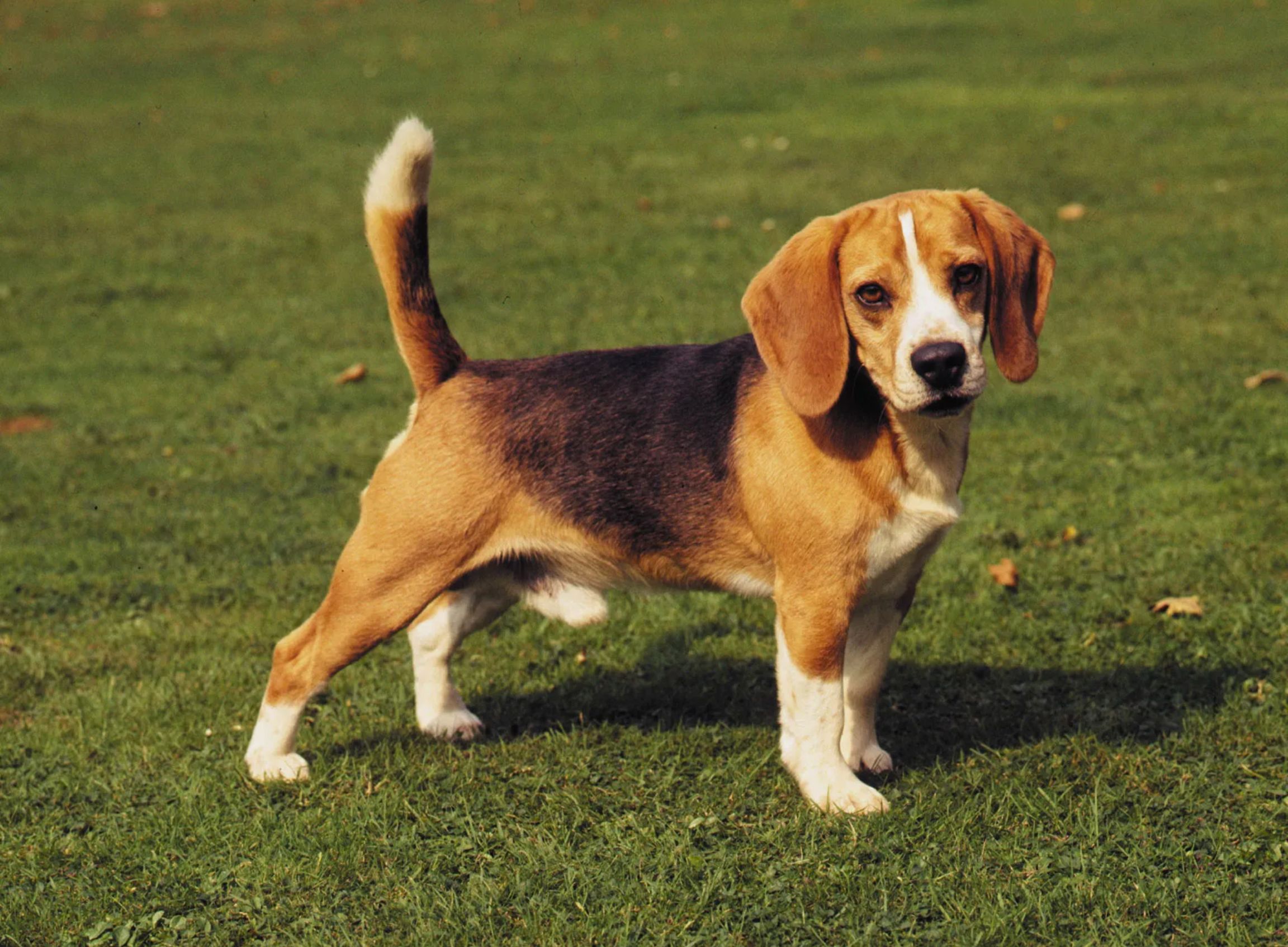
- Disregarding breed specific geographies – A BMI 26 Border Collie could be a healthy and muscular dog. At the BMI of 26, a Beagle is probably higherweight. Context matters.
- Weight measurement without height measurement – Weight is worthless as far as body composition is concerned. The dog BMI formula cannot do without height.
- Pounding because of one reading – A single snapshot is not the entire picture. Monitor the changes over time and pay attention to the trends, but not individual data.

FAQs
Q: Is it possible to utilize the dog BMI calculator in the case of puppies?
Not reliably. Soon toddlers evolve quickly and their body ratios change at any given time. Instead, your vet will make use of growth charts.
Q: What is the frequency of a dog BMI test?
Dogs on a diet or exercise program should be given a month once every month. Dogs in the stable that are at healthy weight can get away with every 3 months.
Q: The BMI of my dog is too high, it is higherweight, then what is the right thing to do?
Begin with a check up to eliminate thyroid or metabolic problems. Then address the proportion control, fewer snacks, and walking every day. It is not recommended to crash-diet your dog, but it is safe to reduce its body weight at the rate of 1-2 percent per week.
Q: Could it be dog BMI equal to Body Condition Score?
No. The BMI is a number that is calculated as a result of measurements. BCS is nonverbal and physical, the test marked out of 1-9. On their own, they offer a more detailed picture.
Q: What is the difference between dog screening: dog obesity and dog BMI at the vet?
Vets normally employ BCS to their advantage. Dog BMI is a supplementary measure – more objective and measurable with time, yet it should be applied in combination with professional measures.
Conclusion
Monitoring the dog BMI of your dog is not a matter of number obsession but rather when you realize early enough before it gets a problem with joints, diabetes or even heart complications. Not much more than two minutes on a free dog BMI calculator will provide you with the information that may literally prolong the healthy years of your dog.
The Key Takeaways
- The normal weight of a dog is between 18.5 to 24.9.
- A dog BMI calculator by breed is to be used to obtain the most precise result.
- Apply your BMI test of the dog with a Body Condition Score.
- Always keep track throughout the time period – the trend is more important than the reading.
- When in doubt, loop in your vet.
Your dog is not able to tell you when they is not comfortable with carrying extra weight. The data to champion the dog before issues develop is given by the dog BMI index before you have serious problems.