Hamza Sajjad
Introduction: The Emotional Bond Between Pugs and Humans
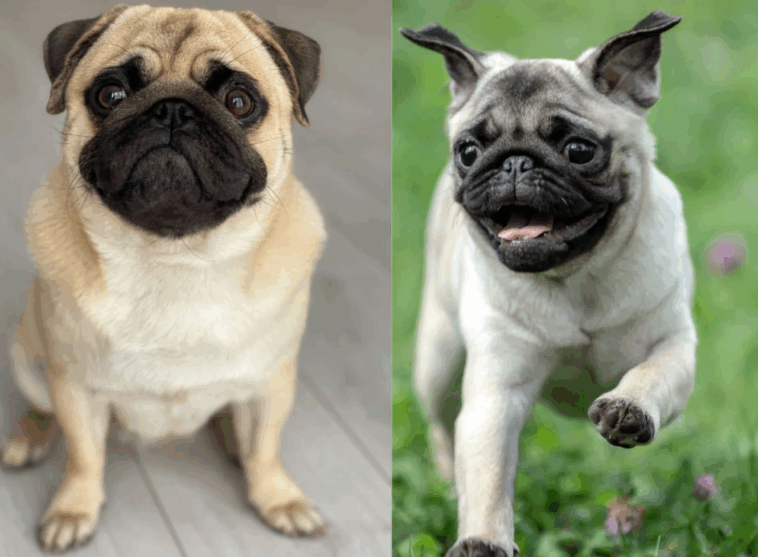
Pugs, with their expressive faces and affectionate nature, have long been cherished as loyal companions. But do these adorable dogs truly understand human emotions, or are they simply reacting to our tone and body language? This article explores the science behind pug intelligence, emotional perception, and their unique ability to connect with their owners on a deeper level.
By the end of this read, you’ll discover:
-
Scientific evidence on canine emotional intelligence
-
How pugs interpret human facial expressions and vocal tones
-
Behavioral signs that your pug senses your emotions
-
Ways to strengthen your emotional bond with your pug
Let’s unravel the fascinating world of pug psychology and their ability to empathize with humans.
The Science Behind Canine Emotional Intelligence
Do Dogs Understand Human Emotions?
Research confirms that dogs, including pugs, possess a remarkable ability to read human emotions. Studies from institutions like the University of Helsinki and the University of Lincoln reveal that dogs can distinguish between happy, angry, and sad facial expressions.
-
Facial Recognition: Dogs rely on human facial cues, particularly around the eyes and mouth.
-
Vocal Tone Sensitivity: They respond differently to cheerful, soothing, or harsh tones.
-
Olfactory Clues: Dogs detect hormonal changes (like cortisol in stress) through scent.
Pugs and Emotional Perception
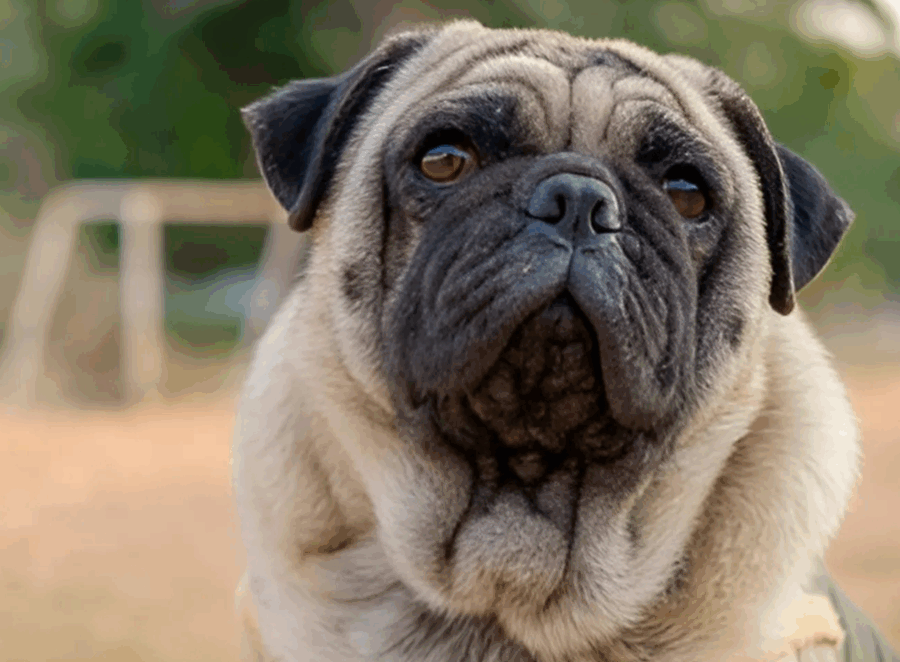
Pugs, bred as companion dogs, have heightened social intelligence. Their brachycephalic (flat-faced) structure enhances their ability to make eye contact, a key factor in emotional bonding.
How Pugs Interpret Human Emotions
Reading Facial Expressions
Pugs excel at picking up subtle facial cues:
-
Wrinkled Forehead: They may tilt their head in curiosity or concern.
-
Smiling vs. Frowning: A study in Animal Cognition found dogs approach smiling faces more readily.
Reacting to Vocal Cues
Pugs respond to:
-
High-Pitched, Happy Voices: Tail wagging and excited behavior.
-
Low, Stern Tones: Cowering or submissive postures.
Sensing Emotional Energy
Dogs, including pugs, are highly attuned to their owner’s energy:
-
Stress & Anxiety: They may cling to you or become restless.
-
Happiness & Playfulness: They mirror excitement with playful barks and zoomies.
Behavioral Signs Your Pug Understands Your Emotions
Your pug may display these behaviors when sensing your mood:
| Emotion | Pug’s Response |
|---|---|
| Happiness | Wagging tail, jumping, licking |
| Sadness | Snuggling, resting head on you |
| Anger | Avoidance, lowered ears |
| Fear | Shaking, hiding behind you |
Empathy vs. Instinct
While pugs show empathy, some reactions are instinctual:
-
Comforting Behavior: Licking tears may stem from a nurturing instinct.
-
Protective Actions: Staying close when you’re sad could be pack behavior.
Strengthening the Emotional Bond with Your Pug
Tips to Enhance Emotional Connection
-
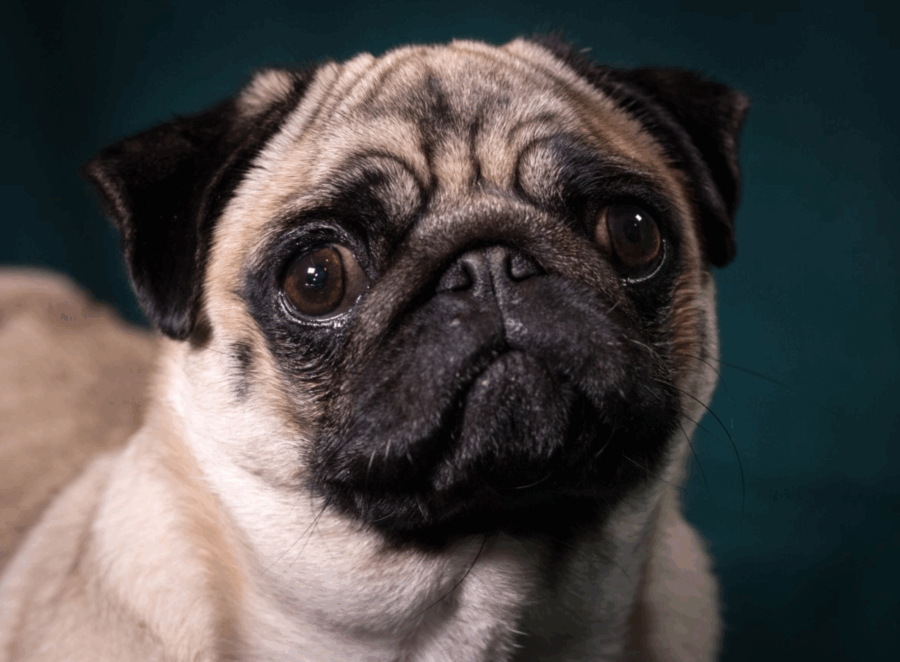
Maintain Eye Contact – Deepens trust and communication.
-
Use Positive Reinforcement – Rewards strengthen emotional associations.
-
Spend Quality Time – Cuddling and play improve bonding.
-
Be Emotionally Expressive – Pugs respond better to clear emotional cues.
Training Your Pug to Be More Emotionally Attuned
-
Mirror Exercises: React to their emotions to teach reciprocity.
-
Voice Modulation Training: Use varying tones to gauge reactions.
Debunking Myths: Do Pugs Feel Human-Like Emotions?
While pugs exhibit empathy, they don’t process emotions exactly like humans. Key differences:
-
No Complex Emotions: They don’t feel guilt or spite (despite the “guilty look”).
-
Instinct-Driven Reactions: Their responses are rooted in survival and bonding instincts.
Conclusion: Pugs Are Emotionally Intelligent Companions
Pugs may not comprehend emotions on a human level, but their ability to sense and react to our feelings makes them extraordinary companions. By understanding their emotional intelligence, you can foster a deeper, more meaningful bond with your furry friend.
Final SEO-Optimized Takeaways:
-
Pugs read human emotions through facial expressions, tone, and scent.
-
They show empathy via cuddling, licking, and protective behaviors.
-
Strengthen your bond with eye contact, positive reinforcement, and playtime.
Want to boost your pug’s emotional intelligence? Start applying these insights today and watch your connection grow stronger!