Hamza Sajjad
Introduction: The Mysterious World of Pug Dreams
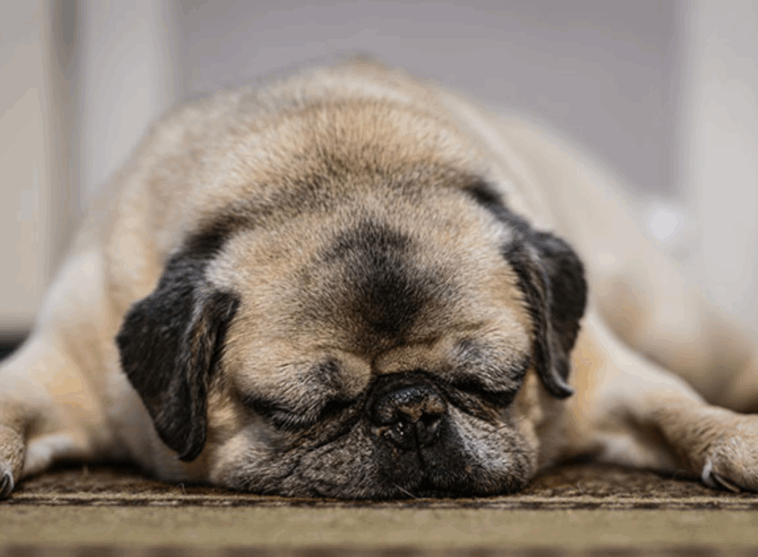
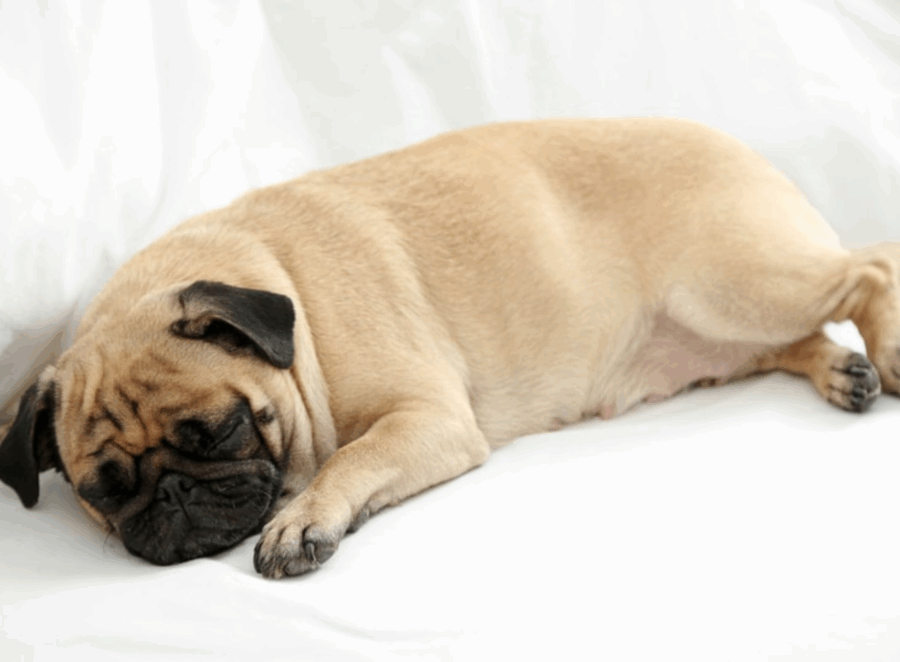
Have you ever watched your pug twitch, whimper, or paddle their tiny paws while sleeping and wondered, “Do pugs dream?” The answer is a resounding yes—pugs, like all dogs, experience dreams during their sleep cycles. But what exactly do they dream about? How does their sleep differ from humans? And why do they make those adorable little movements?
In this comprehensive guide, we’ll explore the fascinating science behind pug dreams, sleep cycles, and what goes on inside their minds when they doze off. Whether you’re a pug owner, a dog lover, or just curious about animal behavior, this article will provide in-depth insights backed by research.
The Science of Canine Sleep: Do Pugs Really Dream?
1. Understanding Dog Sleep Cycles
Just like humans, dogs go through different sleep stages, including:
-
REM (Rapid Eye Movement) Sleep – This is the stage where dreaming occurs.
-
Non-REM Sleep – Deep, restorative sleep without dreams.
Research from MIT and Harvard confirms that dogs have similar brainwave patterns to humans during REM sleep, meaning they do dream. Pugs, with their expressive faces and active personalities, often exhibit more noticeable dream behaviors than other breeds.
2. What Do Pugs Dream About?
Studies suggest that dogs dream about their daily activities, such as:
-
Chasing squirrels or toys
-
Playing with their owners
-
Eating treats
-
Interacting with other pets
Since pugs are highly social and food-motivated, their dreams likely revolve around playtime, snacks, and cuddles!
3. Why Do Pugs Twitch and Bark in Their Sleep?
If your pug jerks, whines, or “runs” in their sleep, it’s because their brain is replaying movements from their waking life. This is a normal part of REM sleep, where the brain is highly active but the body remains mostly paralyzed (to prevent injury from acting out dreams).
How Pug Sleep Differs from Human Sleep
1. Shorter Sleep Cycles
While humans have 90-minute sleep cycles, dogs (including pugs) have shorter cycles of about 20 minutes. This means they enter REM sleep faster—and dream more frequently—than we do.
2. More Frequent Naps
Pugs sleep 12-14 hours a day, with frequent naps. Their dreams occur in short bursts, making their sleep patterns different from humans’ consolidated 8-hour rest.
3. Sensitivity to Surroundings
Pugs are light sleepers due to their guard dog ancestry. They wake up easily, so their dreams might be interrupted more often than deep-sleeping breeds.
Can You Influence Your Pug’s Dreams?
1. Positive Daytime Experiences = Happy Dreams
Since dogs dream about their daily lives, providing:
-
Playtime
-
Training sessions
-
Social interactions
…can lead to more pleasant dreams.
2. Avoid Stress Before Bedtime
Anxious or fearful experiences may lead to nightmares. Keep evenings calm with:
-
Gentle petting
-
Soft music
-
A cozy sleeping spot
3. Should You Wake a Dreaming Pug?
It’s best not to interrupt REM sleep unless they seem distressed. A sudden wake-up can disorient them.
Common Pug Sleep Behaviors Explained
| Behavior | What It Means |
|---|---|
| Twitching paws | Dreaming of running |
| Soft barks/whimpers | Reacting to dream events |
| Sudden jerks | Deep REM activity |
| Snoring loudly | Brachycephalic (short-nosed) breed trait |
Final Thoughts: The Dream Life of a Pug
Pugs don’t just sleep—they live vivid dream adventures! Their twitches, barks, and paddling paws are proof of an active subconscious mind. By understanding their sleep patterns, you can ensure your pug gets restful, happy dreams every night.
Want More Pug Insights?
- Follow us for expert pug care tips!
- Subscribe for weekly dog behavior deep dives!