Hamza Sajjad

Calming Your Pug’s Delicate Stomach: A Total Guide to Digestive Health
Pugs are such a delight with their lovely temperaments, but their guts are usually a problem. Their breed nature renders them sensitive to their stomachs, and they need proper care from their owners. Knowing the reasons, remedies, and prevention measures is the way to making your pug comfortable and content.
Why Pugs Have Digestive Issues
There are a number of inherent characteristics that also lend themselves to the pug’s sensitive stomach reputation.
Brachycephalic Anatomy: Their flat, short faces lead them to ingest extra air during eating and drinking, a condition referred to as aerophagia. This results in gas, bloating, and overall discomfort.
Rapid Eating Habits: Numerous pugs gulp down food ravenously without chewing first. This not only enhances air ingestion but also does not break down food for better digestion.
Food Sensitivities: Pugs are oftentimes sensitive or allergic to typical ingredients in commercial dog food, including certain proteins (beef, chicken) or grains (corn and wheat).
Scavenging Tendencies: Their food obsession leads them to eat anything and everything, including spoiled food, trash, or non-food items, directly causing gastrointestinal upset.
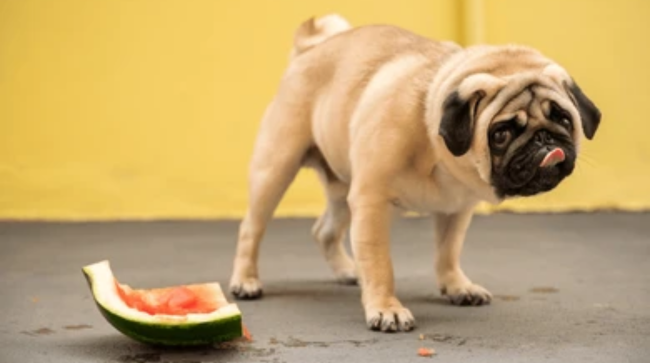
Diagnosing an Upset Stomach
The first step to relieving the discomfort is to recognize the signs. Regular symptoms include:
- Vomiting or regurgitation
- Diarrhea or abnormally soft stools
- Increased flatulence or a bloated belly
- Lethargy and a visible lack of energy
- Loss of appetite or refusal to eat meals
- Visible discomfort, whining, or restlessness
Important Warning: Immediately call your veterinarian if you notice blood in vomit or stool, unproductive retching (a possible indicator of life-threatening bloat), extreme lethargy, or a display of severe pain. These need to be addressed professionally in an emergency.
Immediate Care: The Bland Diet Solution
For light vomiting or diarrhea, the best home remedy is a bland diet. It gives the digestive system time to rest and heal without being put to the test.
Applying the Bland Diet:
Brief Fasting: Skip food for 12-24 hours, but always have fresh water available to avoid dehydration.
Prepare a Simple Meal: Following the fasting, bring in a meal of:
- Plain, boiled, boneless chicken breast or lean ground turkey (no oils or spices).
- Plain white rice or 100% pure canned pumpkin (not pie filling). Pumpkin is great for balancing digestion.
Small Portions: Provide small, frequent meals (a few spoonfuls every 3-4 hours) instead of one big meal.
Gradual Transition: After stools have normalized after 2-3 days, gradually add your pug’s regular food back into the bland diet over several days.
Long-Term Management for Digestive Wellness
It’s much more efficient to prevent upset stomachs rather than treat them. These measures can go a long way in making life more comfortable for your pug.
Dietary Decisions
High-Quality Food: Select a kibble or wet food where a named animal protein is the first ingredient (salmon, not “meat by-product”) and steer clear of fillers like corn and soy.
Novel Protein Sources: Novel protein sources like duck, lamb, or salmon might be recommended by the veterinarian to account for sensitivities.
Try Sensitive Stomach Formulas: Several high-end brands have lines specifically created for sensitive stomachs, usually with helpful prebiotics and probiotics.
Better Feeding Habits:
Feed from a Slow-Feeder Bowl: This is a must. The incorporated hurdles make your pug slow down, significantly lowering air consumption and enhancing digestion.
Raise Food and Water Bowls: A raised stand brings the bowl up to chest level, allowing for improved posture and making swallowing easier.
Strict Portion Control: Accurately measure meals to avoid overeating and obesity, which worsens digestive and respiratory problems.
Useful Supplements (With Vet Approval):
Probiotics: These supplements add “good” bacteria to the gut, supporting healthy microbiome and immune system.
Pumpkin: One teaspoon daily of plain canned pumpkin is an excellent fiber source to ensure regular bowel movements.
Omega-3 Fatty Acids: Supplements such as fish oil can assist in lessening inflammation throughout the body, including the digestive tract.
By knowing the underlying causes of your pug’s digestive problems and using these cautious management techniques, you should be able to reduce their discomfort effectively. An active approach, coupled with normal veterinary visits, will allow your cherished pet to get the most out of their meals and their life.