Hamza Sajjad
Introduction
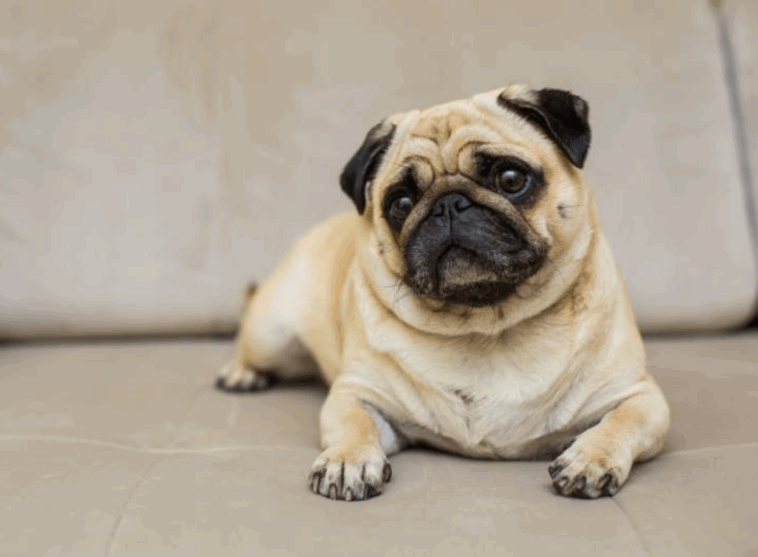
Creating a Monthly Pug Maintenance Calendar: Pugs are adorable, affectionate, and full of personality, but they require consistent care to stay healthy and happy. A well-structured monthly Pug maintenance calendar ensures you cover all aspects of their health, grooming, diet, and exercise. This guide provides a detailed, SEO-optimized breakdown to help Pug owners maintain their furry friends in peak condition while boosting your website traffic with high-value content.
Why a Monthly Pug Maintenance Calendar is Essential
Pugs are a brachycephalic (short-nosed) breed, making them prone to breathing issues, skin folds infections, obesity, and joint problems. A structured monthly plan helps prevent health complications and ensures your Pug thrives.
Key Benefits of a Maintenance Schedule:
Prevents health issues before they escalate
Ensures proper grooming to avoid skin infections
Maintains a balanced diet to prevent obesity
Keeps up with vaccinations & vet checkups
Enhances mental stimulation & exercise
Monthly Pug Maintenance Calendar: A Detailed Breakdown
1. Daily Care Essentials
While this is a monthly calendar, daily habits form the foundation of Pug care.
-
Brushing Teeth – Pugs are prone to dental disease; brush 2-3x weekly.
-
Wrinkle Cleaning – Use a damp cloth to clean facial folds daily to prevent infections.
-
Exercise – 20-30 minutes of walks (avoid overheating).
-
Hydration & Diet – Fresh water always; measure food to prevent overfeeding.
2. Weekly Pug Maintenance Tasks
-
Ear Cleaning – Check for wax buildup or odor (use vet-approved solution).
-
Nail Trimming – Long nails cause joint stress; trim every 2 weeks if needed.
-
Coat Brushing – Short but dense fur sheds often; brush 2-3x weekly.
3. Monthly Pug Care Checklist
Week 1: Health Check & Grooming Deep Clean
Skin & Wrinkle Inspection – Look for redness, odor, or irritation.
Bath Time – Use a mild dog shampoo (over-bathing dries skin).
Paw Pad Check – Cracked pads? Apply pet-safe balm.
Week 2: Diet & Weight Management
Weigh Your Pug – Sudden weight gain? Adjust diet.
Check Food Quality – Ensure high-protein, low-filler kibble.
Treat Control – Limit fatty snacks; opt for veggies like carrots.
Week 3: Exercise & Mental Stimulation
New Walking Routes – Prevents boredom.
Interactive Toys – Puzzle feeders keep them engaged.
Obedience Refresher – Practice basic commands.
Week 4: Vet & Long-Term Health Prep
Schedule Vet Visits – Biannual checkups recommended.
Flea/Tick Prevention – Monthly treatments.
Vaccination Updates – Keep records organized.
Seasonal Adjustments to Your Pug’s Care Routine
Pugs are sensitive to temperature extremes. Adjust care based on seasons:
Summer Care Tips
Avoid Midday Walks – Early morning/late evening only.
Cooling Mats & Hydration – Prevent heatstroke.
Watch for Overheating Signs – Excessive panting, lethargy.
Winter Care Tips
Use Dog Sweaters – Pugs get cold easily.
Paw Protection – Salt on roads? Rinse paws after walks.
Indoor Playtime – Reduce outdoor exposure in extreme cold.
Common Pug Health Issues & Prevention
A monthly maintenance calendar helps catch early signs of:
-
Brachycephalic Syndrome (breathing issues) → Keep weight in check.
-
Hip Dysplasia → Avoid excessive jumping; use joint supplements.
-
Eye Problems (dry eye, ulcers) → Regular vet checks.
-
Allergies → Monitor itching; hypoallergenic diet trials.
Final Thoughts: Stick to the Plan for a Happy Pug!
A monthly Pug maintenance calendar is the best way to ensure your dog lives a long, healthy life. By following this structured guide, you’ll:
Reduce vet emergencies with proactive care.
Improve your Pug’s quality of life.
Strengthen your bond through consistent routines.
Want more Pug care tips? Bookmark this guide and share it with fellow Pug lovers!