Hamza Sajjad
Introduction
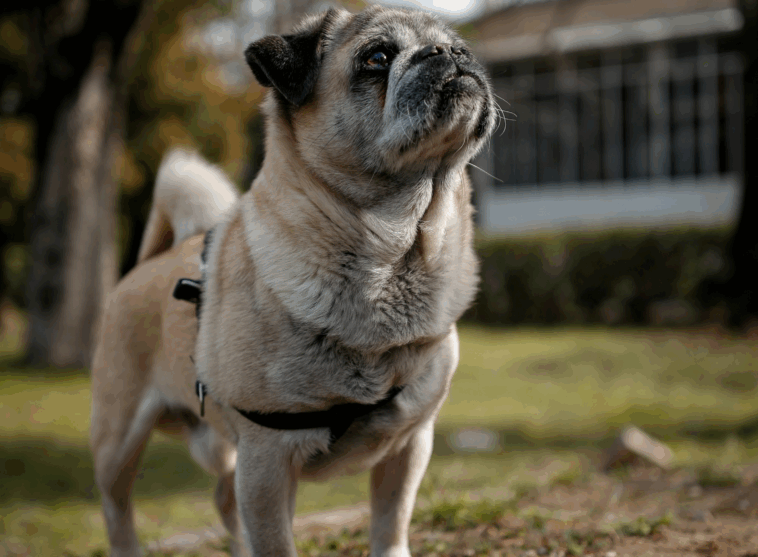
Training your Pug effectively requires a well-structured command list that ensures obedience, mental stimulation, and a strong bond between you and your furry companion. Pugs, known for their playful yet stubborn nature, thrive on consistent training with clear, concise commands.
In this comprehensive guide, we’ll cover:
-
Why a command list is essential for Pugs
-
Basic vs. advanced commands
-
Step-by-step training techniques
-
Common mistakes to avoid
-
Tips for reinforcing commands
By the end, you’ll have a fully optimized Pug command list that enhances discipline, engagement, and overall behavior.
Why a Command List is Crucial for Your Pug
Pugs are intelligent but easily distracted, making structured training vital. A well-defined command list helps:
Improve obedience – Reduces stubbornness and unwanted behaviors.
Strengthen bonding – Builds trust between you and your Pug.
Enhance safety – Commands like “Stay” or “Leave it” prevent accidents.
Boost mental stimulation – Prevents boredom and destructive habits.
Without a clear command structure, Pugs may develop selective hearing, ignoring cues when they please.
Basic Commands Every Pug Should Know
Start with these essential commands before progressing to advanced training.
1. Sit
-
Purpose: Foundation for impulse control.
-
How to Train:
-
Hold a treat near your Pug’s nose.
-
Move your hand upward, prompting them to sit.
-
Say “Sit” and reward immediately.
-
2. Stay
-
Purpose: Prevents running into dangerous situations.
-
How to Train:
-
Command “Sit”, then say “Stay” while stepping back.
-
Gradually increase distance before rewarding.
-
3. Come
-
Purpose: Ensures recall in emergencies.
-
How to Train:
-
Use a leash initially, say “Come” while gently guiding them.
-
Reward with treats and praise.
-
4. Down
-
Purpose: Encourages calm behavior.
-
How to Train:
-
Hold a treat near the ground, say “Down” as they lie down.
-
5. Leave It
-
Purpose: Stops them from grabbing harmful objects.
-
How to Train:
-
Place a treat in your hand, close it, and say “Leave it.”
-
Reward only when they stop trying to get it.
-
Advanced Commands for a Well-Trained Pug
Once your Pug masters the basics, introduce these advanced commands for better discipline.
6. Heel
-
Purpose: Prevents pulling on the leash.
-
How to Train:
-
Walk with treats at your side, saying “Heel” when they stay close.
-
7. Drop It
-
Purpose: Stops them from chewing inappropriate items.
-
How to Train:
-
Offer a toy, say “Drop it”, and reward when they release it.
-
8. Wait
-
Purpose: Teaches patience (e.g., before eating or exiting doors).
-
How to Train:
-
Use a hand signal with “Wait”, then release with “Okay.”
-
9. Speak & Quiet
-
Purpose: Controls excessive barking.
-
How to Train:
-
Encourage barking with “Speak”, then reward silence with “Quiet.”
-
10. Roll Over
-
Purpose: Fun trick that enhances agility.
-
How to Train:
-
Lure them with a treat in a circular motion while saying “Roll over.”
-
Common Training Mistakes to Avoid
Inconsistency – Switching commands confuses Pugs.
Skipping Rewards – Positive reinforcement is key.
Long Sessions – Pugs have short attention spans (5-10 minutes max).
Negative Reinforcement – Yelling or punishment creates fear.
Pro Tips for Reinforcing Commands
✔ Use High-Value Treats – Pugs love food motivation.
✔ Practice Daily – Short, frequent sessions work best.
✔ Incorporate Hand Signals – Helps with visual learners.
✔ Train in Different Environments – Ensures commands work everywhere.
Final Thoughts: Mastering the Pug Command List
A structured command list transforms your Pug into a well-behaved, happy companion. Start with basic obedience, progress to advanced tricks, and always reinforce with positive training methods.
By following this guide, you’ll boost your Pug’s responsiveness while strengthening your bond. Ready to train? Start today and watch your Pug thrive!