Hamza Sajjad
Introduction: Understanding Pug Health Risks
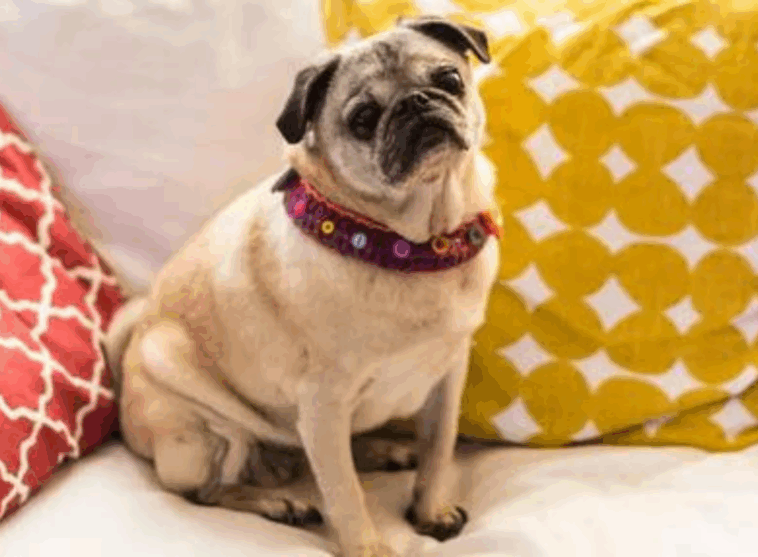
Pugs are also cute, loving, and have a lot of character, yet at the same time, they have a host of health problems because of their unique physical conditions. It is exposed to certain medical problems because of their flat faces (brachycephalic structure), wrinkled skin and small bodies. As a responsible owner of the pug, it is very important to be well aware of these common pug health problems, to identify them early, preventive and treat.
Here, in this comprehensive guide, we are going to look at the most common health issues in Pugs, how to recognize them, how to treat them, as well as what we can do to prevent them and make sure they do not interfere with the quality of life of your furry pal.
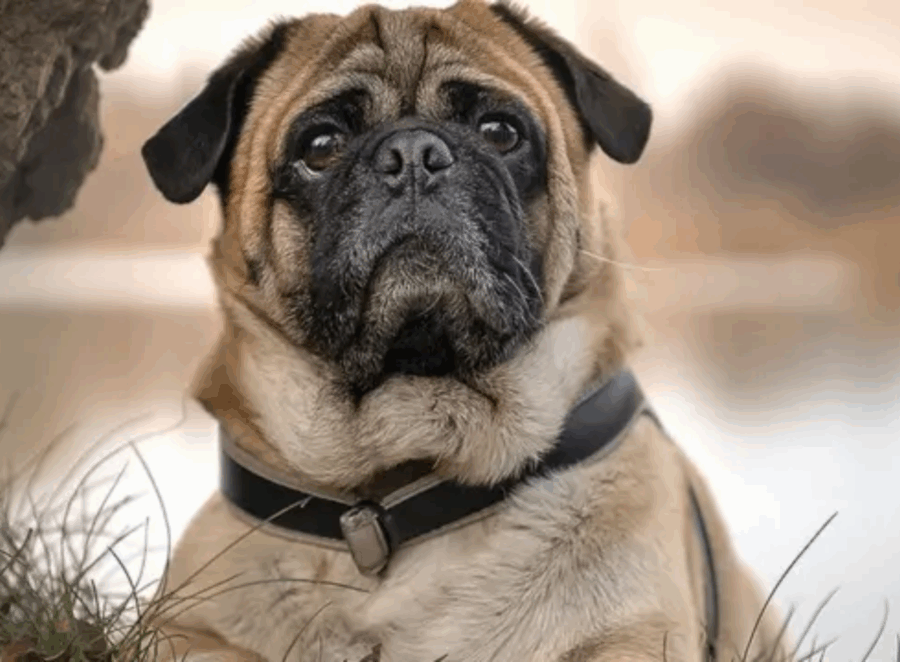
1. Brachycephalic Obstructive Airway Syndrome (BOAS)
What is BOAS?
Pugs also have breath difficulties as they have a shortened skull and flat face which narrows the breathing tubes. This syndrome, called Brachycephalic Obstructive Airway Syndrome (BOAS) triggers breathing problems, snoring and heat stress.
Symptoms of BOAS in Pugs
-
Loud snoring or snorting
-
Gagging or choking
-
Exercise intolerance
-
Blue-tinged gums (cyanosis) from lack of oxygen
Treatment & Prevention
-
Weight management (obesity worsens BOAS)
-
Avoid overheating (pugs overheat easily)
-
Surgical correction (in severe cases)
2. Pug Eye Problems (Proptosis, Dry Eye, Corneal Ulcers)
Why Are Pugs Prone to Eye Issues?
Pugs have bulging eyes (exophthalmos), making them vulnerable to injuries and infections.
Common Pug Eye Conditions
-
Proptosis (Eye Displacement) – Eye pops out of the socket (emergency!)
-
Keratoconjunctivitis Sicca (Dry Eye) – Lack of tear production
-
Corneal Ulcers – Scratches on the eye surface
Prevention & Care
Daily eye cleaning
Use dog friendly eye drops
Prevent trauma with no rough play
3. Skin Fold Dermatitis (Wrinkle Infections)
Why Do Pugs Get Skin Infections?
Pugs have veins and folds of flesh which goes deep down and clog with moisture, bacteria and yeast on their face.
Symptoms of Skin Fold Dermatitis
Skin that stinks, bleeds and throws off pus
Excessive scratching
Degeneration of reproduction, baldness, loss of hair in the subject areas
Treatment & Prevention
Cleaning with pet-safe wipes daily
Dry folds 2
Creams (if infected) (if infected) antifungal/antibacterial
4. Hip Dysplasia & Joint Problems
Why Are Pugs at Risk?
Although being small in size, pugs are prone to genetic genesis and obesity-related problems of hip dysplasia and patellar luxation.
Signs of Joint Issues
Limbing or stiffness
Trouble with jumping or climbing stairs
pain near hips.
Management & Prevention
Weight control
Pubic joint comercialas (glucosamine)
Low-impact exercise
5. Pug Encephalitis (PDE) – A Fatal Brain Disease
What is PDE?
Pug Dog Encephalitis (PDE) is a serious and fatal disease of the brain that is inflamed causing its death among the young to middle-aged Pugs.
Symptoms of PDE
Seizures
Circling/ head pressing
Loss of vision or confusion/ changes in behavior
Treatment Options
Unfortunately, no cure, but an anti-seizure medication may help symptoms
Genetic testing (petscreen & some breeders know the risk of PDE).
6. Obesity & Weight-Related Health Issues
Why Are Pugs Prone to Obesity?
The pug enjoys food yet they are of low energy levels, which make them gain weight easily.
Health Risks of Obesity in Pugs
Worsens BOAS
Enhances joint strain
Causes, diabetes
How to Keep Your Pug Fit
Portion control is very tight.
Treats (red,green, yellow carrots, string and snow green beans)
Begin with occasional short walk
7. Dental Problems (Tooth Decay & Gum Disease)
Why Do Pugs Have Bad Teeth?
Their small jaws result to their teeth becoming overcrowded thus there is plaque buildup.
Popular Dental Problems
Periodontal disease
Tooth loss
Halitosis (bad breath)
Prevention Tips
Brushing of teeth on a daily basis
Dental chews
Professional cleanings
Final Thoughts: How to Keep Your Pug Healthy
Pugs are fantastic pets but due to their anatomy, they are susceptible to health problems. A long-lasting healthy lifestyle Your pug will be more likely to live a longer and healthier life with regular vet checkups, proper grooming, weight fixation and early symptom monitoring.
Key Takeaways:
Breathing monitoring and cool overheating (BOAS)
Clean wrinkles and eyes every day
Keep down a healthy weight
Book an appointment to the vet regularly
The suggestion given above will help you avoid widespread pug health issues and see your pet remain cheerful and active in the upcoming years!