Hamza Sajjad

Introduction
Pugs are affectionate, loyal, and love being close to their owners. One common question among pug owners is: Can pugs sleep in your bed? The answer isn’t just a simple yes or no—it involves understanding the benefits, risks, and best practices for sharing your bed with your pug.
In this comprehensive guide, we’ll explore:
- The pros and cons of letting your pug sleep in your bed
- Health and safety considerations
- Behavioral impacts of co-sleeping
- Expert tips for a comfortable sleep routine
By the end, you’ll know whether bed-sharing with your pug is the right choice for both of you.
Should Your Pug Sleep in Your Bed? The Pros and Cons
Benefits of Letting Your Pug Sleep in Your Bed
1. Strengthens the Bond Between You and Your Pug
Pugs are companion dogs that thrive on human interaction. Sleeping together reinforces trust and deepens your emotional connection.
2. Provides Comfort and Security
Pugs often suffer from separation anxiety. Having you nearby at night can reduce stress and help them sleep better.
3. Keeps You Warm
Pugs are natural snugglers! Their body heat can be comforting, especially in colder months.
4. Encourages Better Sleep for Some Owners
The rhythmic breathing of a pug can have a calming effect, helping some people fall asleep faster.
Potential Downsides of Sharing Your Bed with a Pug
1. Allergies and Hygiene Concerns
Pugs shed, drool, and can bring dirt into your bed. If you have allergies, this might not be ideal.
2. Disrupted Sleep
Pugs snore, grunt, and move around—potentially disturbing light sleepers.
3. Behavioral Issues
Some pugs may develop dominance or clinginess if allowed in bed without boundaries.
4. Health Risks for Your Pug
Pugs are prone to breathing difficulties (Brachycephalic Syndrome). If they struggle to breathe at night, elevated sleeping might be safer.
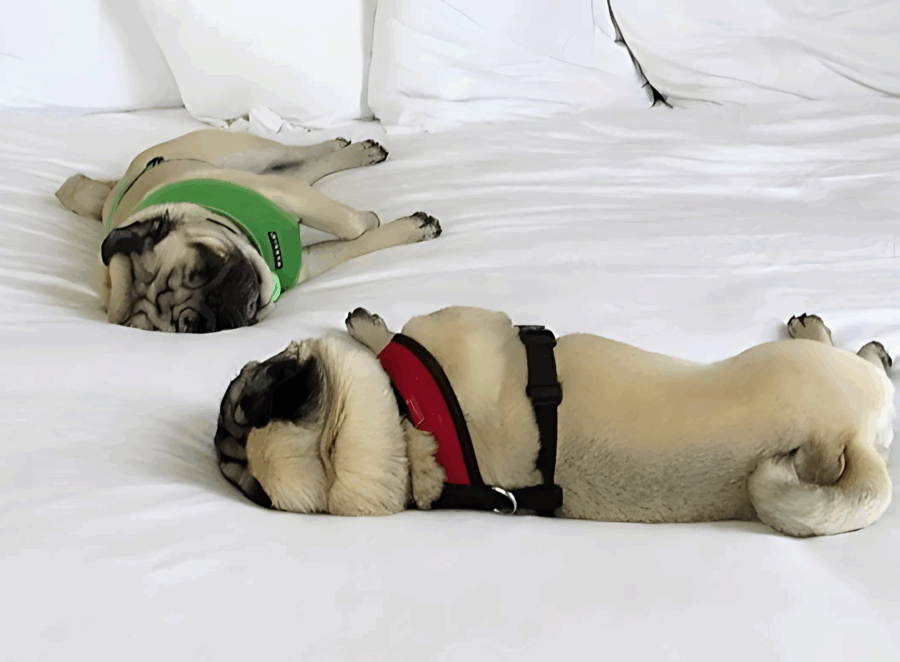
Health & Safety Considerations for Pugs Sleeping in Bed
1. Breathing Problems & Overheating
Pugs have short snouts, making them prone to overheating and respiratory issues. Ensure your room is cool and well-ventilated.
2. Joint and Spine Health
Pugs can develop back problems (like IVDD). Jumping on and off high beds may strain their spine. Consider pet stairs or ramps.
3. Parasites & Cleanliness
Regular flea/tick prevention and grooming are essential if your pug shares your bed. Wash bedding frequently to avoid allergens.
4. Risk of Accidental Injury
Rolling over onto a small pug in sleep is a real danger, especially for deep sleepers.
How to Safely Share Your Bed with a Pug
Train Your Pug to Sleep in a Designated Spot
Use a small dog bed or blanket on your bed to establish boundaries.
Keep the Bedroom Cool & Well-Ventilated
Pugs overheat easily—use a fan or air conditioning if needed.
Maintain a Consistent Sleep Routine
Train your pug to sleep at the same time every night to avoid disturbances.
Groom Your Pug Regularly
Brush their coat and clean their wrinkles to minimize shedding and odor.
Monitor for Signs of Discomfort
If your pug pants excessively or struggles to breathe, consider a dog bed on the floor instead.
Alternatives to Letting Your Pug Sleep in Your Bed
If bed-sharing isn’t ideal, try these alternatives:
-
A cozy dog bed next to yours (for closeness without the risks)
-
A crate with soft bedding (great for pug puppies)
-
An elevated cooling bed (helps with breathing and joint support)
Final Verdict: Should Your Pug Sleep in Your Bed?
The decision depends on your lifestyle, health, and your pug’s needs. If you:
Don’t have allergies
Can handle some snoring
Ensure a safe sleeping environment
Then, yes—your pug can happily sleep in your bed! However, if you’re a light sleeper or your pug has health issues, a nearby dog bed might be better.
FAQ: Can Pugs Sleep in Your Bed?
1. Is it bad to let my pug sleep with me?
Not necessarily, but monitor for breathing issues and hygiene concerns.
2. Do pugs like to cuddle at night?
Yes! Pugs love warmth and closeness.
3. How can I stop my pug from snoring in bed?
Elevate their head with a pillow or use a humidifier to ease breathing.
4. Will letting my pug sleep in my bed make them clingy?
It can, if not balanced with independent training.
Conclusion
Pugs are loving companions who enjoy being near their owners, but bed-sharing requires careful consideration. By weighing the pros and cons, ensuring safety, and maintaining hygiene, you can decide whether co-sleeping with your pug is right for you.
Want more pug care tips? Subscribe to our newsletter for expert advice!