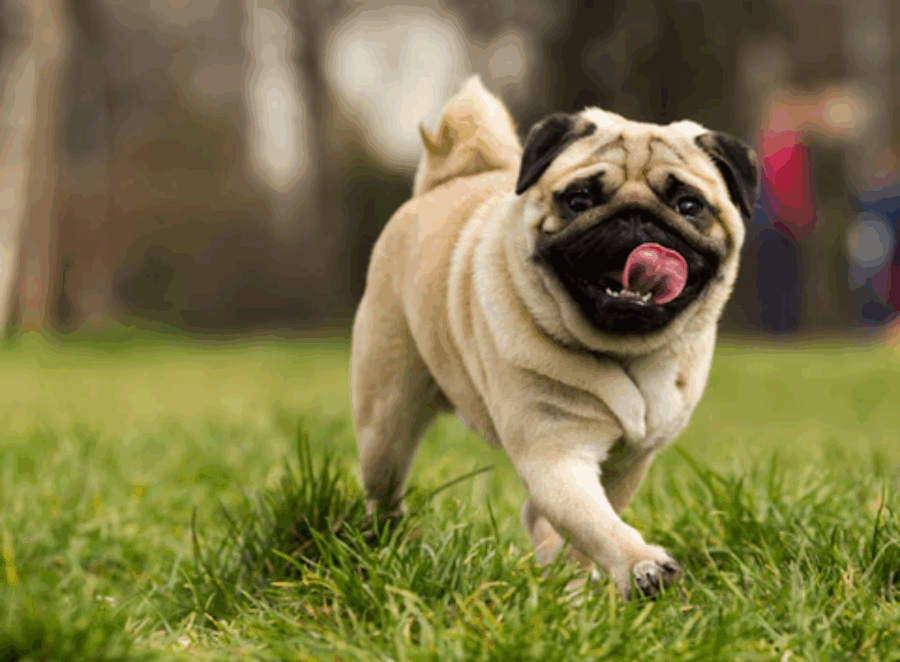
Hamza Sajjad
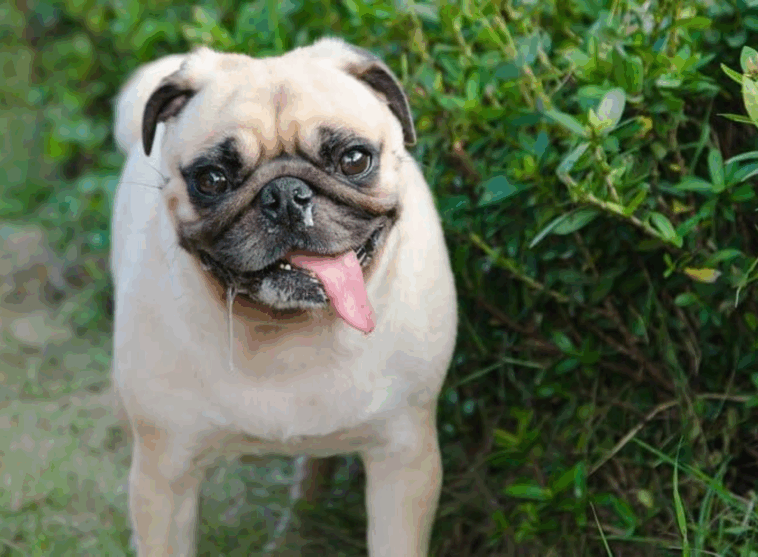
Introduction: Understanding Pugs and Heat Sensitivity
Pugs are one of the most beloved dog breeds, known for their charming personalities and adorable wrinkled faces. However, their unique physiology makes them highly vulnerable to hot climates. If you live in a warm region or are considering adopting a Pug, it’s crucial to understand how heat affects them and what precautions you must take to keep them safe.
This in-depth guide explores:
-
Why Pugs struggle in hot weather
-
Health risks associated with heat exposure
-
Best practices for keeping a Pug cool
-
Signs of heatstroke and emergency measures
-
Long-term care tips for Pugs in tropical climates
By the end of this article, you’ll know exactly how to ensure your Pug stays healthy and happy, even in scorching temperatures.
Why Pugs Are Vulnerable in Hot Climates
1. Brachycephalic (Short-Nosed) Structure
Pugs belong to the brachycephalic breed category, meaning they have short snouts and flat faces. This anatomy restricts airflow, making it difficult for them to pant efficiently—their primary cooling mechanism.
2. Poor Temperature Regulation
Unlike dogs with longer muzzles, Pugs cannot dissipate heat quickly. Their compact airways and thick bodies trap heat, increasing the risk of overheating even in moderately warm weather.
3. Thick Double Coat
Pugs have a dense double coat that insulates them, which is great for cold climates but dangerous in heat. Their fur traps body heat, making them prone to rapid overheating.
4. Low Stamina & High Risk of Obesity
Many Pugs are less active and prone to weight gain, which further reduces their ability to tolerate heat. Overweight Pugs face even greater risks in hot environments.\
Health Risks for Pugs in Hot Weather
1. Heatstroke (Life-Threatening Emergency)
Pugs can suffer from heatstroke within minutes if exposed to high temperatures. Symptoms include:
-
Excessive panting & drooling
-
Bright red gums
-
Lethargy or collapse
-
Vomiting or diarrhea
-
Seizures or unconsciousness
Immediate Action Required: Move the dog to a cool area, apply cool (not icy) water, and seek veterinary help immediately.
2. Dehydration & Heat Exhaustion
Even mild dehydration can be dangerous. Signs include:
-
Dry nose and gums
-
Sunken eyes
-
Loss of skin elasticity
3. Worsening of Respiratory Issues
Hot, humid air can exacerbate breathing difficulties, leading to respiratory distress.
How to Keep a Pug Safe in Hot Climates
1. Control Their Environment
-
Keep Indoors with AC or Fans: Never leave a Pug outside in extreme heat.
-
Use Cooling Mats & Vests: These help regulate body temperature.
-
Provide Shade & Ventilation: If outdoors, ensure constant airflow.
2. Hydration is Critical
-
Always provide fresh, cool water.
-
Carry a portable water bottle during walks.
-
Offer ice cubes or frozen treats for extra cooling.
3. Adjust Exercise Routines
-
Walk Early Morning or Late Evening: Avoid midday heat.
-
Short, Gentle Walks Only: Overexertion can be deadly.
-
Avoid Hot Pavement: It can burn their paws—test with your hand first.
4. Grooming & Coat Care
-
Regular Brushing: Removes excess fur to improve airflow.
-
Avoid Shaving: Their coat protects against sunburn—consult a vet before trimming.
5. Monitor for Overheating Signs
Always watch for:
-
Heavy panting
-
Glazed eyes
-
Stumbling or weakness
Can Pugs Adapt to Hot Climates?
While Pugs can survive in warm regions, they will never thrive in extreme heat without proper care. Owners must take proactive measures to prevent life-threatening conditions.
Best Locations for Pug Owners
-
Moderate climates (e.g., coastal areas with mild temperatures)
-
Air-conditioned homes (essential for tropical regions)
If you live in a consistently hot area, consider whether you can provide the necessary care before adopting a Pug.
Final Verdict: Can Pugs Live in Hot Climates?
Yes, but with extreme caution. Pugs are high-maintenance in hot weather and require constant monitoring. If you’re committed to providing a cool, safe environment, a Pug can live comfortably otherwise, a more heat-tolerant breed may be a better choice.
Key Takeaways:
✔ Never leave a Pug in direct heat
✔ Always provide water & cooling aids
✔ Avoid intense outdoor activities in summer
✔ Recognize heatstroke symptoms early
By following these guidelines, you can ensure your Pug stays healthy and happy, even in warmer climates.