Hamza Sajjad

Introduction: Understanding Zoonotic Diseases and Pugs
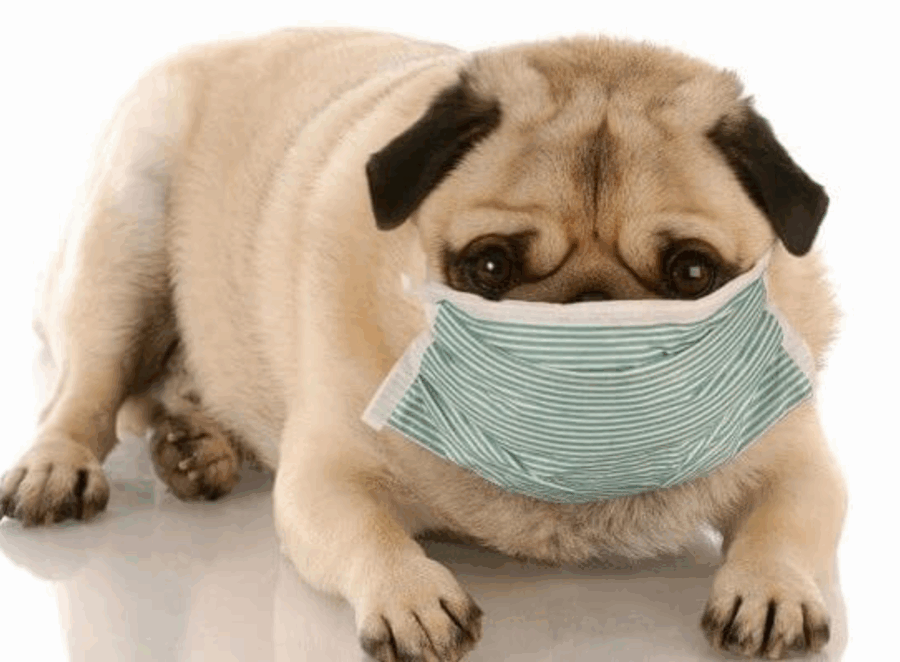
As a pug owner, you might wonder Can pugs get COVID or other human illnesses? The short answer is yes, but the situation is more complex than a simple yes or no. Pugs, like other dogs, can contract certain human diseases, including COVID-19, though the risks and symptoms differ from those in humans.
This in-depth guide explores:
-
Can pugs get COVID-19? (Transmission, symptoms, and risks)
-
Other human illnesses pugs can catch (Zoonotic diseases)
-
How to protect your pug from infections
-
When to seek veterinary care
-
Myths vs. facts about pugs and human diseases
By the end, you’ll have a science-backed understanding of how human illnesses affect pugs and how to keep your furry friend safe.
Can Pugs Get COVID-19? What Science Says
1. COVID-19 in Dogs: How Likely Is Transmission?
Research confirms that dogs, including pugs, can contract SARS-CoV-2 (the virus causing COVID-19), but cases are rare and usually mild. According to the CDC and WHO, most infected dogs caught the virus from close contact with COVID-positive humans.
Key Findings:
-
Low susceptibility: Dogs are less prone to COVID-19 than humans.
-
Mild symptoms: Infected pugs may show coughing, sneezing, lethargy, or loss of appetite—but severe cases are uncommon.
-
No major spread among dogs: Unlike humans, dogs don’t easily transmit COVID-19 to each other.
2. Should Pug Owners Worry About COVID-19?
While the risk is low, brachycephalic breeds (like pugs) face higher respiratory risks. If your pug shows breathing difficulties, fever, or nasal discharge, consult a vet.
Prevention Tips:
-
If you have COVID-19, limit close contact with your pug.
-
Wash hands before handling your dog.
-
Disinfect surfaces your pug frequently touches.
Other Human Illnesses Pugs Can Catch
Besides COVID-19, several zoonotic diseases (infections transmitted between animals and humans) can affect pugs.
1. Influenza (Dog Flu vs. Human Flu)
-
Canine Influenza (H3N8 & H3N2): Highly contagious among dogs but not the same as human flu.
-
Human Flu (H1N1): Rarely, pugs can get infected if exposed to a sick owner. Symptoms include coughing, fever, and lethargy.
2. Common Cold (Can Dogs Catch It?)
-
No, pugs cannot catch the human cold virus (rhinovirus).
-
However, they can get canine respiratory infections (kennel cough) with similar symptoms.
3. Bacterial Infections (Strep, Salmonella, etc.)
-
Salmonella: Pugs can get it from raw food or contaminated surfaces.
-
Strep Infections: Rare, but possible through open wounds or saliva contact.
4. Fungal Infections (Ringworm, Yeast Infections)
-
Ringworm: Highly contagious between humans and dogs. Look for circular bald patches.
-
Yeast Infections: Common in pugs’ skin folds due to moisture buildup.
How to Protect Your Pug from Human Illnesses
1. Hygiene Practices
-
Wash hands before and after handling your pug.
-
Avoid sharing food (especially raw or undercooked items).
-
Clean their wrinkles daily to prevent bacterial/fungal growth.
2. Vaccinations & Regular Vet Visits
-
Core vaccines (rabies, distemper) are essential.
-
Optional vaccines (canine flu) if your pug is often around other dogs.
3. Recognizing Symptoms Early
Watch for:
-
Lethargy
-
Coughing/sneezing
-
Diarrhea/vomiting
-
Skin rashes or hair loss
If symptoms persist beyond 24-48 hours, see a vet immediately.
Myths vs. Facts About Pugs and Human Diseases
❌ Myth: “Pugs can’t catch any human diseases.”
✅ Fact: They can get some (like COVID-19, ringworm) but not all (common cold).
❌ Myth: “If I have COVID, my pug will definitely get it.”
✅ Fact: Transmission is possible but rare—most dogs recover quickly.
❌ Myth: “Pugs get sick more than other breeds.”
✅ Fact: Their short snouts make them prone to respiratory issues, but they aren’t inherently sickly.
Final Thoughts: Keeping Your Pug Safe & Healthy
While pugs can contract some human illnesses (like COVID-19), the risk is generally low. Good hygiene, vaccinations, and early symptom detection are key to protecting your pug.
Key Takeaways:
✔ Pugs can get COVID-19 but usually experience mild symptoms.
✔ Other zoonotic diseases (ringworm, salmonella) are more common.
✔ Prevent infections with hygiene, vet visits, and proper care.
By staying informed, you can ensure your pug stays happy, healthy, and safe from human-borne illnesses.