Hamza Sajjad
Introduction
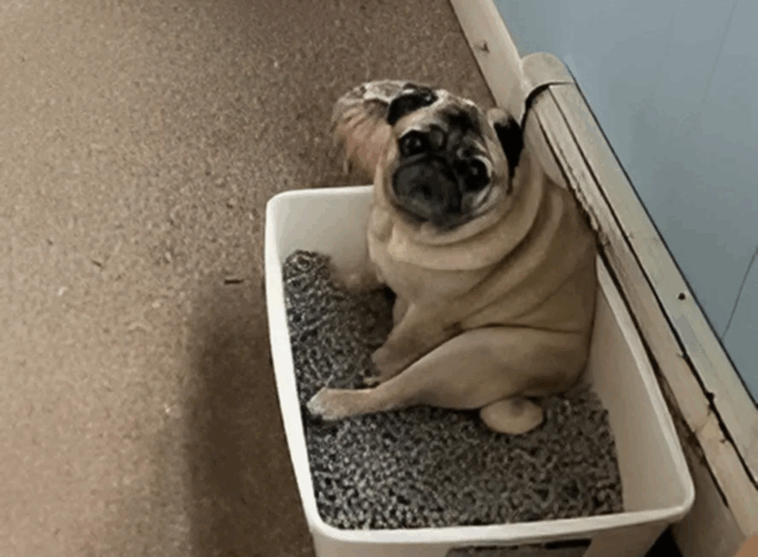
Pugs are adorable, affectionate, and intelligent dogs, but their small size and sometimes stubborn nature can make potty training a challenge. Many pet owners wonder: Can pugs be trained to use a litter box? The answer is yes—with patience, consistency, and the right approach, pugs can successfully learn to use a litter box, especially in apartments or homes without easy outdoor access.
This comprehensive guide covers everything you need to know about litter box training a pug, including:
-
The feasibility of litter training for pugs
-
Step-by-step training methods
-
Choosing the right litter box and litter type
-
Common challenges and solutions
-
Health considerations
By the end, you’ll have a clear, actionable plan to help your pug master litter box habits efficiently.
Can Pugs Really Use a Litter Box?
While litter boxes are commonly associated with cats, small dog breeds like pugs can also adapt to them. Pugs are intelligent and eager to please, making them good candidates for indoor potty solutions. However, their natural instinct is to eliminate outdoors, so training requires positive reinforcement and consistency.
Why Consider a Litter Box for Your Pug?
-
Apartment living – No backyard? A litter box provides a convenient alternative.
-
Bad weather conditions – Avoid rainy or snowy outdoor trips.
-
Senior or disabled pugs – Older dogs or those with mobility issues benefit from indoor options.
-
Puppy training – Helps with early housebreaking before full outdoor training.
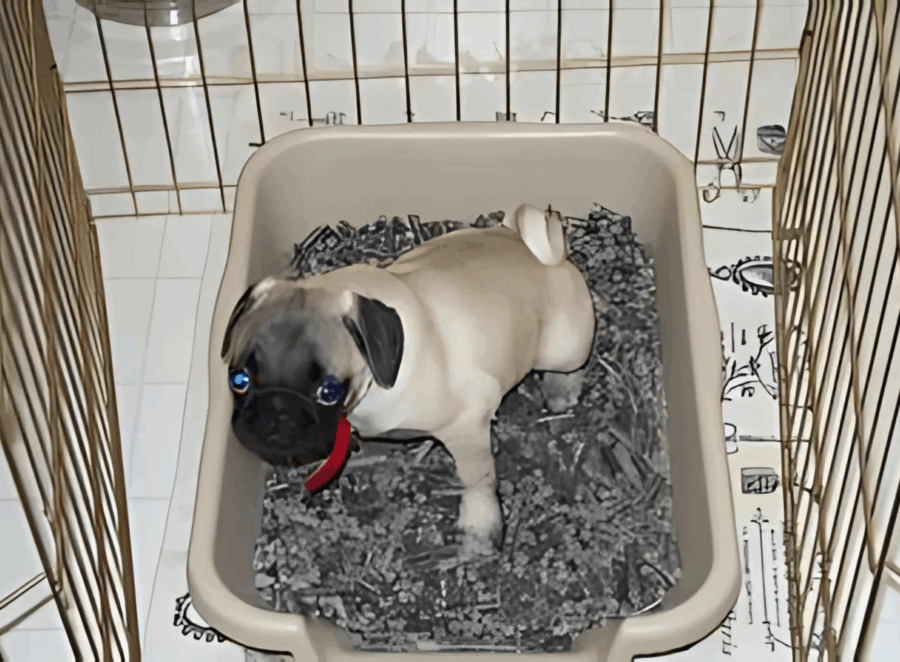
Step-by-Step Guide to Litter Box Training Your Pug
1. Choose the Right Litter Box
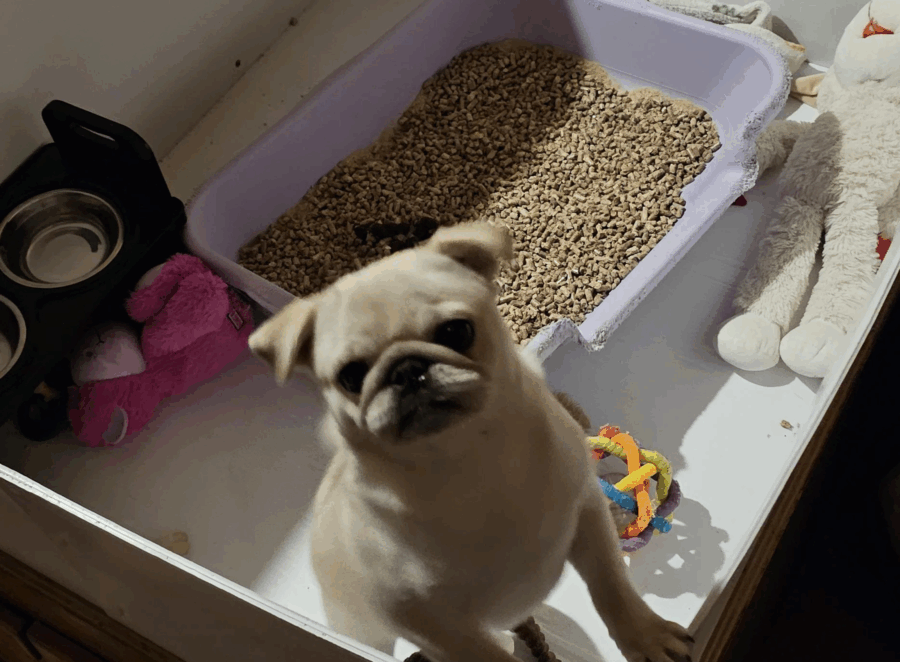
Pugs are small but need enough space to turn around comfortably. Consider:
-
Size: A low-entry, large tray (like those made for small dogs or cats).
-
Material: Easy-to-clean plastic or stainless steel.
-
Location: A quiet, low-traffic area where your pug feels secure.
Pro Tip: Some owners use puppy pads inside the box for easier cleanup.
2. Select the Best Litter
Avoid clumping cat litter (can be harmful if ingested). Instead, opt for:
-
Paper-based pellets (safe and absorbent)
-
Dog-specific litter (designed for odor control)
-
Artificial grass patches (mimics outdoor feel)
3. Introduce Your Pug to the Litter Box
-
Familiarization: Let your pug sniff and explore the box without pressure.
-
Encourage Use: Place them in the box after meals, naps, or playtime.
-
Reward Success: Immediately praise and treat when they use it correctly.
4. Reinforce Consistent Habits
-
Stick to a schedule (e.g., after waking up, eating, or every 2-3 hours).
-
Use a command like “Go potty” to create an association.
-
Clean accidents immediately with enzyme cleaner to remove odors.
5. Troubleshoot Common Issues
-
Avoiding the Box? Try moving it to a better location.
-
Digging or Playing in Litter? Use a covered box or larger pellets.
-
Accidents Outside? Restrict access to other areas until training solidifies.
Health Considerations for Litter-Trained Pugs
-
Urinary Issues: Frequent accidents may signal a UTI—consult a vet.
-
Ingesting Litter: Monitor for chewing; switch to safer alternatives if needed.
-
Hygiene: Clean the box daily to prevent bacterial buildup.
Final Thoughts: Is a Litter Box Right for Your Pug?
Litter box training is absolutely possible for pugs, especially with patience and positive reinforcement. While not all pugs will take to it immediately, consistent training can make it a viable solution for indoor potty needs.
Key Takeaways:
Start early for best results (but adult pugs can learn too!).
Choose the right litter box and filler for comfort and safety.
Reward good behavior and stay patient with setbacks.
Monitor health to ensure no underlying issues affect training.
By following this guide, you’ll successfully train your pug to use a litter box, making life easier for both of you!