Dr. Huzaifa Shayan (Veterinarian/ Deep Researcher)
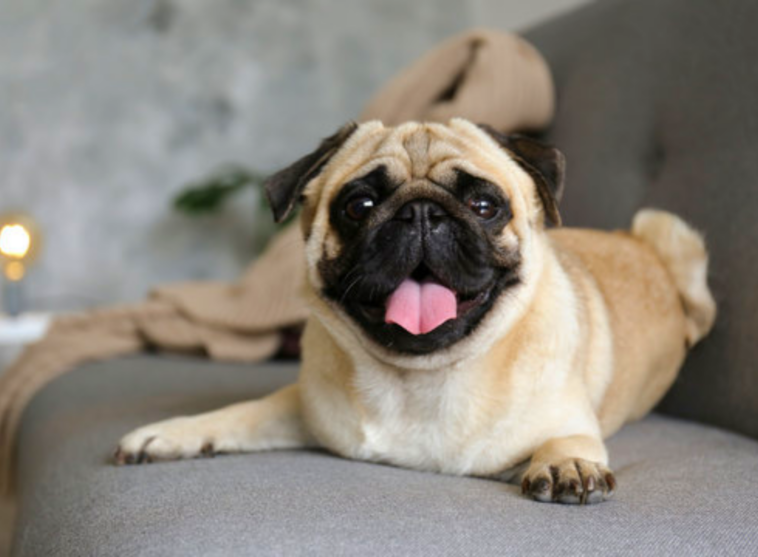
Brachycephalic Obstructive Airway Syndrome: Symptoms, Causes and Treatment.
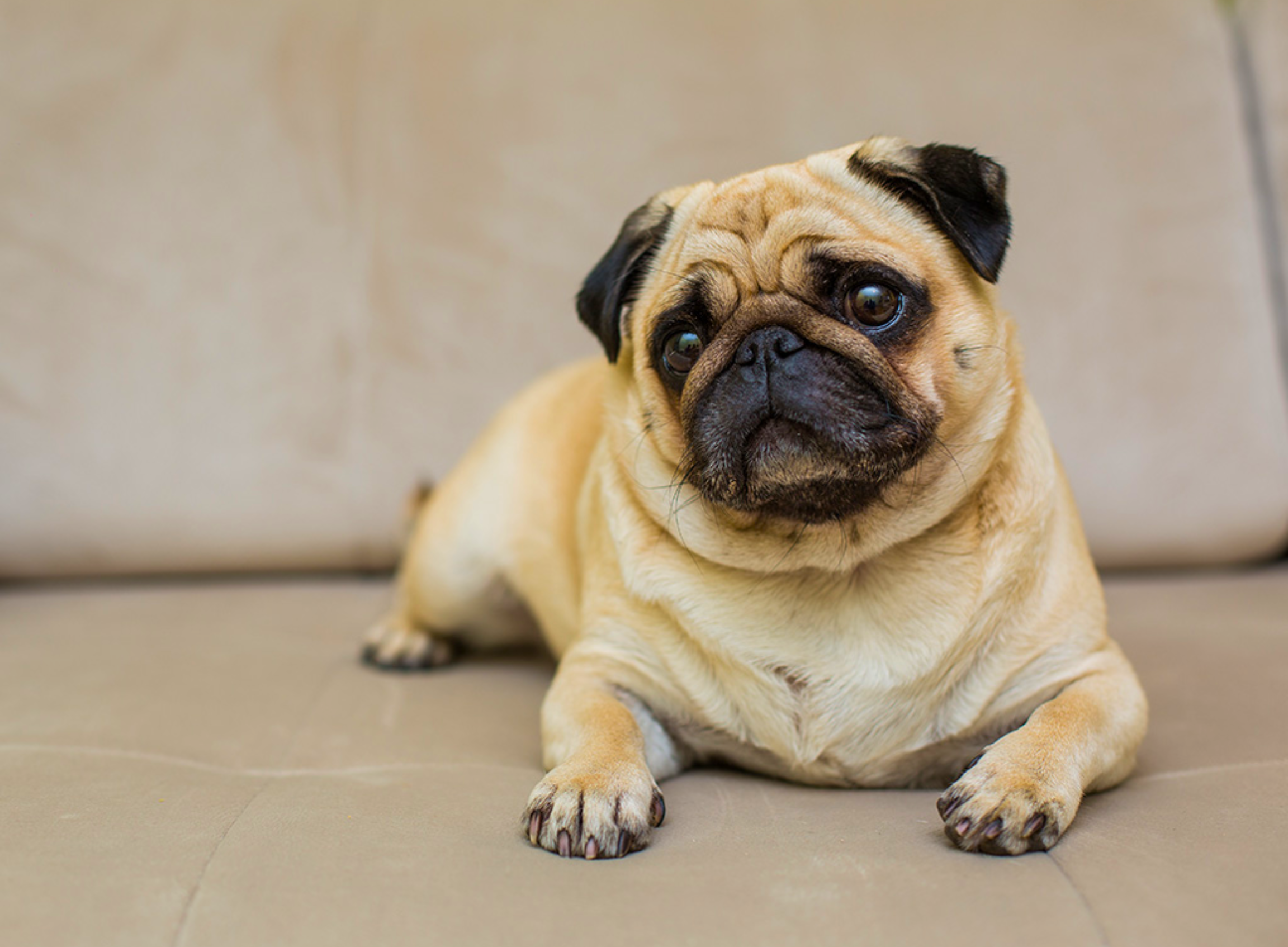
That pug of yours breathes his last after going up the stairs. On hot days, they fall when they are walking. The snoring leaves you awake at night and you can see that their gums turn blue when they are playing. These are not mere peculiarities of breeds, they are the symptoms of a severe medical disease may be BOAS which can be found in almost all living pugs today.
A debilitating condition that is related to the excessive flattening of the facial features seen in modern pugs is Brachycephalic obstructive airway syndrome (BOAS). Their wrinkled faces might be cute but the anatomy beneath this causes breathing problems that are life threatening. Knowing BOAS will enable you to identify the symptoms in time, pursue proper treatment, and may save the life of your companion by years.
What Is brachycephalic Obstructive Airway Syndrome?
Defining the Condition
Brachycephalic obstructive airway syndrome is a set of anatomical defects that put the airflow in flat-faced dog breeds into a acute restriction. The word brachycephalic translates to the short head, which is the narrow head shape, which was formed in the breeding process as a result of selective breeding.
BOAS is not just one defect, but many structural issues that happen at the same time:
Primary Abnormalities of the anatomy:
- Stenotic Nares: Nostrils that are narrow and or collapsed preventing the intake of air.
- Long Soft Palate: This leads to an excessive amount of throat tissue which obstructs the airway opening.
- Hypoplastic Trachea: Windpipe that is too narrow to allow air into lungs.
- Everted Laryngeal Saccules: Small tissue pouches, which are dragged to airway due to the breathing effort.
- Laryngeal Collapse: Severe airway blockage of respiratory stress of a chronic nature.
The Underlying Problem
However, the harsh breeding of the pug through selective breeding, in the last 150 years, shrunk the skull of the pugs to about half its original length. This compression did not, however, proportionately decrease the quantity of the soft tissues (tongue, palate, nasal organs).
Consider it in the following way: consider putting a queen-size comforter into a storage bag of a twin-size. The wasted material piles up, folds and occupies space. And this is just what happens in the airways in your pug, too much of the stuff in too little room.
Prevalence in Pugs
The studies indicate the frightening statistics:
- Moderate to severe BOAS symptoms are demonstrated in 45-58% of pugs.
- Almost all of them have a certain level of airway impairment.
- Pugs are one of the top 3 worst breeds most affected by brachycephaly.
- The symptoms normally become worse with age when they are not treated.
Recognizing BOAS Symptoms
Early Warning Signs
Early detection of BOAS enhances outcome of the treatment:
Mild Indicators:
- Snorting when exercise occurs.
- Snorting or snoring during the wakefulness.
- Breathing after mild physical exercise.
- Problem with falling asleep.
- Gagging once in a while when excited.
Progressive Symptoms
With the progression of the condition, additional disturbing symptoms appear:
Moderate Symptoms:
- Complained of breathlessness even when resting.
- Much less exercise tolerance.
- Excessive heat at low temperatures (70-75degF).
- Regurgitation of frequently vomiting.
- Interrupted breathing patterns of sleep apnea.
- During activity, gums of blue-tint.
Severe Manifestations
The progressive BOAS causes life-threatening conditions:
Critical Warning Signs:
- Fainting or collapse.
- Unconsciousness of being able to lie down without breathing (has to sleep sitting).
- Cyanotic (blue) tongue or gums.
- Choking sounds with respiratory distress.
- Severe coma at lack of oxygen.
- Anorexia because of difficulty in breathing.
Health Complications Secondary
BOAS provokes the development of other medical issues:
- Gastrointestinal Problems: Chronic reflux, esophagitis and chronic vomiting.
- Cardiovascular Strain: The heart is enlarged as it is working harder to pump up blood that has lost oxygen.
- Risk of Heat Stroke: The inability to cool down by normal means of panting.
- Aspiration Pneumonia: This is an inhalation of vomit or stomach acid into the lungs.
- Premature Death: Shorter life span (3-5 years) than the healthy brachycephalic dogs.
Understanding BOAS Causes
Genetic Basis
The result of the selective breeding methods is BOAS:
Historical Context:
- Breeders of the Victorian era preferred more and more flat faces.
- The standards of kennel clubs promoted extreme features.
- Every generation was further and further squeezed.
- The concern about health was placed second to looks.
Hereditary bodily Characteristics
There are several problematic features Pugs inherits:
- Reduction of maxilla and mandible bones (jaw structure).
- Eosinopenic (decreased nasal cavity) by 60-70%.
- Imbalanced levels of soft tissue.
- The trachea is small (narrow, 60% smaller than expected).
Contributing Factors
Although genetic factors define the ground level risk, there are some factors that increase the symptoms:
Higher-weight:
- Additional weight is a load on breathing.
- Airways are further compressed by fat deposits.
- Even 2-3 pounds higher-weight is a severe aggravator of symptoms.
Age:
- Chronic breathing exertion leads to tissue damage.
- The laryngeal collapse occurs with time.
- Airway constriction is aggravated by inflammatory changes.
Environmental Conditions:
- Breathing problems are aggravated by heat and humidity.
- Respiratory distress is caused by stress.
- Existing weakened airways are inflamed by allergens.
Treatment Options for BOAS
Conservative Management
Mild cases can be treated by non-surgical treatment:
Weight Management:
- Keep optimum body weight (14-18 pounds in the majority of pugs).
- Measured specific proportions by use of body condition score.
- Gradually increase the activities as much as possible.
- Monitor weight weekly.
Environmental Modifications:
- Continuous air conditioning during hot seasons.
- Cooling mats and fans should be used to regulate the temperature.
- Exercise should be avoided in temperatures above 70 deg F.
- Keep humidity levels below 60%.
Equipment Changes:
- Substitute collars with harnesses.
- Apply front-clip harnesses to alleviate the amount of throat pressure.
- Do not have the retractable leashes that promote pulling.
Medical Interventions
Drugs that are supportive treat secondary complications:
- Franklin therapy in acute exacerbations.
- Gastrointestinal reflux drugs.
- Respiratory crisis oxygen therapy.
- Antidepressants to lessen difficulty in breathing due to stress.
Surgery on the BOAS: the Ultimate Solution
Surgical correction is the most effective in the long term in case of moderate to severe cases.
Common Surgical Procedures
Stenotic Nares Correction:
- Margins tissue wedges in nostrils.
- Widens nostril openings by 50-100%.
- Improvement of breathing at the moment.
- Can be done during as early as 6-12 months.
Soft Palate Resection:
- Reduces the length of the palate tissue.
- Avoids blockage of the airways.
- Applies laser, scalpel or electrocautery.
- Most effective single operative BOAS.
Laryngeal Sacculectomy:
- Destroys protruded tissue of larynx.
- Remedy secondary alterations of chronic breathing effort.
- Combined with other processes in general.
BOAS Surgery Pugs Outcomes
Studies prove to be of great help:
Success Rates:
- 85-92% exhibit a marked improvement of the symptoms.
- Exercise tolerance enhances 50-200 per cent.
- The quality of sleep improves significantly.
- Heat tolerance normalizes.
- There is an increase in life expectancy of 2-4 years.
Surgical Costs and Timeline
Financial Investment:
- Comprehensive BOAS surgery: $2,500-$5,000
- Individual procedures: $500-$3,500 each
- Emergency surgery: $3,000-$8,000
- Pricing is influenced by geographical variation.
Recovery Period:
- Hospital stay: 1-3 days
- Activity restriction: 2-3 weeks
- Complete healing: 4-6 weeks
- Maximum profit payback: 6-12 months.
Mistakes that Pug Owners Make
Desensitization to Breathing difficulty
- The worst mistake is to think that extreme respiratory distress is normal to the breed. When the pug finds it hard to breathe, then this is not a normal behavior of the breed that can be considered as a medical emergency.
Biding Time before an Emergency
- Putting off the treatment until advanced disease creates crisis implies treating an advanced disease with worse results. Surgery at an early age helps in avoiding those complications that cannot be reversed such as laryngeal collapse.
Permitting Gaining of Weight
- Exponential airway obstruction is caused by obesity. Any minor weight gains severely exacerbate the symptoms of BOAS. Be very strict when it comes to weight control.
Working Out at the wrong time
- In a hot day, or with damp weather, taking your pug out, with BOAS, may cause heat stroke and kill him. Plan all the work in cool morning or in evening times.
Overlooking Changes in color
- Bluish gums or tongue is a sign of lack of oxygen and it is a medical emergency that needs emergency treatment by the veterinarian. Should not undervalue cyanosis.
Pro Tips for Managing BOAS
- Record all this on video. Monitor breathing patterns when resting, having light activities and stressing. This video provides veterinarians with the opportunity to define the severity and progression of such cases properly.
- Early incite quality pet insurance. Sign up with your healthy pug that is still young. Many owners that are not covered cannot afford to treat their pets through BOAS.
- Build emergency protocols. What is your closest 24-hour emergency center? Contact information should be available and familiarity with quickest routes should be known before crisis strikes.
- Become part of brachycephalic community of breed. Network with other owners and experts familiar with the issues of BOAS and can offer useful advice.
- Think of surgical intervention in advance. Wait not until the symptoms are severe. Secondary complications are avoided and the long-term results of early correction are better.
Most Commonly Asked Questions of BOAS
Q-1: Is BOAS amenable to curing?
- BOAS surgery corrects the anatomical defects, but failed to lengthen the skull of the pug. Surgery is a major improvement in breathing capacity – 70-90% improvement is usual – although it does not produce normal airways. The majority of dogs can be taken off the ventilator and be in a comfortable breathing state and normal activity.
Q-2: When do you recommend the age at which I should take into consideration BOAS surgery?
- It is advisable to carry out such evaluation after a period of 12-18 months when dogs are physically mature. Nonetheless, severely diseased puppies can enjoy early stenotic nares repair at the age of 6 months. See a specialist with brachycephaly breeds.
Q-3: Does BOAS surgery change the personality of my pug?
- Personality is not lost: on the contrary, as soon as dogs manage to breathe comfortably, they are more likely to be playful and energetic. Owners usually complain that their pug appears to be happier and more involved in what the family is doing since the surgery.
Q-4: Where can I get a qualified surgeons to carry out BOAS surgery that pugs require?
- Find board-certified veterinary surgeons that have a lot of experience with the brachycephalic breeds. Inquire the volume of their annual BOAS surgery, rate of complications, and outcome. The teaching hospitals in universities can offer good low-cost care.
Q-5: Is it possible to manage BOAS with the help of lifestyle changes only?
- In the relatively mild cases, weight management, environmental management, and activity management can be adequate. Surgical intervention is however useful in improving the quality of life significantly in moderate to severe BOAS. Conservative methods are timely slowing down, but not stopping disease development.
Doing the Right Thing by Your Pug
Owning a pug makes you not necessarily have brachycephalic obstructive airway syndrome. Their anatomy poses natural risks but early diagnosis and relevant intervention are extremely effective.
Demand to stop the labored breathing. Book in with a veterinarian who has worked with brachycephalic breeds. Demonstrate signs to the document, talk about treatment possibilities, and consider the health of your companion more important than the standards of appearance and financial aspects.
The pug needs to breathe the air, sleep, and have fun without having to fight constantly. Most of the affected dogs undergo a real change through BOAS surgery; they become animals struggling to survive, but end up happy and healthy pets. Their breathing health is paid back in long life, better day to day functioning and the quality of life of all in your home.