Dr. Huzaifa Shayan (Veterinarian/ Deep Researcher)
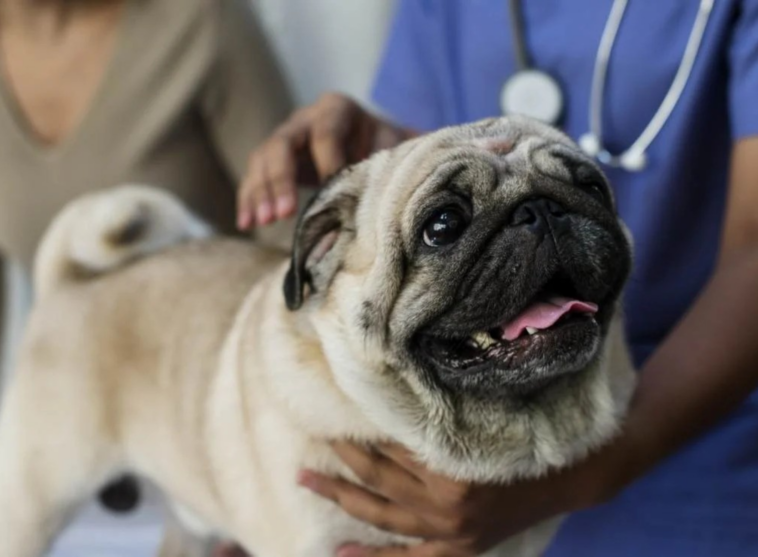
Pug BOAS surgery: Costs, Surgery and Recovery
Your pug is leaving to go through BOAS surgery as prescribed by your veterinarian, and all of a sudden, you are in the eye of the storm. How much will this cost? What is it specifically that happens in the process? Will your dog be okay? And above all–is there really any need of surgery?
It is painful to see your pug in distress trying to breathe, on a hot day dying of overheating or upon simple activity.
The airway syndrome in brachycephalic dogs is known as BOAS and it deprives such dogs of normal life experience experiences; nevertheless, surgical treatment can truly change the lives of such dogs. This is a complete guide that will be divided into all you need to know in relation to BOAS surgery dogs in terms of initial consultation to full recovery.
What Happens During BOAS
A condition known as brachycephalic obstructive airway syndrome is caused by several abnormalities of the anatomy of flat-faced breeds. The pugs accumulate this condition due to the fact that the decades of selective breeding forced the skulls into compression and did not reduce the
Quantities of soft tissues
Primary Obstructions Include:
- Stenotic nasal (pinched nostrils)
- Long soft palate (throat tissue being excess)
- Everted laryngeal saccules (tissue drawn in air way)
- Narrow wind pipe (hypoplastic trachea)
When Surgery It Becomes Necessary
Not all BOAS dogs need an operation at all, yet there are particular signs that medical treatment in this case is the most favorable solution:
Clear Surgical Candidates:
- Easy to severe dyspnea on exertion.
- Lack of exercise to perform normal activity.
- The frequent collapse or fainting attacks.
- Lack of control of body temperature.
- Repeat gagging, choking or vomiting.
- Sleep apnea with quality of life.
- Gradual deterioration of symptoms despite the conservative treatment.
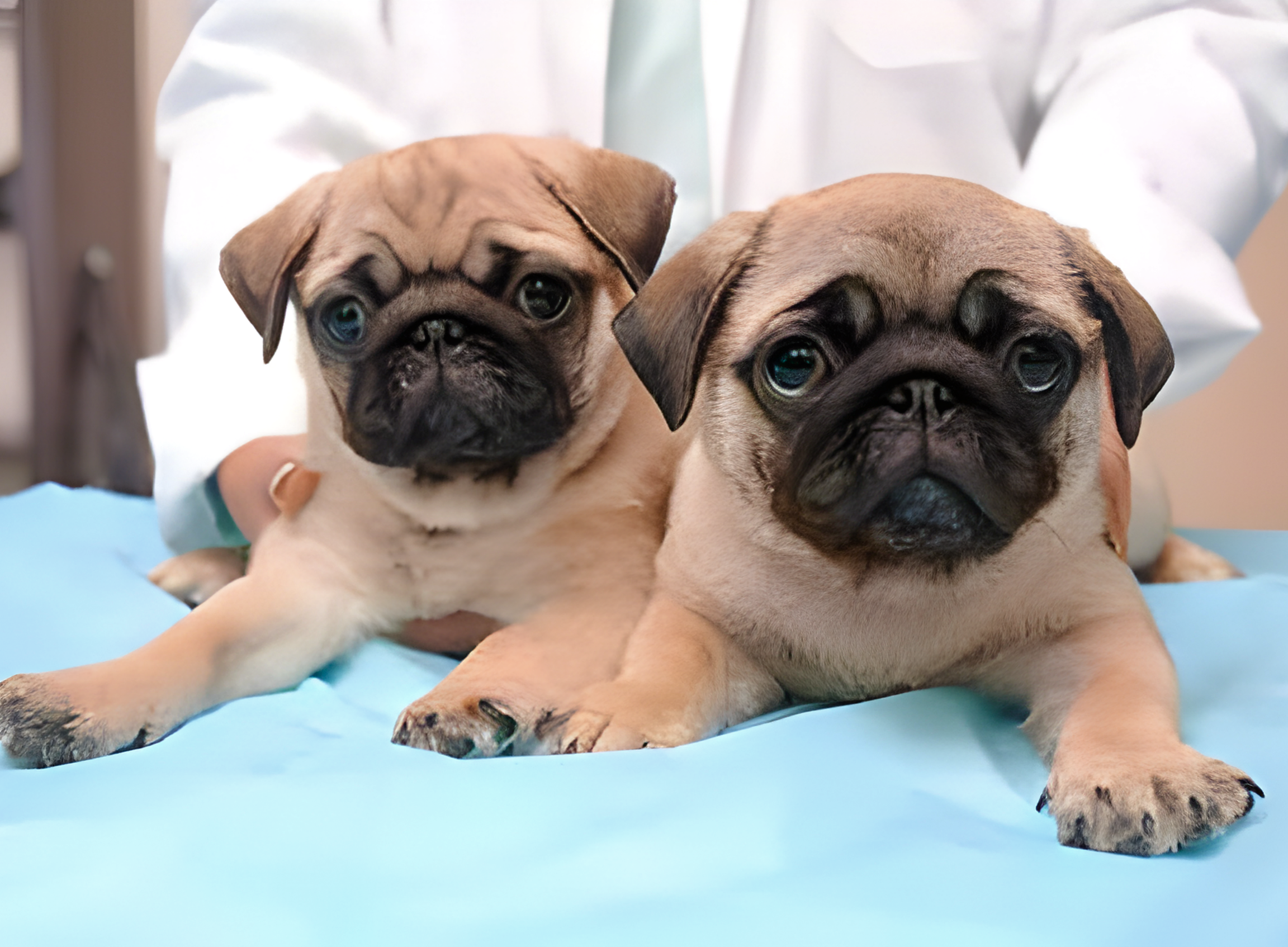
Manifolds of BOAS Surgical Automation
Stenotic Nares Resection
This process dilates enlarged nostrils to enhance breathing.
Surgical Approach:
- Eliminates lobular pieces of nostril margins.
- Opens up bigger openings in the nostrils.
- Light invasion and speedy recuperation.
- Most of the time it is carried out at the age of 6-12 months.
Expected Outcomes:
- Short-term enhancement of breathing.
- Increased oxygenation on exercise.
- Reduced snoring intensity
- Increased exercise-toleration.
Surgery Soft Palate Resection (Staphylectomy)
The most widespread BOAS surgery cure is that of the long palates that block the throat airways.
Procedure Details:
- Removal of superfluous palate tissue is done by a surgeon.
- Performs laser, scalpel or electrocautery procedures.
- Helps to avoid obstruction of airway by tissue during the breathing process.
- There is need of general anesthesia and intubation.
Recovery Considerations:
- Throat soreness for 7-14 days
- Diet in healing Soft food diet.
- Improvement in breathing in the long-term.
Laryngeal Sacculectomy
Removal is required when a chronic breathing effort moves the laryngeal tissue in the airway.
Surgical Process:
Excises everted saccules:
- Usually used together with resection of the soft palate.
- Manages secondary BOAS complications.
- Carried out through the endoscopic visualization.
Critical BOAS Correction:
The majority of BOAS surgery dogs undergo several operations at the same time:
- Nares stenosis repair and palate soft resection.
- Taking care of all the anatomical problems in a single anesthesia procedure.
- The greatest benefit and the least harm done to anesthesia practice.
- Less expensive as compared to staged surgeries.
BOAS Surgery Costs: Full Breakdown
Price Range by Procedure
Knowing the cost elements will assist you to spend well:
Individual Procedures:
- Fixing of stenotic nares alone: $500-1,500.
- Soft palate resection only: $1,500-$3,500
- Laryngeal sacculectomy: $1,000-$2,500
Comprehensive BOAS Surgery:
- Several steps undertaken: 2500-5000.
- Emergency surgery: $3,500-$8,000
- Specialist facilities: $4,000-$7,000
Other expenses to take into account
The surgical charge is only one of the elements:
Pre-Surgical Requirements:
- Initial consultation: $75-$200
- Bloodwork and urinalysis: $150-$300
- Chest X-rays: $150-$400
- ECG/cardiac evaluation: $100-$300
- CT scan (if needed): $800-$1,500
Post-Surgical Care:
- Pain medications: $30-$100
- Anti-inflammatory drugs: $40-$120
- Follow-up examinations: $50-$150 each
- Emergency visit in case of complications: $200- 1000 and above.
Facility and Geographic Differences
The location is a major determinant of the cost of BOAS surgery:
Urban Veterinary Hospitals:
- Higher overhead costs
- Special equipment and knowledge.
- On average, 3500-6000 all inclusive surgery.
Rural or General Practice Clinics:
- Lower operational expenses
- May forward complicated cases to experts.
- Typical cost of standard procedures is usually, 2000-4000.
Teaching Hospitals Veterinary University:
- Directed by experts who are certified by boards.
- Often more affordable: $1,500-$3,500
- Prolonged wait period to appointments.
Insurance Coverage Implications
Out-of-pocket costs are cut with the use of pet insurance significantly:
Coverage Requirements:
- Register before the symptoms of BOAS occur.
- Forbids coverage of pre-existing conditions.
- Average waiting of 14-30 days.
- Annual caps are of 5,000-unlimited.
Reimbursement Rates:
- Majority of policies pay 70-90 percent of the eligible expenses.
- Deductibles range from $100-$500
- All inclusive surgery charges came down to 750-1500 following reimbursement.
Pre-Surgery Preparation
Medical Evaluation Process
Complete evaluation of surgical safety:
Diagnostic Testing:
- Fully progressive physical examination.
- Blood chemistry and complete blood count.
- Urinalysis to test the functionality of the kidneys.
- Thoracic x-rays of heart and lungs.
- Electrocardiogram in older dogs with heart murmurs.
Exercise Tolerance Testing
Veterinarians estimate functional ability by:
- Emonstration of breathing at rest and activity.
- The time of recovery following controlled exercise.
- Comparison of color changes of gum under exertion.
- BOAS grading on standardized scales.
Pre-Operative Instructions
24-48 Hours Before Surgery:
- Normal medications are to be continued unless otherwise.
- Keep on schedule of feeding.
- Avoid strenuous exercise
Night Before Surgery:
None after midnight (water is most excepted)
Provide relaxing surroundings.
Confirm time of appointment with surgery.
The Surgical Day BOAS: Previews
Morning Drop-Off
Arrival Process:
- Full admission documentation.
- Look through surgical consent forms.
- Give contact details on the emergency.
- Request last minute questions prior to parting.
Anesthesia and Monitoring
The dog surgery of BOAS requires the use of anesthetic management:
Safety Protocols:
- Pre intubation pre-oxygenation.
- Masterful tube insertion owing to airways structures.
- Constant observation of the heart rate, blood pressure, oxygen saturation.
- Senior anesthesiologists in charge of brachycephalic breeds.
Timeline Surgical Procedure
Normal Surgery Timetable of BOAS:
- Time to induce anesthesia: 15-20 minutes.
- Surgical repair: 45-90 minutes.
- Recovery monitoring: 2-4 hours
- Total hospital time: 6-12 hours
Short-term Post-operative Management
Recovery Room Protocols:
- Watching till completely awake.
- Supplementation of oxygen on demand.
- Management of pain administration.
- Monitoring such complications as swelling or bleeding.
Home Care and Recovery Timeline
First 24-48 Hours
There is a critical first phase with which we must be monitored:
Expected Behaviors:
- Drowsy and confusedness.
- Mild throat discomfort
- Reduced appetite
- Gagging or coughing at times.
Red Flags that may need Emergency Attention:
- Laboring to breathe or bluish gums.
- Too much bleeding in the surgical sites.
- Complete intolerance of drinking water.
- Give up or excessive stupor.
Week One Recovery – BOAS
Activity Restrictions:
- No running, jumping, or playing Strict rest–no running, jumping, or playing
- Bathroom only short leash walks.
- Use harness, never collar
- Do not use hot or steamy environments.
Dietary Modifications:
- Soft, moistened food
- Small, frequent meals
- Room temperature water
- Elevated feeding bowls
Weeks 2-4: Gradual Improvement
Progressive Changes:
- Breathing sounds diminish
- Energy levels increase
- Appetite normalizes
- Throat discomfort resolves
Meetings of Continued Care Needs:
- Adherence to medication prescriptions.
- Restrictions of activities perpetuated.
- Intake of follow-up exam.
- Observation in case of complications.
Long-Term Recovery (6-12 Months)
The benefits of a full BOAS surgery are all long-term:
Expected Improvements:
- There is an increase in exercise tolerance of 50-200%.
- Heat tolerance normalizes
- Snoring is reduced to a minimal extent.
- The quality of sleep will become significantly better.
- General standard of living changes.
Rates of Success and Realistic Expectations.
Outcome Statistics
Additional studies show that there are high surgical advantages:
Documented Improvements:
- 85-95% respond with significant improvement in respiratory functions.
- Complete resolution of severe symptoms is attained in 70-80%.
- 90% have an improved capability of exercise.
- The average life span is also increased by 2-4 years.
Factors Affecting Outcomes – BOAS
Positive Predictors:
- Operation at under 4 years of age.
- Normal body weight observed.
- None of the secondary complications such as laryngeal collapse.
- Total correction of the abnormalities.
Challenging Cases:
- Difficulty in recovery due to severe obesity.
- Advanced age (over 8 years)
- Pre-existing heart disease
- Hypoplastic trachea (surgically non-removable)
Common Mistakes Owners Make – BOAS Surgery
Postponing Surgery to Emergency
- Delaying action until there is a crisis scenario results in treating better-than-poor-disease. The early treatment will not allow changes that are irreversible such as the laryngeal collapse.
Selecting Surgery on Price Alone
- The least expensive alternative might not be specialized brachycephalic. Surgeons who lack experience have a greater number of complications. Invest in qualified personnel despite increment of costs.
Premature Lifting of Activity Limits
- Owners feel better and think of full recovery. Early exercise leads to the swellings, bleeding, and damage of the surgical site. Adhere to timelines of restrictions.
Forgetting about the weight management after surgery
- Obesity re-obstructs surgery, although surgery helps to open airways. To sustain surgical benefits maintain ideal body weight permanently.
Forgetting to Use Follow-Up Appointments
- Post-surgical assessments determine problems in time and determine the success of surgery. These are no longer appointments, they are necessities to achieve the best results.
BOAS Surgery BOA Surgical Pro Tips
Have surgery in cool seasons. Procedures in the fall or winter do not expose the patient to the effects of heat stress during the recovery period when exercise is already limited.
Make advance preparations on recovery space. Prepare very comfortable and quiet room with convenient access to bathrooms before the day of surgery.
Stock soft food varieties. Eat in a variety of ways as appetite can be capricious at the start.
Pre and post-surgery breathing. Video recordings indicate the improvement and can be used to track the recovery progress.
Join online support groups. Share with fellow owners that have already undergone BOAS surgery and support as well as practical tips.
Form referral relationship with 24-hours emergency clinic. Know where and contact number prior to complications.
Commonly Asked Questions of BOAS Surgery
Q-1: Got BOAS surgery, how long does the recovery take?
- Majority of the dogs will be back on their normal activity after 3-4 weeks, although full tissue healing will take 6-8 weeks. Optimum respiratory improvement would occur after 6-12 months of resolution of inflammation and stabilization of airways.
Q-2: Does my pug continue to snore following the BOAS surgery?
- A surgical operation can be used to cut the snoring considerably, although a certain amount of sound can remain. Perfect silence is not realistic either, the aim of exercising is comfortable breathing without pain, rather than a perfect silence.
Q-3: Is it possible to restore BOAS following surgery?
- Well done surgery offers life long anatomical correction. But renewed symptoms may be brought about by weight gain, aging or progressive tracheal collapse. About 10-15% need revision operation in case the initial correction is not effective.
Q-4: Is the cost of BOAS surgery worth it?
- In moderate and severe cases, surgery severely enhances life quality and life expectancy. The majority of the owners say that the investment became invaluable as they saw their dog breathing comfortably and peacefully and performing usual activities.
Q-5: What is the mortality rate of BOAS surgery?
- The mortality rates vary between 0.52% and 2% in experienced facilities. Due to a high risk of anesthesia, brachycephalic breeds are exposed to higher risks of complications, although specific guidelines and observations reduce complications. The danger of not doing something is usually greater than surgical risks.