Dr. Huzaifa Shayan (Veterinarian/ Deep Researcher)
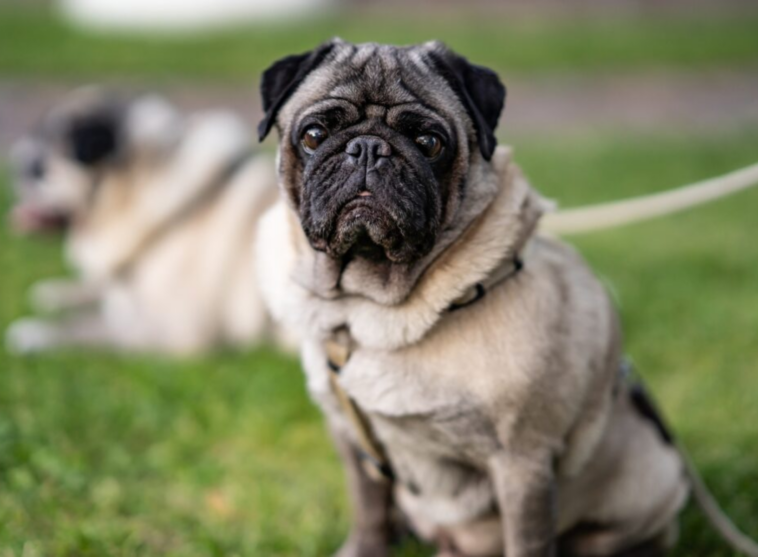
Pugs: BOAS: Symptoms, Causes, and Guide to Treatment.
Your pug has difficulty in breathing when he has done a short walk. Their snoring is loud at night, they gag often and they cannot even cope with the heat of summer. Someone has told you that it is normal with the breed, but when you see your companion struggling to breathe, it does not seem like normal.
The syndromic situation, i.e. Brachycephalic obstructive airway syndrome (BOAS), is observed to prevail in most flat-faced dogs and the pugs are also among the worst hit breeds. It is not a weird breed trait it is a severe medical condition that makes life less enjoyable and reduces the lifespan. The knowledge of BOAS will enable you to be able to detect signs early and make a sound decision regarding treatment.
Introduction to Brachycephalic Obstructive Airway Syndrome, 2010.
What Is BOAS?
A set of anatomic malformations that inhibit the airflow in flat-faced dogs is known as brachycephalic obstructive airway syndrome. The brachycephalic literally means short head and is used to refer to the compress skull structure that characterizes pugs, bulldogs among other breeds.
BOAS does not specify a single problem but it is a combination of multiple structural issues that take place:
The Major Anatomical Structures
- Stenotic Nares: Restricted nostrils which can restrict the amount of air taken in.
- Long Soft palate: There is too much tissue that blocks the entrance of the throat.
- Hypoplastic Trachea: Windpipe that is abnormally constricted.
- Diverged Larynx Saccules: The tissue forced in to the airway due to breathing effort.
- Laryngeal Collapse: This is an obstruction of the airway due to chronic strain.
How BOAS Develops
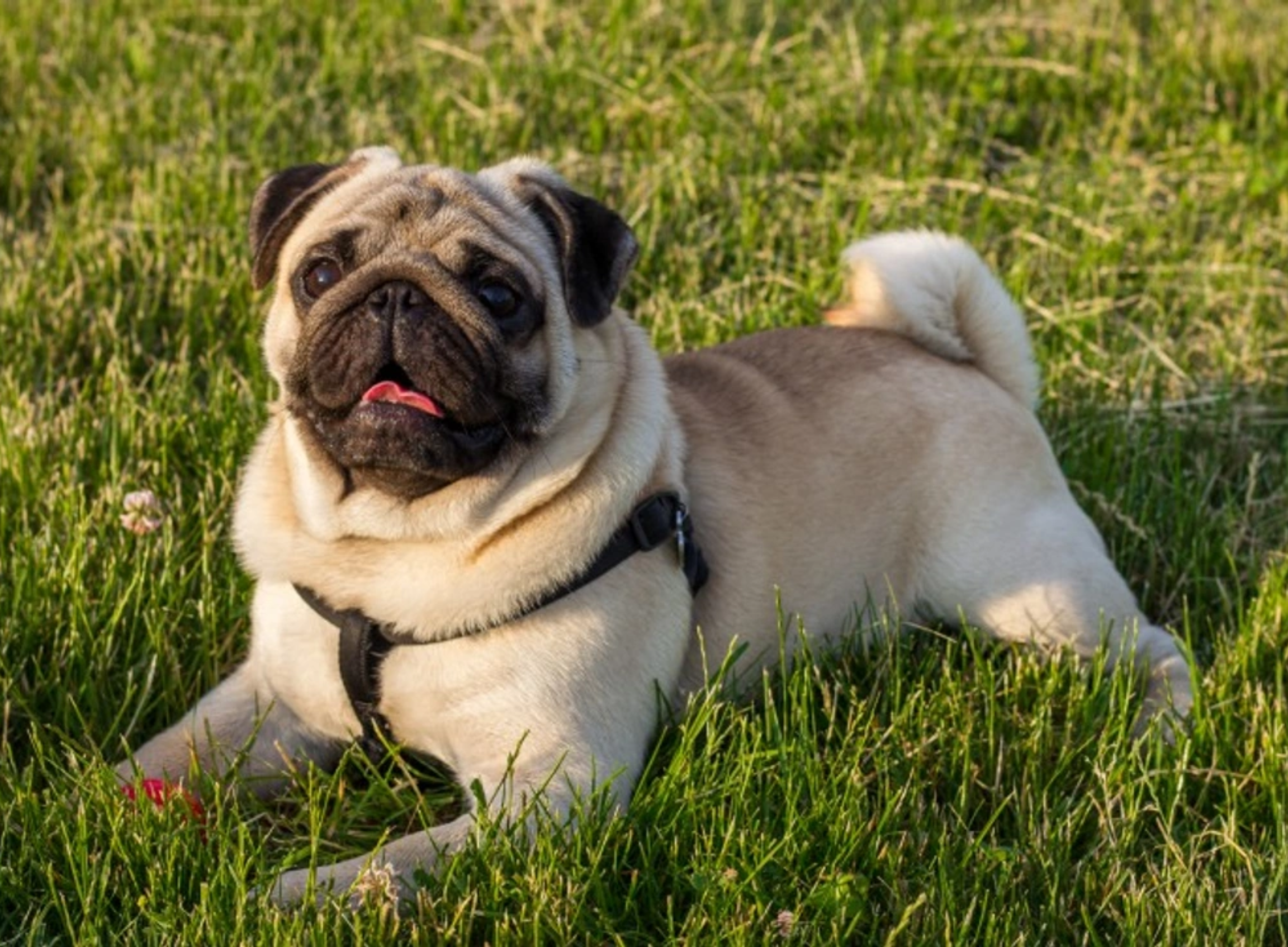
The breeding process that produced a pug with a flat nose discriminated against other breeds, which shrunk their skulls, but did not proportionately shrink the soft tissues. The same would happen with a full size pillow: When one attempts to place a full size pillow into a travel size pillow case, all of the excess material will bunch up and cause space to be blocked out.
Such a misfit is a domino effect. Reduced nostrils aggravate breathing. Heightened activity draws the throat tissues in the airway. Prolonged effort causes structures to inflame and swell further limiting airflow. The condition normally gets worse as one ages, gains weight and as a result of frequent respiratory stress.
Being aware of BOAS Symptoms in Your Pug.
Respiratory Signs
Mild Indicators
- Dyspnea of the noisy nature.
- Continuous snores when sleeping.
- Breathing after slight physical exertion open-mouthed.
- The occasional gagging or retching.
Moderate Symptoms
- Labored breathing at rest
- Reduced exercise tolerance
- Heat in the middle temperatures.
- Purple-colored gums when exercising.
- Constant sneezing backwards.
Severe Manifestations
- Shortness of breath and little exertion.
- Fainting or collapses.
- Unable to sleep prostrate.
- Choking or gasping sounds
- Cyanotic (blue) tongue or gums
Secondary Health Impacts
These complications of BOAS pugs do not just stop at breathing:
- Gastrointestinal Problems: Regurgitation, vomiting and reflux due to increased pressure in the abdomen.
- Sleep Disruption: Chronic wear and tear due to lack of oxygen.
- Heat Intolerance: Unable to cool by normal panting.
- Cardiovascular Strain: Heart strain due to constant oxygen deprivation.
- Behavioral Changes: The decreased activity and socialization.
Grading BOAS Severity
To grade BOAS, veterinarians use functional grading:
Grade-0 (Unaffected)
- Normal breathing sounds
- Full exercise tolerance
- No respiratory distress
Grade-I (Mild)
- Painful breathing when exercising.
- Minor exercise limitations
- Rapid recovery of exercise.
Grade-II (Moderate)
- Clearly, difficulty in breathing.
- Considerable exercise intolerance.
- Prolonged recovery periods
Grade-III (Severe)
- Dyspnea (Continuous preaching pains)
- Minimal activity tolerance
- Life-threatening episodes
Diagnostic Process and Assessment – BOAS
Veterinary Examination
BOAS assessment is a complex that involves:
Physical Assessment
- Measurement of resting breathing and post-exercise breathing.
- Optical measure of nostril opening.
- Throat evaluation (in most cases, it needs to be sedated)
- Heart and lung auscultation
- Body condition scoring
Advanced Diagnostics
- Exercise tolerance testing
- The whole body barometric plethysmography (special breathing measurement).
- Sedation Laryngoscopy to examine the structures of the throat.
- CT entails airways mapping scans.
- Blood gassing to determine oxygen levels.
Treatment Options for BOAS
Conservative Management
In case of mild cases, non surgical methods can be used to relieve:
Lifestyle Modifications
- Lead a healthy body weight (obesity is a severe deteriorating factor)
- Apply the harnesses rather than collars in order to decrease pressure on the throat.
- Exercise should be avoided in the heat or humidity.
- Offer air-conditioned rooms.
- Elevated food bowls should be used to minimise regurgitation.
- Use stress coping mechanisms.
Medical Support
- Drugs during exacerbation prevention Anti-inflammatory drugs used in exacerbations.
- Acute episode oxygen therapy.
- Therapy (reflux drugs) of secondary conditions.
BOAS Surgery for Dogs
Moderate to severe cases can best be solved in the long run through surgical intervention.
Common Surgical Procedures – BOAS
Stenotic Nares Correction
- Clears nostrils at the edges of the tissues to enlarge openings.
- Fastest recovery accompanied by immediate improvement in breathing.
- Frequently done at an early age of 6 months.
Soft Palate Resection
- Reduces the overgrowth of palate tissue which obstructs airway.
- Significant mental gain in obstruction of throat.
- Needs general anesthetic effects and special machines.
Laryngeal Sacculectomy
- Ejects projection of tissue of the larynx.
- Accomplished when saccules stick out into airway.
- Typically goes together with other procedures.
BOAS Surgery History and Prices.
Pre-Surgical Requirements
- Complete health assessment
- Anesthesia risk evaluation
- Chest X-rays and blood work
Surgical Costs
- Stenotic nares repair alone: $500 -1,500.
- Comprehensive BOAS surgery: $2,000-$5,000
- Emergency procedures: $3,000-$8,000
Recovery Period
- Hospital stay: 1-3 days
- Activity restriction: 2-3 weeks
- Full recovery: 4-6 weeks
- Towards improved status: 6-12 months.
Success Rates and Outcomes
Studies indicate that there are dramatic improvements in the quality of life after BOAS surgery dogs undergo:
- 85-95% experience significant improvement of breathing.
- There is an increase in exercise capacity (50-200%).
- The quality of sleep radically increases.
- Heat tolerance normalizes
- Expectancy years are added 2-4 years.
The Particular Pitfalls Fallacies Pug Owners Trip On BOAS
Ruling out Symptoms as Regular:
- The worst fallacy is to take breathing hardship and serious as normal breed behavior. In case your pug cannot walk 10 minutes without pain, it is a sign of a medical issue that needs to be sorted out.
Waiting to get to the Crisis:
- Being responsive to emergencies would imply dealing with developed disease. Early surgery has superior results and avoids irreversible damages such as collapse of the larynx.
Allowing Higher-weight:
- Additional weight increases the obstruction of the airway exponentially. The extra weight of even 2-3 pounds is a serious aggravator of the symptoms in pugs.
Working out in the wrong conditions:
- The middle of the day or rainy weather should be avoided because of the danger of respiratory crisis, which is life-threatening. Exclusive use of schedule activities in the cool morning or evening hours.
Using Neck Collars:
- In already damaged airways, collars exert direct pressure. It is important always to use well-fitting harnesses that spread the weight over the chest.
Pro-tips of containing BOAS Pugs
Breathing patterns of a document with video. Take pictures of your pug in different activities and when it is taking a rest. This video can be used to determine the severity and monitor the progression by the veterinarians.
Invest in the environmental controls. The air conditioning is not the luxury of BOAS pugs, it is a medical necessity. Allocate money towards weather management and alternative cooling mechanisms.
Develop measures of emergency. Have the location of your closest 24 hour in case of an emergency veterinary. Maintain access to their contacts and know the quickest way to get.
Pet insurance should be considered in time before the symptoms deteriorate. Shopping insurance when your pug is small and healthy. Without insurance, surgery dogs of BOAS will no longer be affordable.
Establish contacts with experts. Request veterinarians who work with brachycephalic breeds and board-certified surgeons that perform BOAS repairs on a regular basis.
Commonly Responded Questions on BOAS
Q-1: What is the age at which BOAS is common in pugs?
- Pugs come into the world with the anatomical characteristics of BOAS but the symptoms normally come into notice between 1-3 years when they reach physical maturity. Others manifest themselves as puppies and others become noticeable later when secondary changes such as laryngeal collapse are experienced.
Q-2: Can BOAS be prevented?
- There is nothing that can be done to prevent cases where a pug is born with brachycephalic anatomy. Prevention can only occur at the breeding level where longer snouts decrease the occurrence of BOAS. Nevertheless, ideal weight and prevention of heat stress can reduce the level of symptoms.
Q-3: Does my pug require several surgeries of BOAS?
- The majority of the dogs have an operating procedure once but the operations usually deal with more than one anatomical problem at a time. About 10-15% of them require revision surgery in case the initial correction is not enough or when a laryngeal collapse occurs in the future.
Q-4: Does BOAS surgery make pugs older safe?
- Old age does not make candidature a thing of the past. Nevertheless, the risks of anesthesia of older dogs are more, and the more complicated cases of the heart or laryngeal collapse make things more difficult. Individual health status is evaluated by veterinarians in order to establish safety.
Q-5: What is the rate at which improvement occurs following BOAS surgery?
- Part of the changes are evident as soon as they are done, especially in stenotic nares correction. The advantages of soft palate resection are observed when the swelling is eliminated in the course of 2-4 weeks. Full recovery is realized 6-12 months after the surgery as tissues are fully healed.
Getting Your Pug to Live Healthier
Brachycephalic obstructive airway syndrome has a serious negative effect on the wellbeing of your pug but it does not necessarily have to be the main feature of the life of your pet. Early identification, correct diagnosis and corrective intervention be it conservative management or surgical correction is dramatically important in enhancing the quality of life.
Your pug should have an opportunity to breathe in the air, sleep without any disorders, and do something without experiencing breathlessness. BOAS surgery is actually beneficial to most of the affected dogs and it turns the struggling dogs into the well-to-do ones. Their health in their airways pays off in the long life, better daily functioning, and quality living of both you.