Dr. Huzaifa Shayan (Veterinarian/ Deep Researcher)
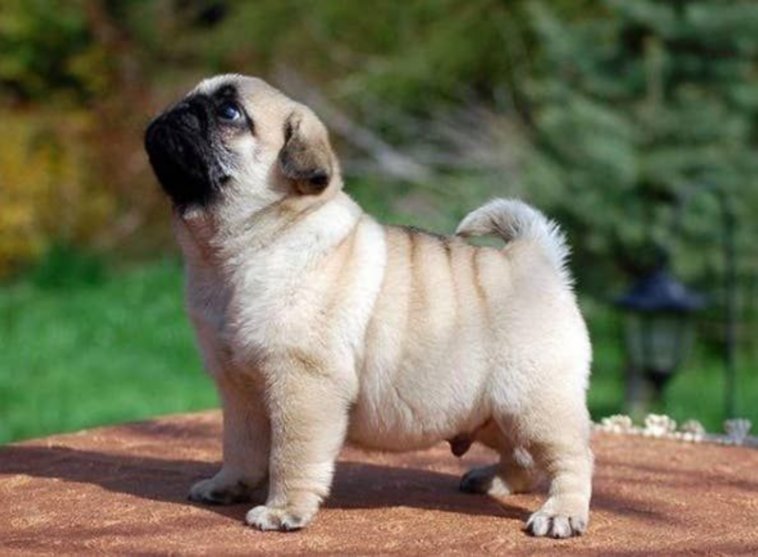
Baby Pug: Rearing, Care, Health, Diet, Grooming and Training
Getting to Know the Needs of Your Baby Pug
The Character of the Baby Pug Stage
The baby pugs are mostly described as puppies between birth and six months. At this age, they experience an active physical and behavioral growth:
Birth to 8 Weeks
- Nursing from mother
- Eyes open around day 10-14
- First littermate interaction.
- Should remain with breeder
8 to 16 Weeks
- Ideal adoption window
- The critical socialization period.
- Initial immunizations attended.
- House training begins
16 Weeks to 6 Months
- Teething phase
- Increased independence
- Reinforcement of training continued
- Adolescent behaviors come into life
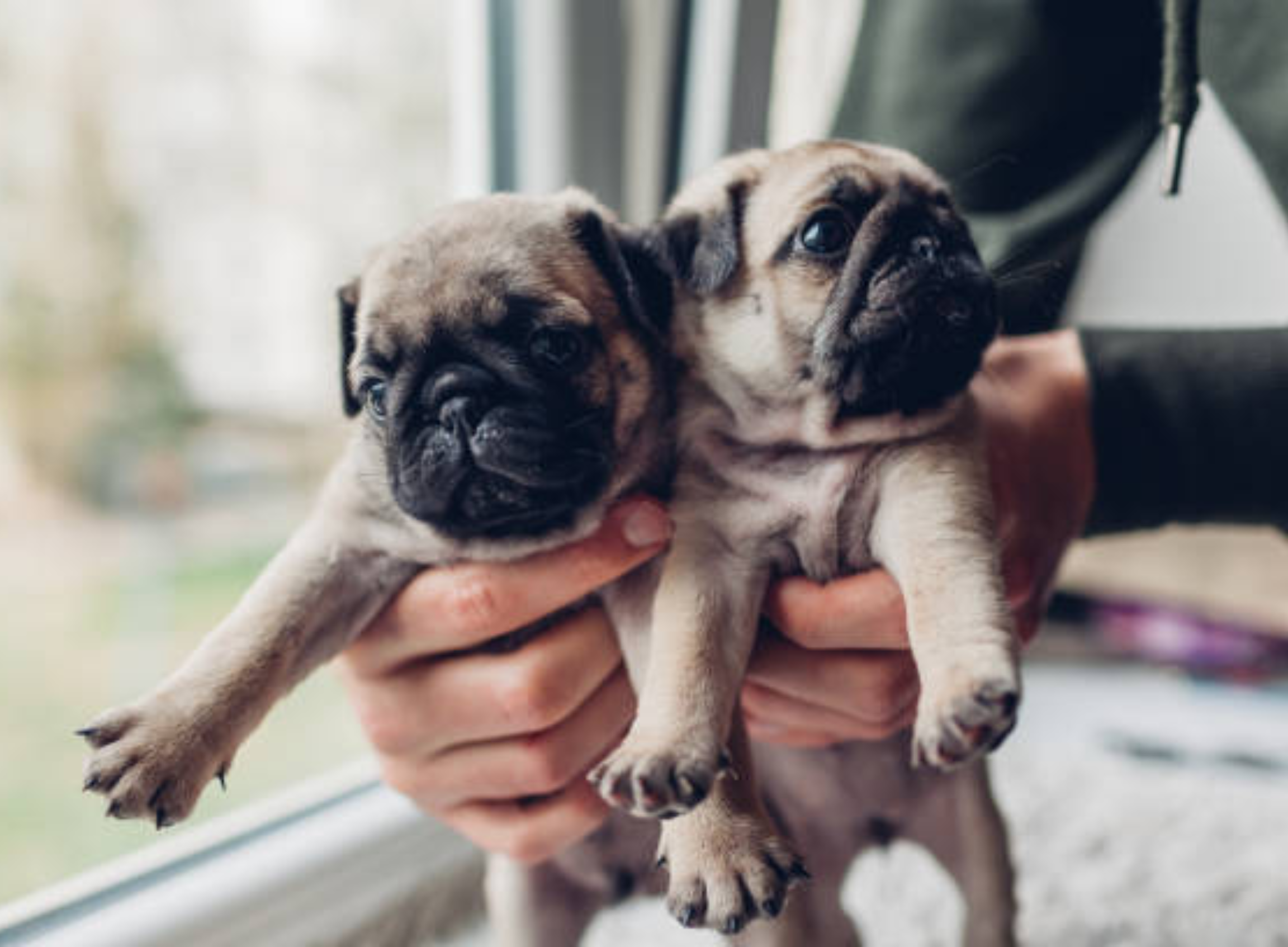
Physiological Description of Little Pugs
Knowing what is normal, is the way to recognize the possible issues beforehand:
- Weight: 2-4-pounds in 8 weeks, and 10-12 pounds in 6 months.
- Physique: Small and burly, not skinny or fat.
- Coat: Fawn, black, silver short smooth double coat.
- Face: Wrinkled with flat profile (baby pugs have not such severe features at first)
- Tail: Tightly rolled over back.
Pug Puppies: Essential Health Care
Vaccination Schedule
Care for your little pug: preventable diseases.
Core Vaccines
- Distemper, parvovirus, Adenovirus: 8, 12 and 16 weeks.
- The rabies: 12-16 weeks (depending on the place of residence)
Optional Vaccines
- Bordetella (kennel cough): Pre boarding/pre training classes.
- Leptospirosis: Regional risk based.
- Canine influenza: High exposure settings.
Concerns of Breathing and Brachycephalic
Flat faces Cute pugs have flat faces, which make it difficult to breathe:
Warning Signs to Monitor – Baby Pug
- Too much snoring or wheezing.
- Purple-colored lips when exercising.
- Failure to exercise without discomfort.
- Increased heat in low temperatures.
- Incidences of gagging or reverse sneezes.
Arrange an instant veterinary checkup when your pug puppy displays extreme problems with breathing. The complications are avoided through early intervention.
Typical of the Baby Pugs are Health Problems
Hypoglycemia
- Freeborn low blood sugar in poor puppies.
- Feed small meals 4-5 times daily
- Look out of lethargy, trembling or weakness.
Umbilical Hernias
- Minor swellings around the belly button.
- Majority of them pass on within 6 months.
- Huge hernias have to be corrected with surgery.
Eye Problems
- Well-known eyes are at risk of scratches and ulcers.
- Nails should be clipped to avoid self-harm.
- Wipe with moist wipers that are approved by the veterinaries.
Diet: How to Feed your Pug Pug
Choosing the Right Food For Baby Pug
Choose puppy friendly formulas made in small breeds:
Nutritional Requirements
- Minimum 22% protein for growth
- Moderate fat content (8-15%)
- DHA for brain development
- Phosphorus and calcium to build bones.
Recommended Brands
- Royal Canin Puppy Small Breed.
- Hill Science Diet Puppy Small Paws.
- Wellness complete health small breed puppy.
- Blue Buffalo Small Breed Puppy Life Protection.
Portions and Schedule of Feeding
8-12 Weeks:
- Four meals daily
- 1/4 to 1/3 cup per meal
- Total: 1 to 1 1/3 cups daily
12-24 Weeks:
- Three meals daily
- 1/3 to 1/2 cup per meal
- Total: 1 to 11/2 cups daily
6-12 Months
- Two meals daily
- 1/2 to 3/4 cup per meal
- Total: 1 to 11/2 cups daily
Change quantities as per level of activity, metabolism and body condition. You must be able to feel the ribs but not notice them.
Foods to Avoid – Baby Pug
Never feed your pug puppy:
- Chocolate, coffee or alcohol.
- Grapes, raisins, or currants
- Onions, garlic, or chives
- Xylitol (artificial sweetener)
- Macadamia nuts or walnuts
- Raw dough or bread
- Cooked bones that splinter
Grooming Your Little Pug
Daily Facial Care
The wrinkles that make cute pugs so good, also entrap moisture and bacteria:
Morning Routine
Lift each facial fold gently
- Wipe using either unscented baby wipe or wrinkle wipe.
- Wipe clinical using soft cloth.
- Use powder that is approved by the veterinary in case of need.
Failure to take care of the wrinkles causes painful infections, which demand antibiotics.
Coat Maintenance
The pugs lose their hair, notwithstanding that they are short-haired:
Weekly Tasks
- Apply a curry brush on 2-3 times.
- The deshedding tool must be used in spring and fall.
- Examine skin abnormalities, ticks and fleas.
Monthly Tasks
- Bath with puppy soft shampoo.
- Straighten nails in case of no natural wear.
- Wipe ears with a solution of the veterinary.
Dental Hygiene
Early oral care: Utilizing lifelong oral care habits:
- Wipe the dog teeth 3-4 times a week with toothpaste that is dog safe.
- Give dental chews of proper age to puppy.
- Arrange professional cleaning on a regular basis.
Training Your Pug Puppy
Fundamentals of House Training.
The bladders of the pug puppies are small and they need frequent breaks:
Successful Strategy
- Take external after every 1-2 hours in the beginning.
- Always follow up meals, play and naps.
- Have regular bathroom location.
- Compliment right after getting rid of a person.
- Accidents should not be punished – wipe up and keep training.
Basic Obedience Commands
Begin training now, at the very least 8 weeks:
Essential Commands:
- Sit: This is the simplest first command with the use of treats.
- Come: Train then train in controlled settings prior to going off leash.
- Stay: Construction time progressively.
- Down: Helpful when one wants to be calm.
- Leave It: Critical for safety
Socialization Strategies
During the first critical 8-16 weeks expose your baby pug to different experiences:
Protective Socialization Processes
- Welcome vaccinated dogs to your house.
- Go through puppy kindergarten classes.
- Visit pet-friendly stores
- Change various surfaces (originally grass, tile, carpet)
- Be exposed to different sounds (vacuum, doorbell, traffic)
- Interact with different individuals (children, old age, appearance)
Common Mistakes New Pug Puppy Owners Make
Overfeeding
- Mini baby pugs are very deceptive and they entice their owners to overfeed. The obesity would causes lifelong health issues especially respiratory problems. Strict adherence to guidelines of feeding.
Socialization
- Socialization is another error that should be avoided. Pugs are not socialized well thus, they grow to have anxiety, aggression, or fear. The 8-16 weeks never come back-take this advantage as much as you can.
Random Training
- You make your puppy confused by letting it do things you will discourage. In case you do not want your adult pug to jump on the visitors, then do not give your baby pug a chance to do that at this moment.
Overlooking Breathing Problems
Punishment-Based Training
- Pugs do not take to severe corrections. Positive reinforcement helps in creating confidence and enhancing your relationship.
Hoggie Basics of Rearing Happy, Healthy Pugs
- Young pets should have early insurance: Get insured prior to the emergence of any health problems to be covered by breed-related health problems.
- Provide a puppy-proof interior: Get rid of electrical cords, poisonous plants, objects that can be chewed, and so on.
- Habits must be formed at once: Regular eating, bathroom breaks and sleeping schedules are fast tracks in training and anxiety minimization.
- Keep an eye on the temperature: Do not play with your pug puppy in the hot weather. Air conditioning during the summer.
- Participate in breed-specific organizations: Connect with the experienced pug owners using online forums or other local clubs to get support and guidance.
Frequently Asked Questions About Baby Pugs
Q: How old are you supposed to take your pug puppy home?
Good breeders will release puppies at the age of 8-10. This makes it possible to wean, socialize and have initial vaccines with siblings. Do not take a puppy that is below the age of 8 weeks.
Q: What is the required amount of sleep of a pug baby?
Pugs puppies rest 18-20 hours per day. Such vigorous rest promotes growth and development. Give them a bed or a quiet comfortable crate that they can rest in peace.
Q: What is the age at which I can spay or neuter my little pug?
Talk to your veterinarian about timing. It is suggested that it is best to wait until 6-9 months of age when good physical growth is expected, but the health issues of an individual play a role.
Q: Can I bring my pug puppy to dog parks?
Wait until all the vaccinations are done to your puppy (this usually takes 16 weeks). Also even then, be careful with the safety in the dog parks-crowding in, aggressive dogs or the risk of diseases may make private play-dates superior.
Q: What is the way I could tell whether my baby pug is growing okay?
Measuring weight on a weekly basis in the initial months. Contact your veterinarian in case the growth appears to be too quick or too slow. It is not about certain numbers, but body condition, so your puppy must have the healthy figure without any extra weight or ribs.
Training Your Pug Puppy to Be Successful
The six first months determine the whole life of the pug. When good nutrition, training, socialization, and preventive care are given priority, it will result in a healthy well-adjusted adult dog.
Yes, baby pugs are time and labor intensive, not to mention expensive. However, it is all worth it when your little pug grows up to be a loving, confident friend. The aged countenance, delightful nature, the faithful refusal to change, are your daily recompense on those first years of devout attentions.