Hamza Sajjad
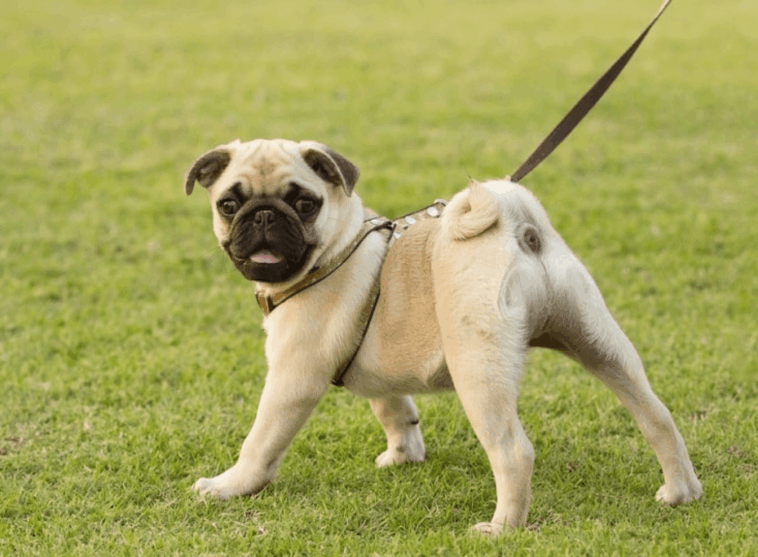
Introduction: The Truth About Training a Pug
Pugs are adorable, affectionate, and full of personality—but are they hard to train? The answer is both yes and no. While Pugs are intelligent, their stubbornness, short attention spans, and sensitivity can make training a challenge. However, with the right techniques, consistency, and patience, you can successfully train your Pug to be a well-behaved companion.
This in-depth guide covers every aspect of Pug training, including:
Why Pugs Can Be Stubborn
Best Training Methods for Pugs
Common Behavioral Challenges & Fixes
Housebreaking & Obedience Training Tips
How to Keep Your Pug Motivated
By the end, you’ll have a proven strategy to your effectively—whether you’re dealing with a puppy or an adult dog.
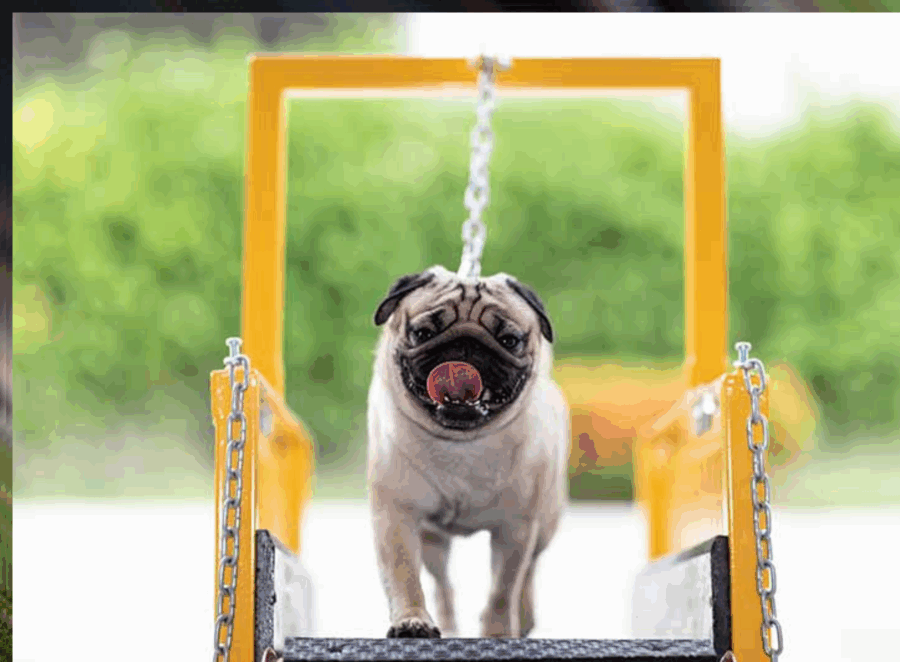
Why Are Pugs Considered Hard to Train?
Independent & Stubborn Nature
Pugs were bred as companion dogs, not working dogs, meaning they lack the eagerness to please seen in breeds like Border Collies or Labradors. They often prioritize their own desires over commands, making them seem “stubborn.”
Short Attention Span
Pugs get distracted easily—especially by food, smells, or playful stimuli. Training sessions must be short (5-10 minutes) and engaging to keep their focus.
Sensitivity to Harsh Training
Pugs respond poorly to yelling or punishment-based methods. Positive reinforcement (treats, praise, play) works best, as they thrive on affection.
Prone to Boredom
Repetitive training drills can make a Pug lose interest quickly. Variety and fun are key to keeping them engaged.
Best Training Methods for Pugs
Positive Reinforcement Works Best
Use high-value treats (small, soft, and smelly—like cheese or chicken).
Praise enthusiastically—Pugs love attention!
Keep sessions short & fun to prevent frustration.
Clicker Training for Precision
A clicker helps mark exact moments of good behavior, making it easier for Pugs to understand what you want.
Consistency is Crucial
-
Use the same commands every time (e.g., “Sit” not “Sit down”).
-
Train in different environments to generalize behavior.
Socialization Prevents Behavioral Issues
Expose your Pug to different people, dogs, and sounds early to prevent fear-based aggression or anxiety.
Common Pug Training Challenges & Solutions
Housebreaking Difficulties
-
Problem: Pugs are notorious for slow potty training.
-
Solution:
-
Take them out every 2 hours (especially after meals).
-
Use a consistent potty spot and reward immediately after success.
-
Leash Pulling & Walking Problems
-
Problem: Pugs love to sniff and wander.
-
Solution:
-
Train with a front-clip harness for better control.
-
Stop walking when they pull—only move forward when the leash is loose.
-
Excessive Barking
-
Problem: Pugs bark for attention or when anxious.
-
Solution:
-
Ignore demand barking & reward quiet behavior.
-
Provide mental stimulation (puzzle toys) to reduce boredom.
-
Advanced Training Tips for Pugs
Teach Tricks to Boost Mental Stimulation
Pugs enjoy learning fun tricks like:
Spin
Paw/Shake
Play dead
Use Food Puzzles for Slow Feeders & Brain Exercise
Pugs are food-motivated, so interactive toys like Kongs or snuffle mats keep them engaged.
Crate Training for Safety & Comfort
Acrate helps with:
Housebreaking
Preventing separation anxiety
Creating a safe space
Final Verdict: Are Pugs Hard to Train?
Pugs can be challenging due to their stubbornness and distractibility, but they are trainable with patience, positive reinforcement, and consistency. The key is making training fun, rewarding, and engaging—never forceful.
Pro Tip: Start training early (puppy stage is ideal), but adult Pugs can learn too!
Boost Your Pug’s Training Success Today!
By following these strategies, you’ll transform your Pug into a well-mannered, happy companion. For more expert tips, subscribe to our newsletter or check out our Pug Training Course!
Liked this guide? Share it with fellow Pug owners! #PugTraining #DogTrainingTips