Hamza Sajjad
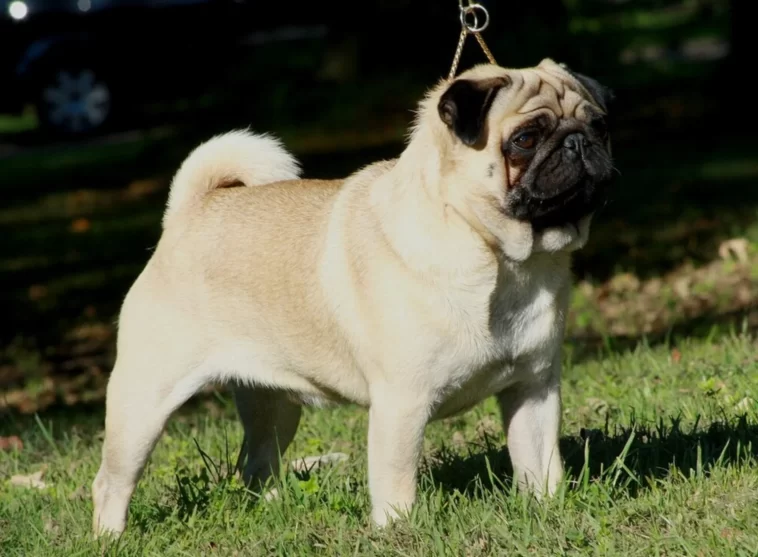
Introduction: The Royal Origins of the Pug in Ancient China
The Pug, with its distinctive wrinkled face and charming personality, has a history deeply rooted in ancient China. Revered by emperors and nobility, these small yet dignified dogs were not just pets but symbols of luxury, spirituality, and imperial power. Understanding the ancient breeding practices of Pugs in China offers fascinating insights into how selective breeding, cultural beliefs, and royal preferences shaped this beloved breed.
In this comprehensive guide, we explore:
-
The Imperial Beginnings of Pug Breeding
-
Selective Breeding Techniques in Ancient China
-
The Spiritual and Cultural Significance of Pugs
-
How Ancient Practices Influenced Modern Pug Traits
-
Preservation of Lineage: From the Forbidden City to Today
By the end of this article, you’ll gain a profound appreciation for how Chinese dynasties perfected the Pug breed, leaving a lasting legacy that continues to enchant dog lovers worldwide.
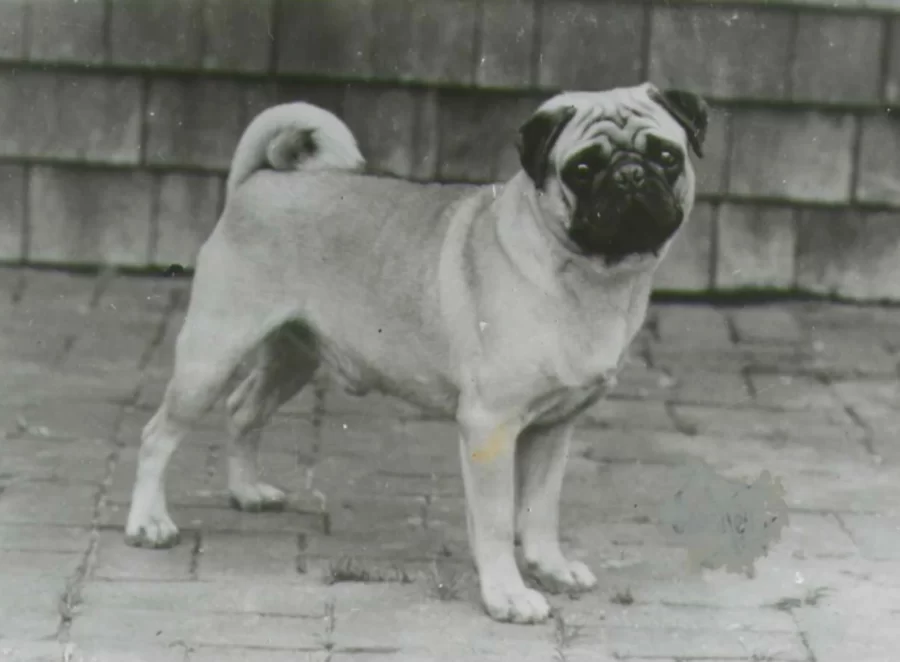
The Imperial Beginnings: Pugs as Royal Companions
Pugs, known as “Lo-Sze” in ancient China, were bred exclusively for Chinese emperors during the Shang Dynasty (1600-1046 BCE) and later popularized in the Han Dynasty (206 BCE–220 CE). These dogs were so revered that they lived in luxury, often guarded by soldiers and even assigned their own servants.
Why Were Pugs So Cherished?
-
Symbol of Status: Only royalty and high-ranking officials could own them.
-
Lion-Like Appearance: Their flat faces resembled Chinese guardian lions (Foo Dogs), symbolizing protection.
-
Companionship: They were believed to bring good fortune and ward off evil spirits.
Records suggest that Pugs were bred in the Imperial Palace under strict supervision, ensuring only the finest bloodlines survived.
Selective Breeding Techniques in Ancient China
The Chinese perfected early eugenics for Pugs, focusing on specific traits that aligned with imperial aesthetics and spiritual beliefs.
Key Breeding Practices:
-
Physical Traits Prioritized:
-
Wrinkled Forehead (Resembling the Chinese character for “prince” 王)
-
Short Muzzle (Linked to the mythical lion’s face)
-
Compact Body (For easy carrying in royal sleeves)
-
-
Controlled Mating: Only dogs with the most desirable features were allowed to reproduce.
-
Isolation of Bloodlines: Pugs were kept separate from other breeds to maintain purity.
These methods ensured that Pugs remained small, affectionate, and visually distinctive—qualities still prized today.
Spiritual and Cultural Significance of Pugs
Beyond companionship, Pugs held deep spiritual meaning in ancient China.
Mythological Connections:
-
Foo Dog Resemblance: Their faces mirrored temple guardian lions, linking them to divine protection.
-
Buddhist Influence: Some legends say Pugs were temple dogs, bred to sit beside monks.
-
Feng Shui Beliefs: Their curled tails (a “double curl” was especially lucky) were thought to trap positive energy.
Emperors believed Pugs could ward off misfortune, making them indispensable in royal courts.
How Ancient Breeding Shaped Modern Pugs
Many traits seen in today’s Pugs are direct results of centuries-old Chinese breeding practices:
-
Brachycephalic (Flat) Face: Originally bred for aesthetic appeal, now a breed hallmark.
-
Curled Tail: Considered a sign of good breeding since ancient times.
-
Loyal & Affectionate Nature: Selected for companionship, making them ideal family pets.
However, some ancient practices also led to modern health concerns, such as breathing difficulties, prompting ethical breeding debates today.
From the Forbidden City to Global Popularity
Pugs remained exclusive to China until the 16th century, when Dutch traders brought them to Europe. They became favorites of European royalty, including Queen Victoria, further cementing their elite status.
Preservation of Ancient Lineages:
-
DNA Studies: Confirm Pugs originated from ancient Chinese dogs.
-
Historical Artifacts: Paintings and sculptures from the Tang Dynasty depict early Pugs.
-
Modern Breed Standards: Still reflect imperial preferences for wrinkles and compact size.
Conclusion: The Timeless Legacy of Chinese Pug Breeding
The ancient breeding practices of Pugs in China were more than just selective mating—they were an art form, blending aesthetics, spirituality, and imperial prestige. Today’s Pugs carry the legacy of their royal ancestors, making them one of the most historically rich dog breeds.
Why This Matters for Pug Lovers:
✔ Understanding their origins deepens appreciation for the breed.
✔ Highlights the importance of responsible breeding to preserve health.
✔ Connects modern Pugs to a fascinating imperial past.
By exploring these ancient practices, we honor the centuries of care that shaped the Pug into the beloved companion it is today.