Hamza Sajjad

Introduction
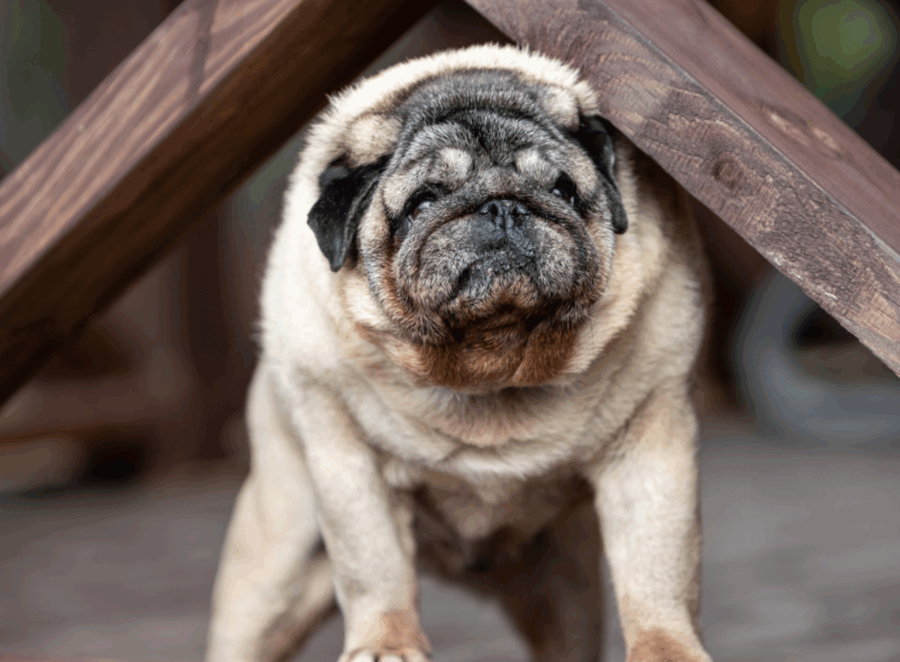
As your beloved pug enters their golden years, their dietary needs change significantly. Adjusting your senior pug’s diet is crucial to maintaining their health, mobility, and happiness. This comprehensive guide covers everything you need to know—from nutritional requirements to common health concerns—ensuring your aging pug stays vibrant and active.
Why Adjusting Your Senior Pug’s Diet is Essential
Pugs are prone to obesity, joint issues, and digestive problems, especially as they age. A well-balanced senior pug diet can:
-
Prevent weight gain (a major concern for pugs)
-
Support joint health (reducing arthritis pain)
-
Boost digestion (senior dogs often have slower metabolisms)
-
Enhance cognitive function (preventing canine dementia)
Without proper adjustments, senior pugs may suffer from malnutrition, diabetes, or heart disease. Let’s dive into the best dietary strategies.
Key Nutritional Needs for Senior Pugs
1. Lower Calories, Higher Protein
-
Senior pugs are less active, so they need fewer calories to avoid obesity.
-
However, protein intake should remain high (25-30% of diet) to maintain muscle mass.
-
Opt for lean meats like chicken, turkey, or fish instead of fatty cuts.
2. Healthy Fats for Joint & Brain Health
-
Omega-3 fatty acids (found in fish oil) reduce inflammation and support brain function.
-
Glucosamine and chondroitin (in supplements or natural sources like bone broth) help with joint mobility.
3. Fiber for Digestive Health
-
Senior pugs often suffer from constipation or sensitive stomachs.
-
Pumpkin, sweet potatoes, and oats are excellent fiber sources.
4. Reduced Sodium & Phosphorus
-
Excess sodium strains the heart and kidneys.
-
Low-phosphorus foods help prevent kidney disease.
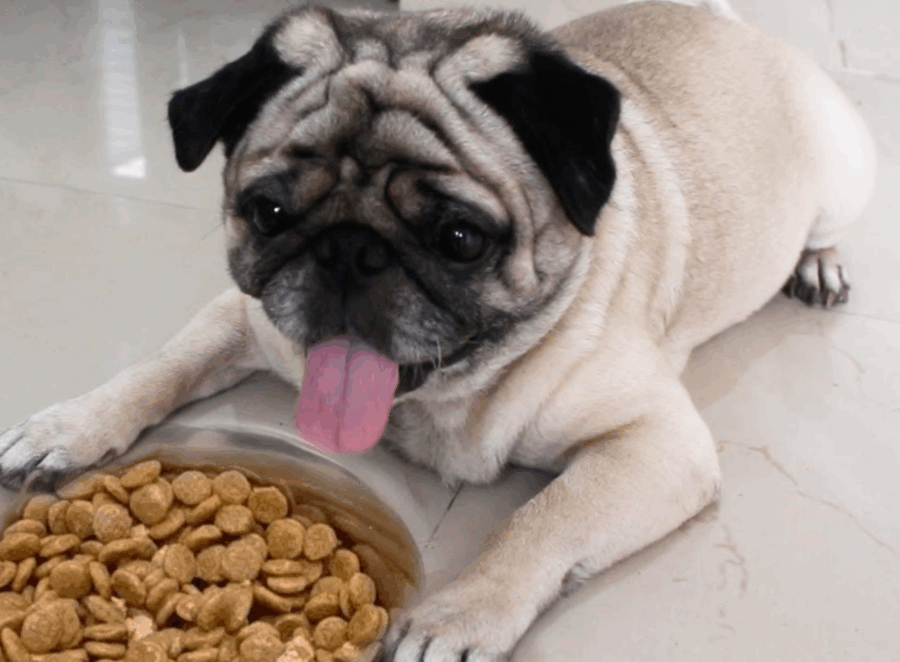
Best Foods for Senior Pugs
Commercial Senior Dog Foods
Look for brands with:
-
High-quality animal protein (first ingredient should be meat)
-
No fillers (corn, soy, artificial preservatives)
-
Added supplements (glucosamine, probiotics)
Top Recommended Brands:
-
Royal Canin Pug Adult 8+ (tailored for aging pugs)
-
Hill’s Science Diet Senior Small Bites (easy digestion)
-
Blue Buffalo Life Protection Senior (natural ingredients)
Homemade & Raw Diet Options
If you prefer homemade meals, ensure they include:
-
Lean proteins (boiled chicken, turkey)
-
Cooked vegetables (carrots, green beans)
-
Healthy grains (brown rice, quinoa)
Avoid toxic foods: Chocolate, grapes, onions, and excessive fats.
Feeding Schedule & Portion Control
-
Divide meals into 2-3 smaller portions (helps digestion)
-
Stick to a routine (senior pugs thrive on consistency)
-
Monitor weight monthly (adjust portions if gaining/losing)
Ideal Daily Caloric Intake:
| Weight (lbs) | Calories/Day |
|---|---|
| 10-15 lbs | 250-350 kcal |
| 15-20 lbs | 350-450 kcal |
Common Health Issues & Dietary Fixes
1. Obesity
-
Problem: Pugs love food but burn fewer calories as they age.
-
Solution: Switch to weight-management kibble and limit treats.
2. Arthritis & Joint Pain
-
Problem: Stiffness and difficulty moving.
-
Solution: Add fish oil, turmeric, or joint supplements.
3. Dental Issues
-
Problem: Tooth decay makes chewing hard kibble painful.
-
Solution: Switch to soft wet food or soaked kibble.
4. Kidney Disease
-
Problem: Common in senior dogs due to high phosphorus intake.
-
Solution: Feed low-phosphorus, high-moisture foods.
Hydration: The Overlooked Key to Senior Pug Health
Older pugs are prone to dehydration, which worsens kidney and digestive issues.
-
Always provide fresh water (change it twice daily).
-
Add bone broth (encourages drinking and adds nutrients).
-
Wet food helps (contains 70-80% moisture).
Supplements for Senior Pugs
-
Probiotics – Improve gut health.
-
CBD oil – Reduces anxiety and joint pain.
-
Multivitamins – Fill nutritional gaps.
Final Tips for Adjusting Your Senior Pug’s Diet
Consult your vet before making major changes.
Transition slowly (mix old and new food over 7-10 days).
Watch for allergies (itching, vomiting, diarrhea).
Keep treats healthy (carrot sticks, blueberries).
Conclusion: A Well-Balanced Diet Extends Your Pug’s Life
Adjusting your senior pug’s diet isn’t just about feeding them less—it’s about feeding them smarter. With the right balance of protein, fiber, and supplements, your aging pug can enjoy more energy, fewer health issues, and a happier life.
Pro Tip: Bookmark this guide and revisit it every 6 months—your pug’s needs will keep evolving!
By following these steps, you’re not just feeding your pug—you’re giving them the best golden years possible.